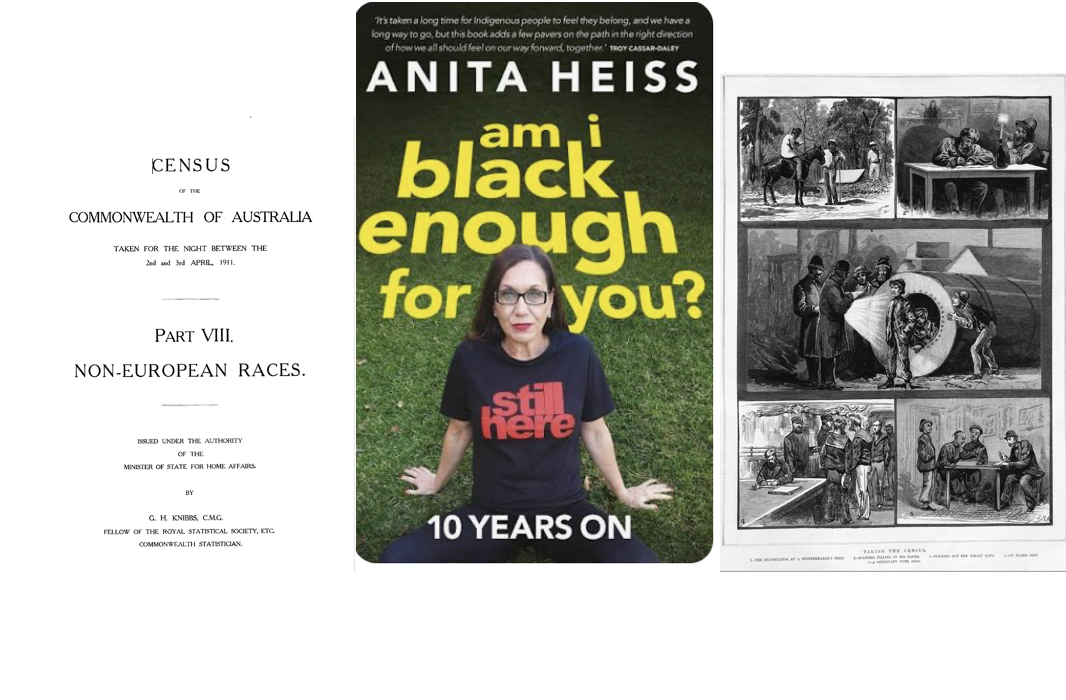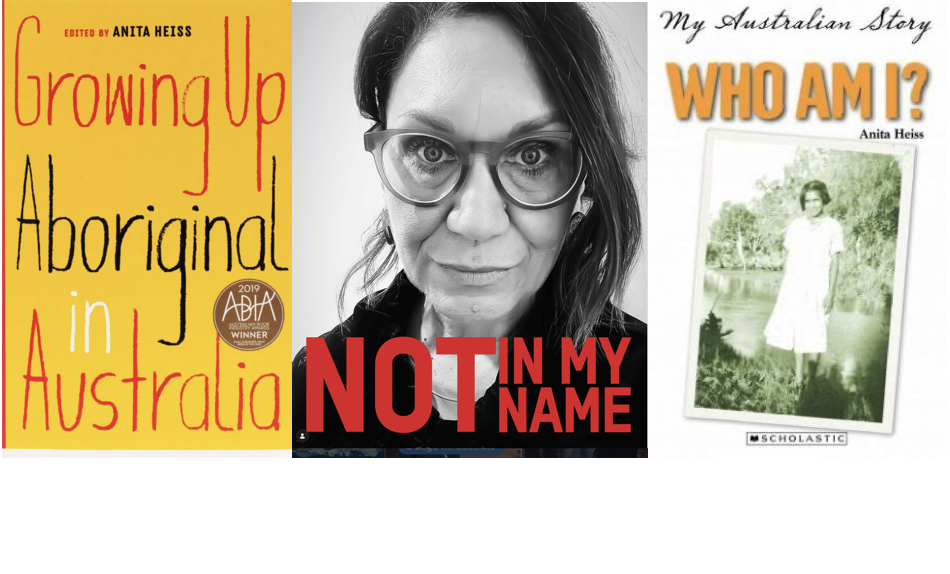
Systemic Racism & Anita Heiss' Writing as a Political Tool
Posted 11 July 2026
This is Part 2 in our series, We need to Talk About Anita (see Part 1 here).
In this post, I want to explore two of the main disappointments I find with the commentary and literary work of Dr Anita Heiss and, to some extent, that of her late mother, Mrs Elsie Heiss.
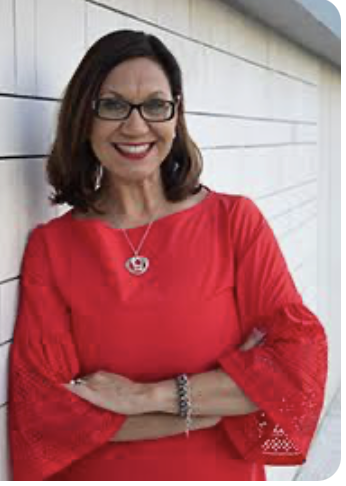
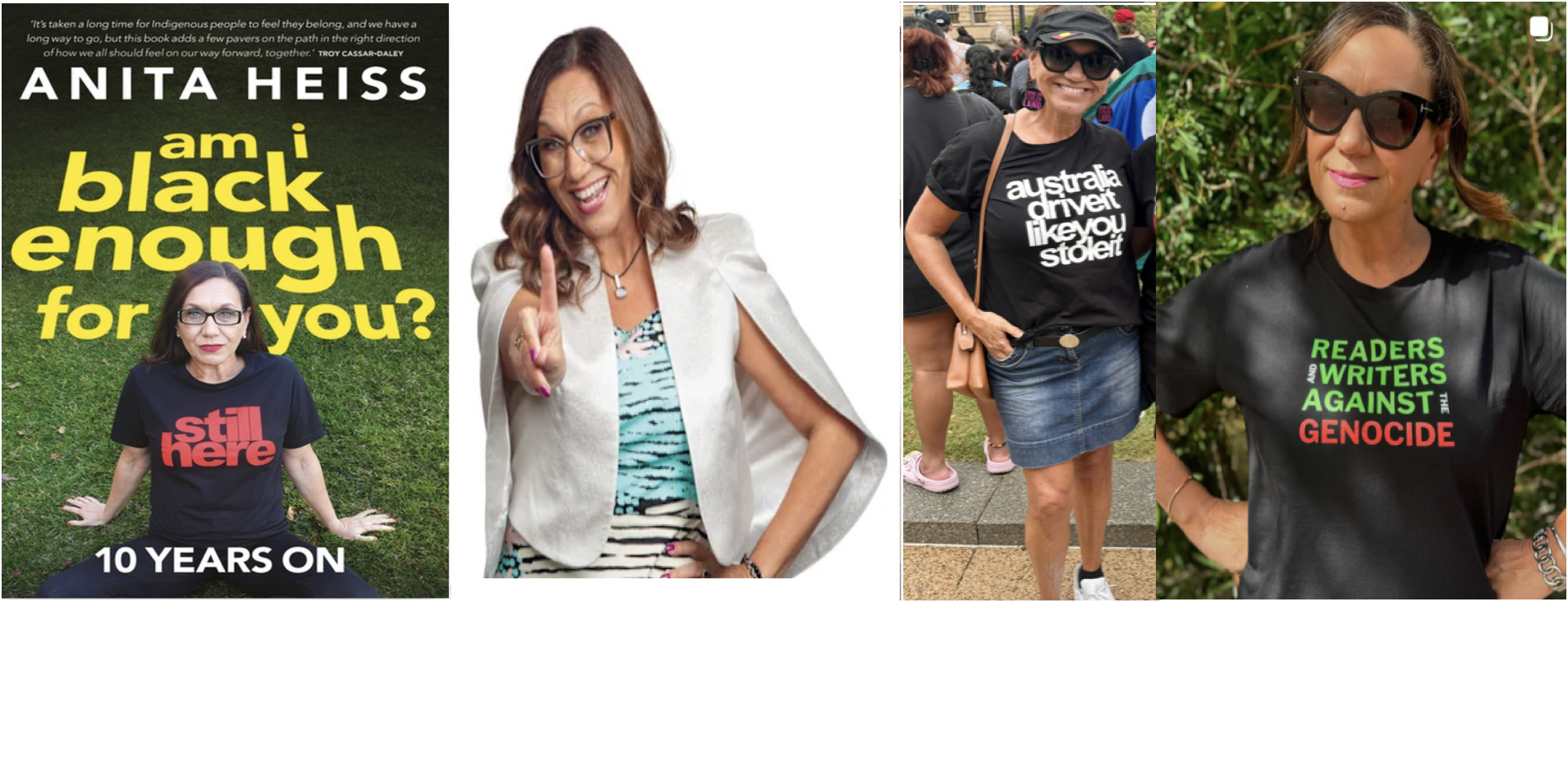
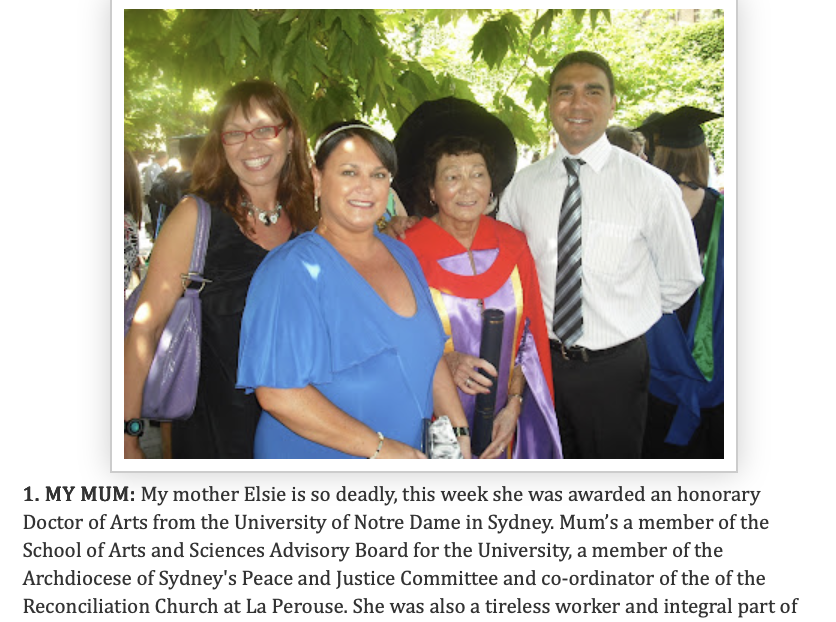
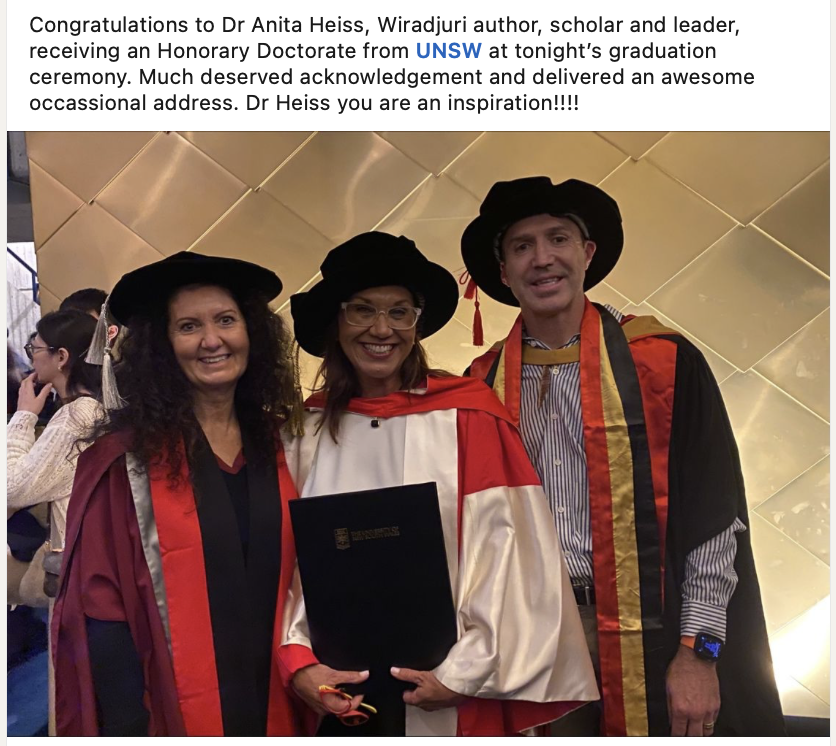
Figure 1 - Dr Anita Heiss. Source
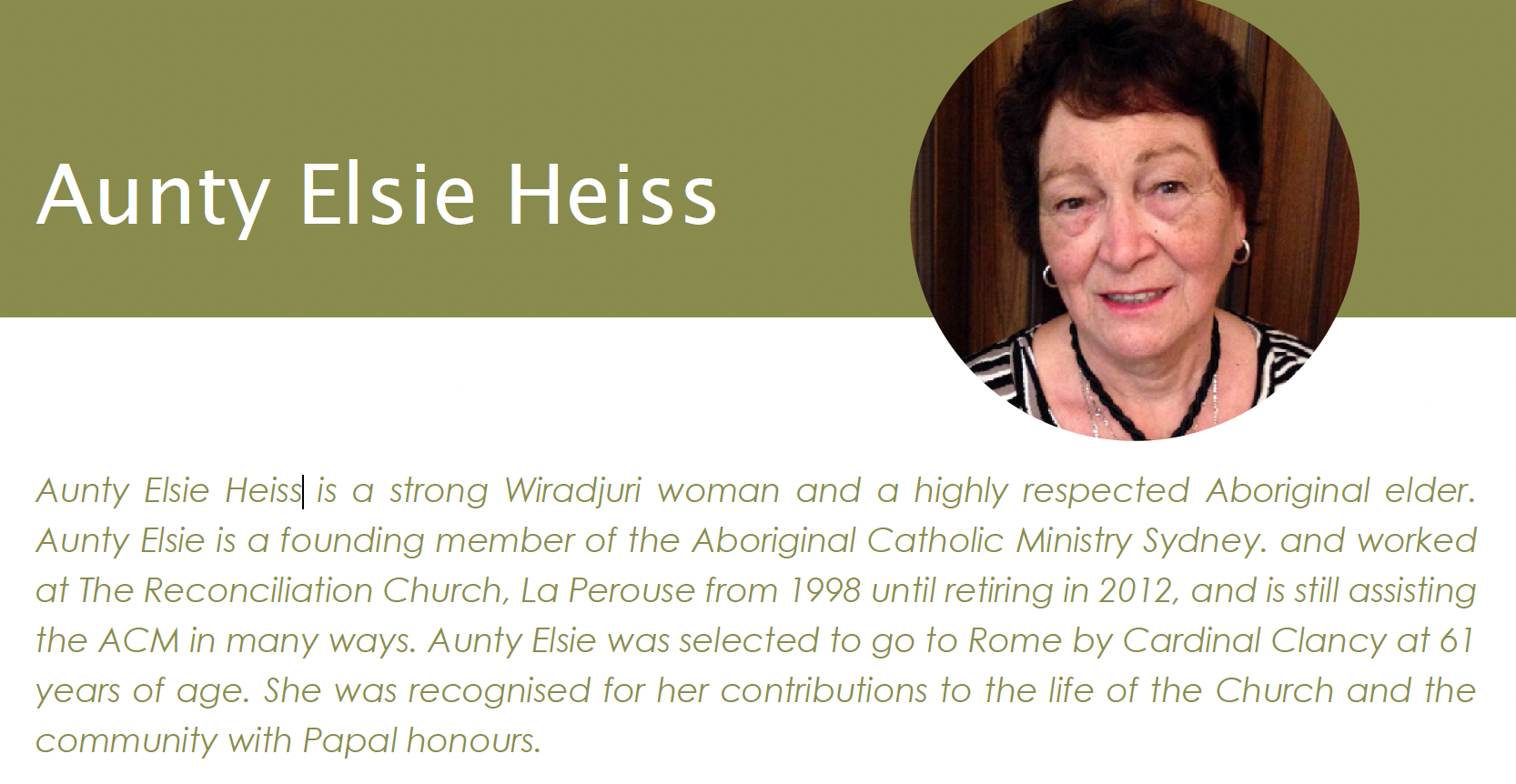
Figure 2 - Mr Elsie Heiss. Source: Aboriginal Spirituality Student Resource for Catholic Schools NSW, 2020
The first concerns their interpretations of the Aboriginal child welfare policies in NSW in the early 1900s, leading to what they call the Stolen Generations.
The second concerns the cavalier way they racialise much of their commentary, without apparently understanding the corrosive and divisive effect this can have on all of us as Australian citizens.
1 - The Stolen Generations and The Heiss Family
Anita Heiss and her mother Elsie, in my opinion, have both propagated a number of myths and misinformation when discussing the NSW government’s Aboriginal child protection policies from the early twentieth century - what they and many other commentators politically weaponise, and describe as, the ‘Stolen Generations.’
They have used the life details of Elsie’s mother, Amy Williams (nee Tallance), Anita’s grandmother, as way of supporting the narrative that Aboriginal people have suffered a life of ‘indignity and degradation’ (see Figure 3). They have also claimed in a newspaper interview that, in their opinion, Amy ‘missed out’ on her Aboriginal culture by being removed from her mother and institutionalised in a girls home:
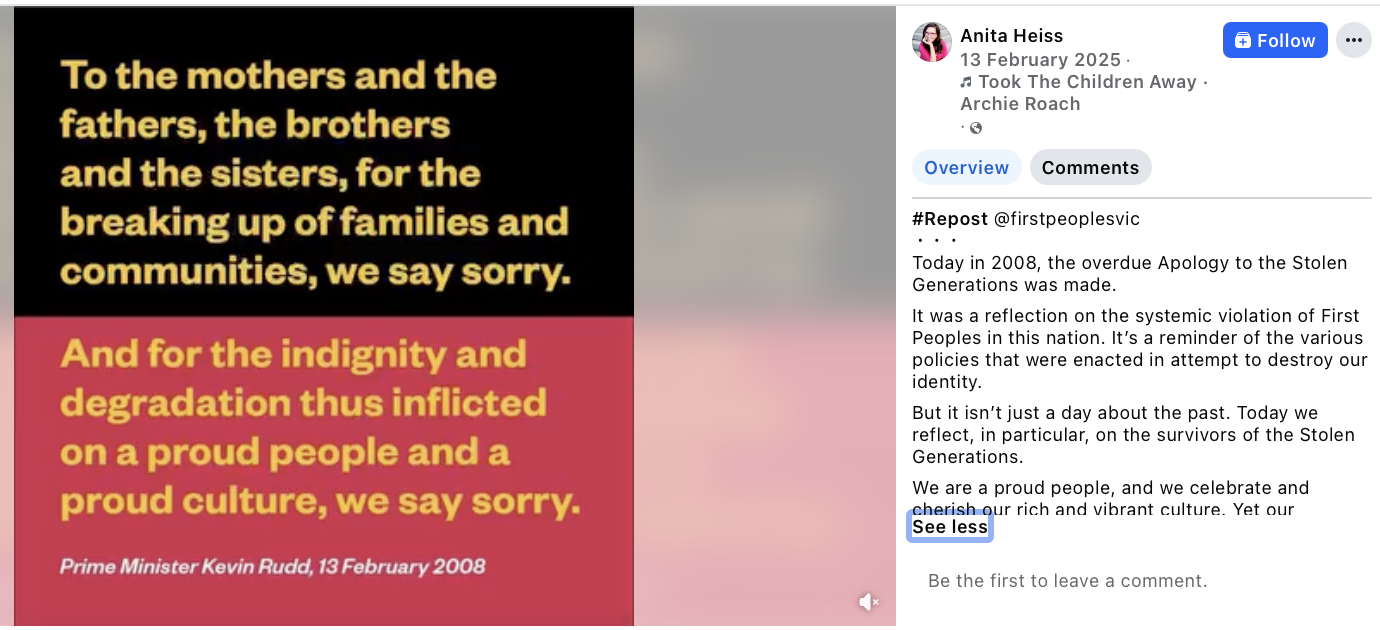
Figure 3 - Facebook Post by Dr Heiss in 2025. Source: Facebook Post
The Daily Telegraph, 21 May 2013:
Aboriginal Elder Aunty Elsie Heiss reminds the community of the Stolen Generations
Respected La Perouse Aboriginal Elder Aunty Elsie Heiss has joined the call for action to ensure the stories of the Stolen Generations are not lost.
Mrs Heiss has dedicated her life to keeping the history of the Stolen Generations alive and she is calling for support before the memories are gone.
Mrs Heiss is a passionate storyteller, who visits schools to talk about her culture and how her mother and aunty were part of the Stolen Generations - they were removed in 1910, five years before Australia enshrined its notorious policies of child removal in legislation.
"I'm the last one left in my family. It's up to me to tell my children and grandchildren the story of what happened to their great-great grandmother and ancestors," she said.
Mrs Heiss' daughter, Dr Anita Heiss, is the author of the historical novel My Australian Story - Who Am I?. "Just as we share stories of the Anzacs, the gold rushes and the women's movement, we must engage with stories of the Stolen Generations, for they are also an important part of the complete story of our nation," Dr Heiss said.
Her grandmother, Amy Tallance was five when she was removed from her mother, separated from her sister and taken to Cootamundra Training Home for Aboriginal Girls.
"Half those kids at the institution didn't know who they were; my mum's name was changed three times," Mrs Heiss said.
Baptised a Catholic, Ms Tallance, at age 11, was taken to the Catholic orphanage, the Home of the Good Shepherd, in Ashfield.
"Mum didn't even know she was an Aboriginal at this point; she didn't know who she was," Mrs Heiss said.
"She missed out on heritage and she missed out on any spiritual connection to the land."
Mrs Heiss' father, James Williams, reconnected Ms Tallance with her mother and re-introduced her to her culture.
The 1997 Bringing Them Home report found that up to 33 per cent of the Aboriginal children were removed from their families between 1910 and 1970. In 2008 the Australian Parliament apologised to the Stolen Generations, who were taken away from their families.
by Laura Suckling, Aboriginal Elder Aunty Elsie Heiss reminds the community of the Stolen Generations, Daily Telegraph, 21 May 2013
Now of course there are many heart-rendering stories of family separation, forced adoptions and apprenticeships, abuse, pain and hurt in some of the Aboriginal families that fell under the control of the Aboriginal Protection policies from 1909 in NSW (Read:1984); but the Heisses never provide enough detail of the lives of Amy Tallance, her sister Florence, nor their mother, for readers to be fully convinced that the Heiss (Tallance) family had it any worse than many other Australian families at that time.
In fact, they never appear to acknowledge that Amy and her mother Minnie Tunwell/Tallance may have exercised some of their own agency in the direction that their lives took. (Figure 4). As will be detailed in later posts in this series, it wasn’t solely the Aborigines Protection Board that directed and controlled Amy’s life.
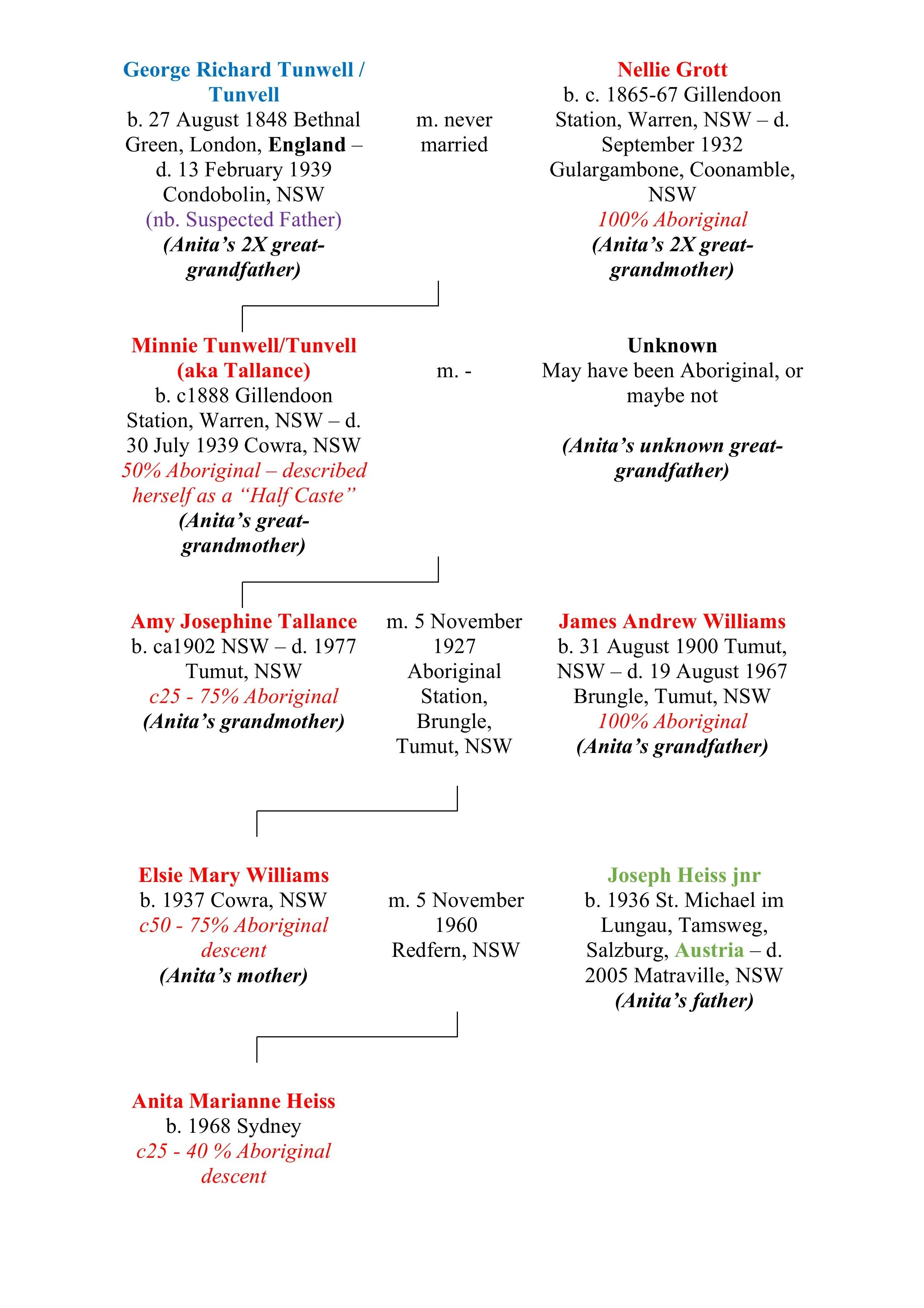
Figure 4 - Extract of one branch in the Apparent Family Tree of Anita Heiss. See Source and Disclaimer below in Note1
Anita and her mother also do not seem to appreciate that many more NSW families, who were not of any Aboriginal decent, were just as affected by similar legislated ‘forced’ adoptions and child welfare policies as they were.
Life could be tough for a lot of families in NSW during these times and the official statistics indicate that Aboriginal families were no more effected than any other families with regard to child welfare removals. For example, as recorded in the Bringing Them Home Report,
‘… historian Peter Read used official records to number Indigenous children removed in New South Wales between 1883 and 1969 at 5,625…’ (Report:1997, p30).
Yet, this estimate of 5,625 Aboriginal child removals, over an 86 year period in NSW, represents about 3% of the number of 188,170 for all children under institutional care in NSW over a different, but similar, 83 year period (Figure 5).
The Aboriginal population is about 3% of NSW’s total population so these child institutional figures are equivalent on a pro-rata population basis. This suggests that Aboriginal children were no more, or no less, likely to be removed for child welfare reasons than any other children in NSW.
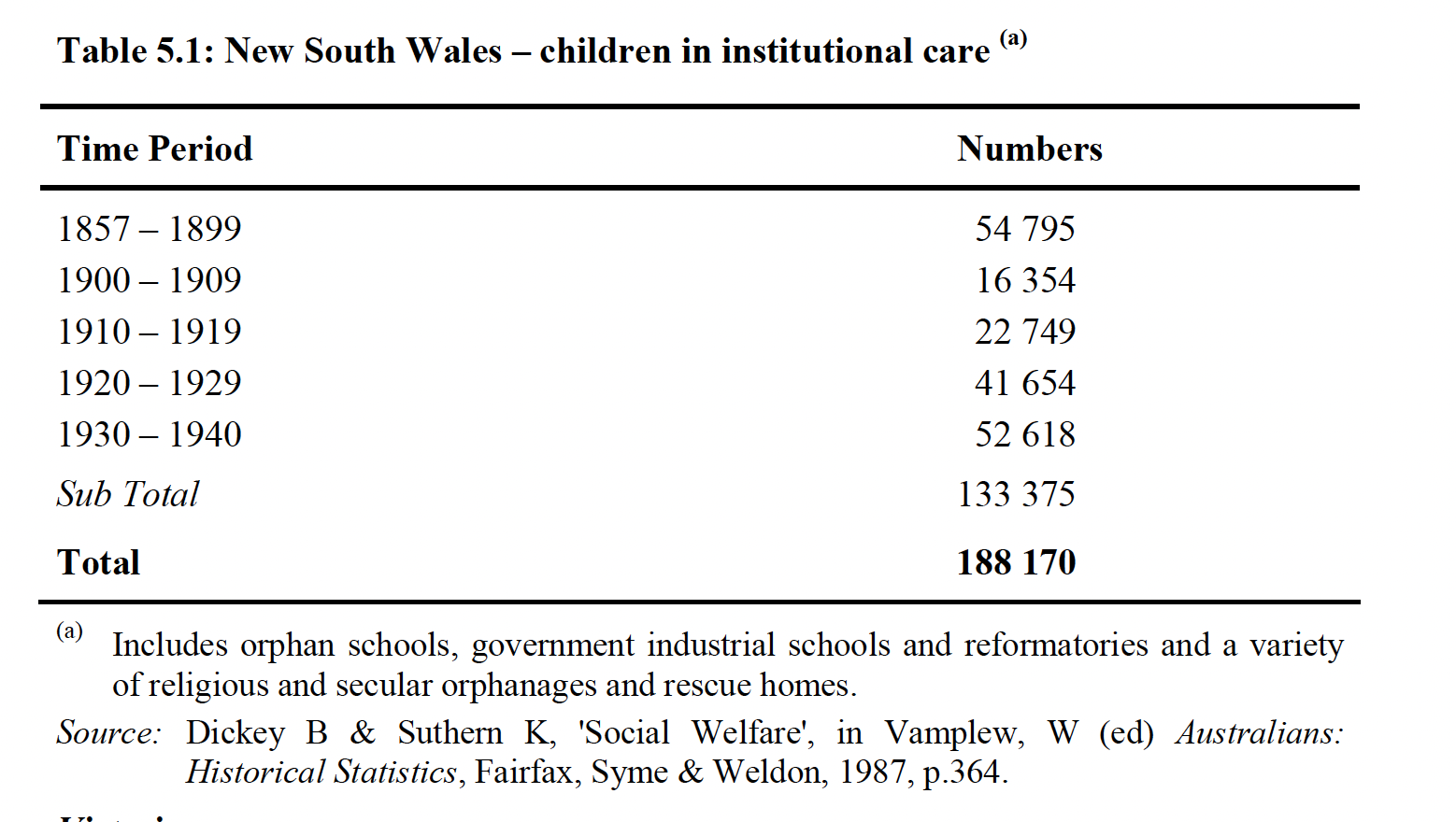
Figure 5 - Notes: Authorities provided the figure of 135 000 state wards in NSW between 1883 - 2001, comprising: 60,000 in period 1883 to 1936, and 75,000 in period 1936 to 2001, and approximately 100 000 from the beginning of the 20th century to 1975. The subtotal above shows that there were 133,375 children in institutions in NSW from only 1900 to 1940, although this was said to involve a degree of double counting. Numbers from 1940-2000 could easily be double this number. Source: Senate:2004, p385-6
The writings of Dr Heiss and her mother give the impression that only Aboriginal children were uniquely put under the control of the government welfare agencies. This is not correct. Aboriginal children weren’t removed from families, sent to Homes or foster families just because they were Aboriginal - they were separated because they were deemed in need of government sponsored guidance, welfare and help in integrating into the work-force and the broader society.
The story of the Heiss (Tallance) family may have been via a different path through the bureaucracy under the control of the Aborigines Protection Board, but it was not really that different from the path of the non-Aboriginal descent children, who were neglected or in need of government control or support.
1.1 What Were The Policies of the NSW Aborigines Protection Board?
An example of the misinformation, I believe, contained within the writings of Dr Anita Heiss is exemplified by the ‘Historical Note’ chapter contained within her book for pre-teens, Who Am I?.
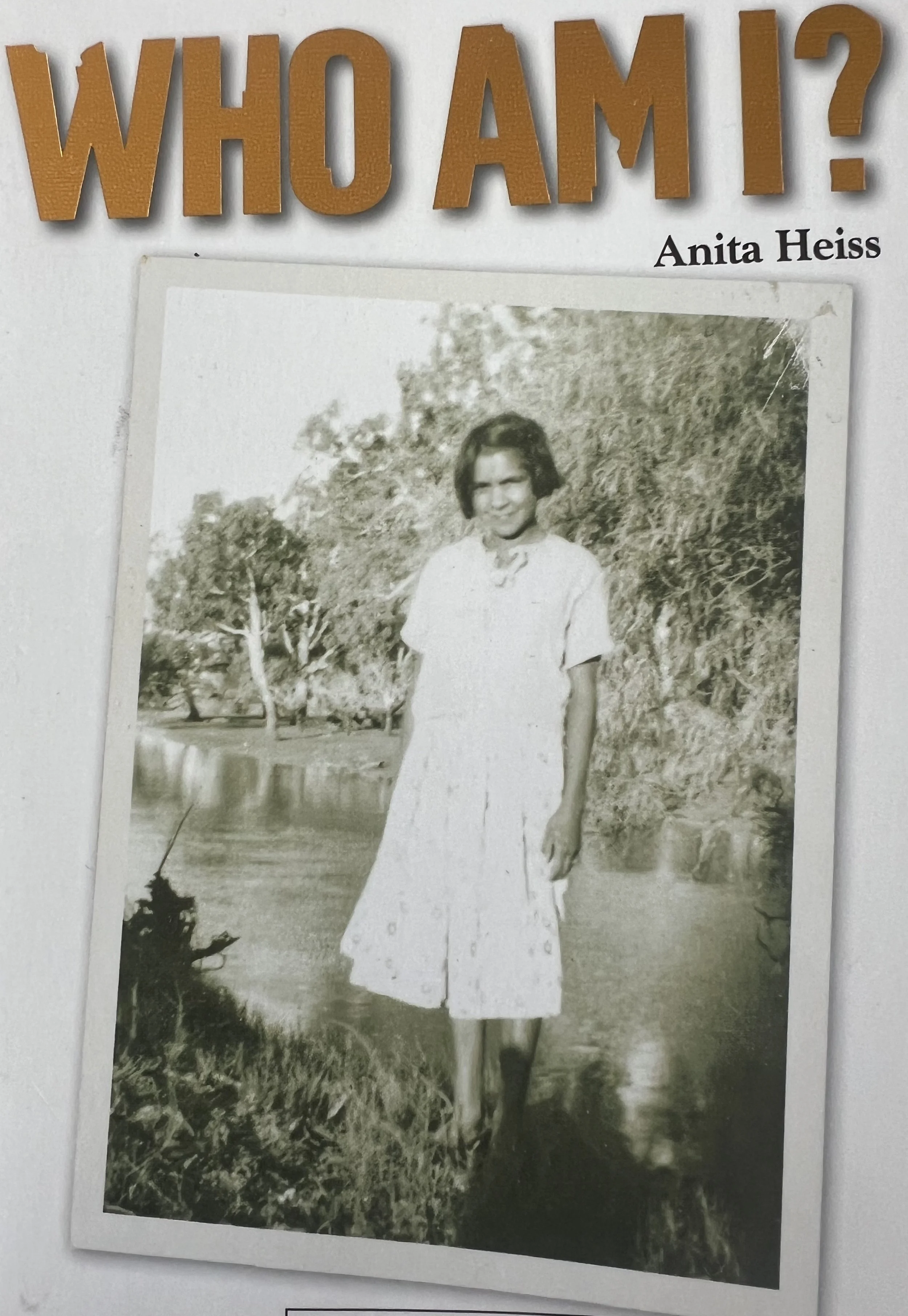
Figure 6 - Photograph of an un-named young girl as a prompt for readers as to how Amy Tallance may have looked as an adolescent during her time under the Aborigines Protection Board. Source
This book is in the genre of historical-fiction and is loosely based on the life of her grandmother, Amy Tallance. (Figure 6).
However, reading Dr Heiss’ version of ‘history’ (Figures 7A,B &C) brings to mind the cautionary note of Professor Marcia Langton AO, as reported in The Australian:
Distinguished academic Marcia Langton has warned against “scaring the living daylights” out of children when teaching the history of violence against indigenous people. The prominent indigenous anthropologist and geographer expressed concern … that “the culture of complaint” had contributed to an overly pessimistic view of Aboriginal and Torres Strait Islander Australians …
“We don’t want to scare the living daylights out of children by presenting material in such a way that it makes children suffer in the classroom. We must not do that,” she said. “We need training to present our work in such a way that it’s persuasive and people will read it.
“This is a difficult exercise, we must be cautious (in) how we speak to other Australians. “If all we do is express rage and anger and demand justice it’s not persuasive we have a responsibility to do so much more.
Paige Taylor, Indigenous study ‘scaring kids’, says Marcia Langton, The Australian, 26 Sept 2019.
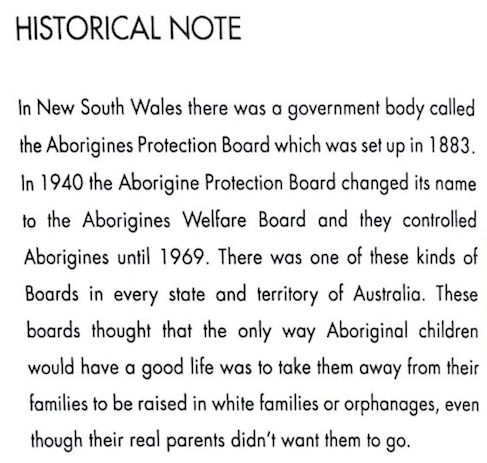
Figures 7A,B & C - Extract from the Historical Note chapter of Anita Heiss’, Who Am I? , a pre-teen historical fiction book loosely based on the life of her grandmother, Amy Tallance.
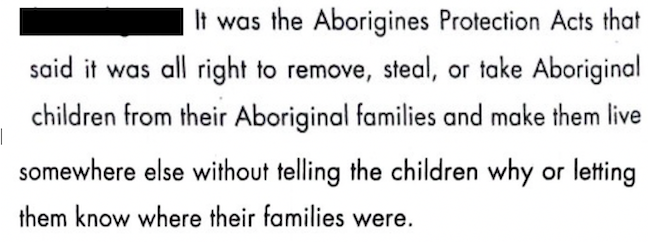
Figures 7B
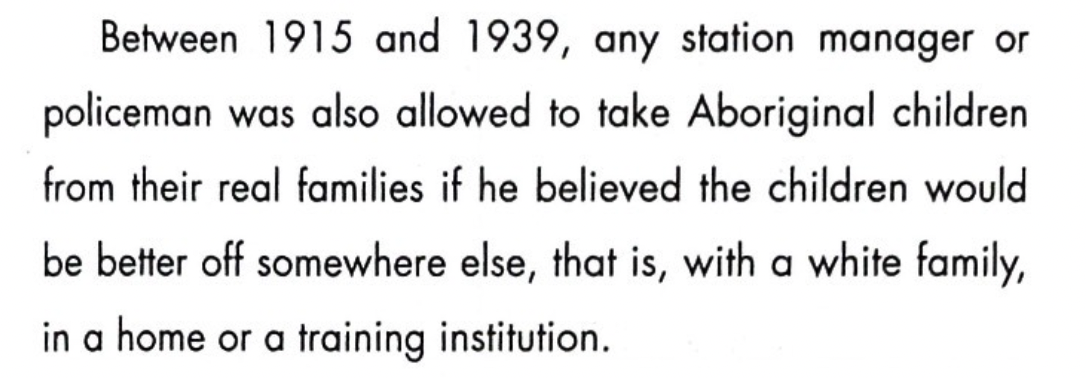
Figures 7C
In reading this historical note of Dr Heiss, pre-teenage children are led to believe that Aboriginal children were routinely “stolen” by “any policeman” and taken away from their families. Any parent or educator should be reminded of Professor Langton’s warning:
“We don’t want to scare the living daylights out of children by presenting material in such a way that it makes children suffer in the classroom.“
Besides Dr Heiss’ historical note being totally irresponsible in creating anxiety in her young readers, the narrative she creates is full of misinformation and errors. For example, on page 2 of the 1911 NSW Aborigines Protection Board Report, it is recorded that there were 503 ‘full-blood’ Aboriginal children and 2,836 ‘half-caste’ children on the reserves. The institutional homes had not yet been established so pretty much all of these children were still living on the reserves with one or more parent, or within their extended family network.
There is no evidence in this report to support Dr Heiss’ claim that the Board in 1911 believed that “the only way Aboriginal children would have a good life would be to take them away from their families.”
The Report only refers to the Board’s aim to have every Aboriginal child under 14 attending school (Figure 8) and, from the ages 14 to 21, to be undertaking an apprenticeship, which by necessity would most likely mean the child had to leave to reserve and their family, unless the family made its own arrangements with a locally based apprenticeship (Figure 9).
Dr Hiess should particularly note the Board’s comment in Figure 8 regarding its ‘control’ over the apprentices, such as her grandmother Amy Tallance. The Board’s position is that its powers are ‘not as wide as they might be’ and they do not want to ‘unduly interfere’ in the families. This hardly warrants the sensational and ‘scary’ claims made by Dr Heiss in her historical note (Figures 7).
And why would Dr Heiss disagree with these educational and welfare policies enunciated by the Board in 1911? They were aimed at giving all part-Aboriginal children an education and training to allow them to integrate into the wider Australian community. Indeed, Dr Heiss and her mother are the very successful, living embodiments of the end results of those policies formulated way back in 1911.
If Dr Heiss doesn’t like the way her family’s life has turned out, can she point to another country’s policies that would have been more appropriate and provided a better outcome?
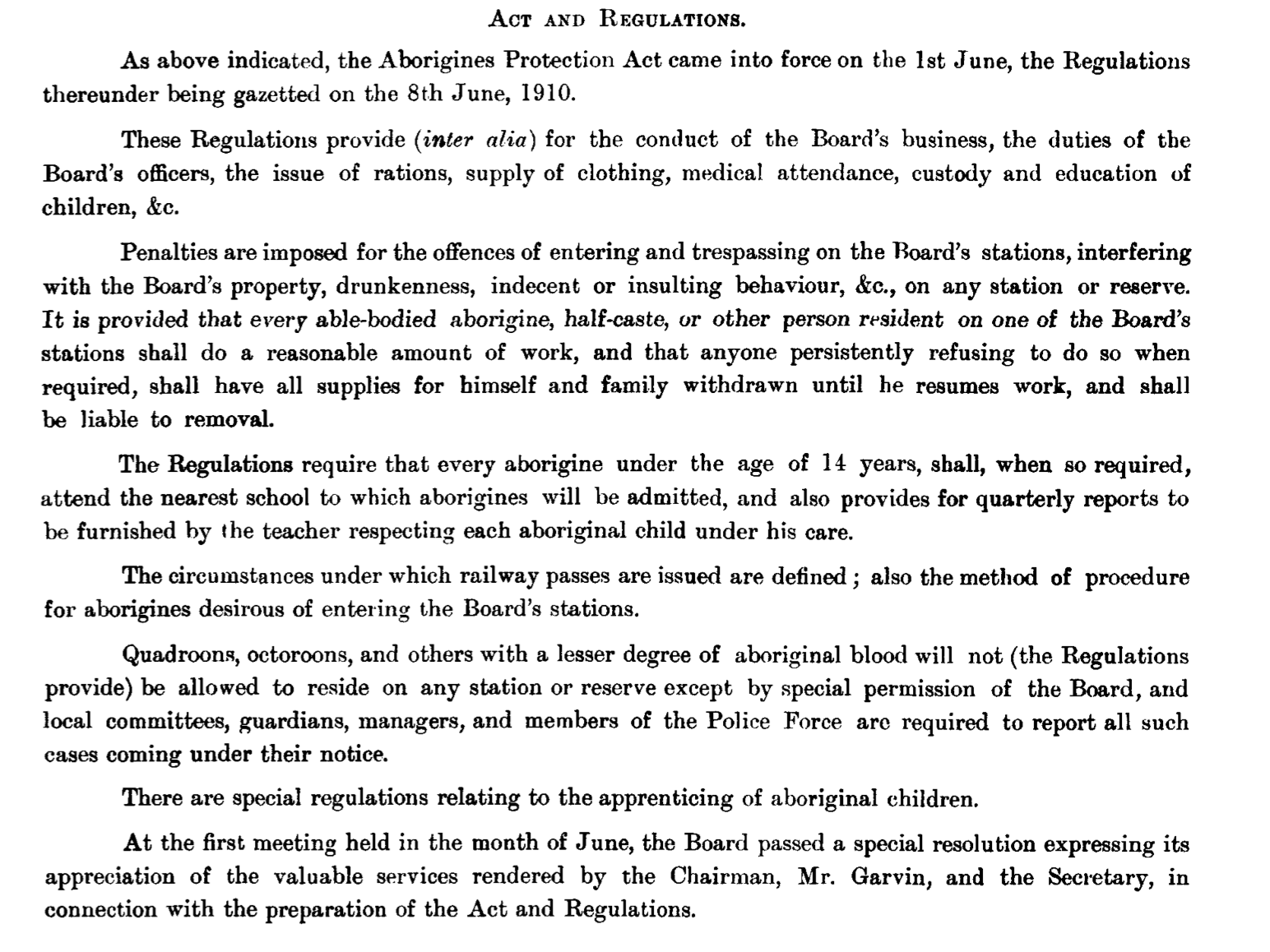
Figure 8 - Extract from the 1911 NSW Aborigines Protection Board Report covering the reserves where Dr Hiess’ grandparents lived in 1910. Source, p3
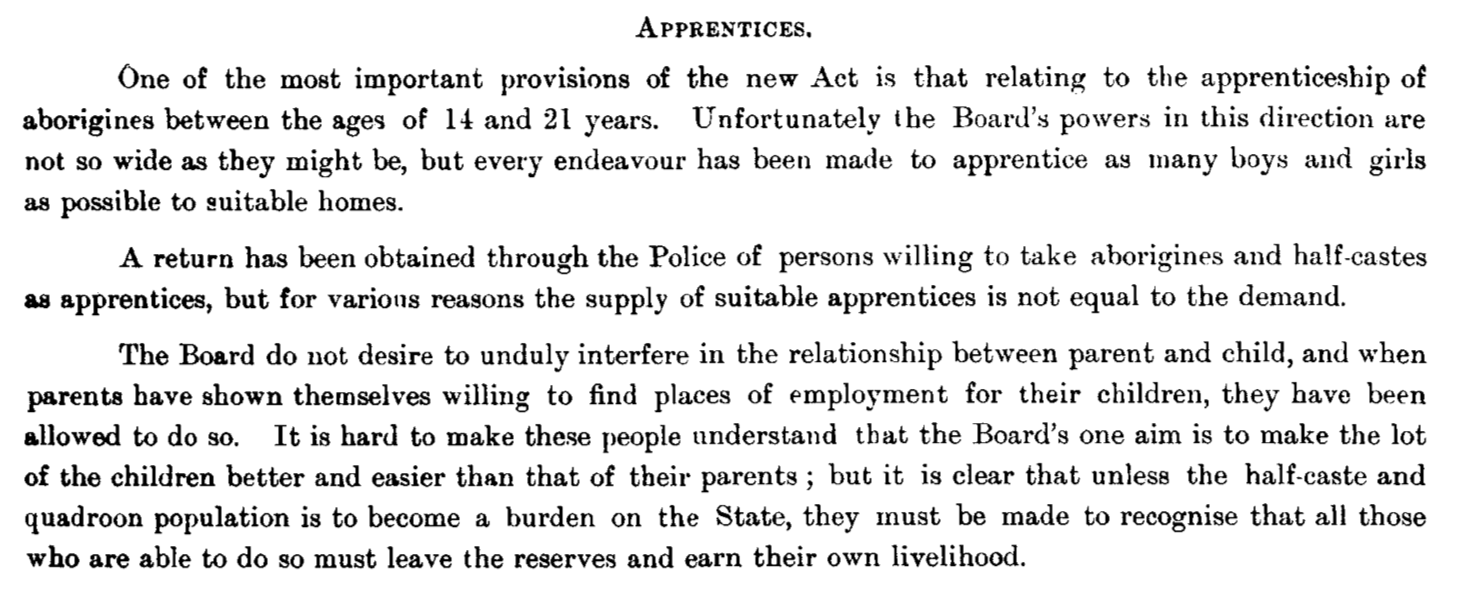
Figure 9 - Extract regarding Apprenticeships from the 1911 NSW Aborigines Protection Board Report covering the reserves where Dr Heiss’ grandparents lived in 1910. Source, p4
1.2 - The Progress of the Williams/Heiss Aboriginal Family
The real sadness to this part of family story of Mrs Elsie Heiss (nee Williams) and her daughter Anita is not over any of the hardships the family, along with most other Australians, undoubtably suffered in the past, but rather the apparent total lack of those most Christian of virtues, gratitude and humility, in appreciating just how very successful they are as a family today largely due to the very policies of the Aboriginal Protection and Welfare Boards that they never miss an opportunity to denigrate.
Readers can perhaps view the following photographs and decide themselves if the progress of an Aboriginal family, such as the Williams/Heiss family, through the NSW Aboriginal Protection system was all that bad given the final result we see for nearly all Aboriginal people in NSW today.
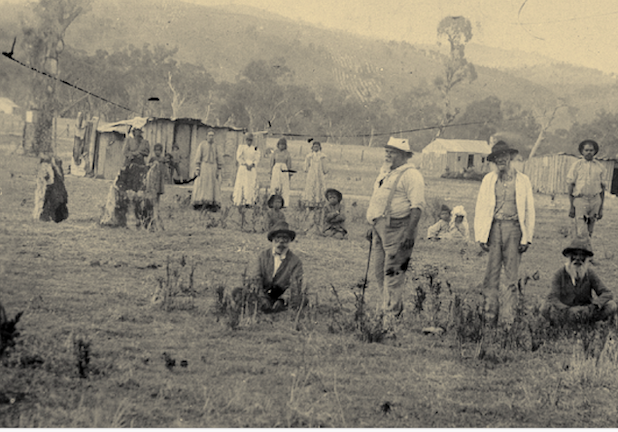
Figure 10 - The Aboriginal Station, Brungle in 1898. Members of the Williams and Tallance family were accommodated here (as explained in the next Post). This photograph is from before the introduction of the 1909 NSW Aborigines Protection Act ‘which would dominate the lives of NSW Aborigines for the next 60 years’. Source: AP112/E77812, Australian Museum Archives
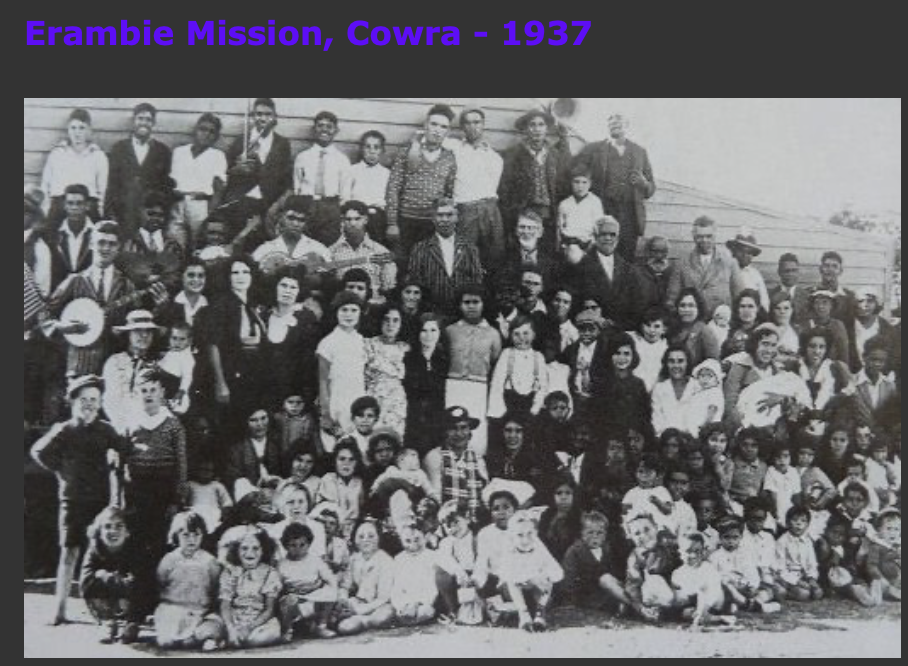
Figure 11 - Members of the Erambie Aboriginal reserve in Cowra in 1937, the birth place and birth year of Mrs Elsie Heiss (nee Williams), Anita’s mother . Clearly the health, wealth, vibrancy and opportunity in a typical Aboriginal reserve community has improved dramatically compared to a typical photograph from 40 years earlier (Figure 10). Source
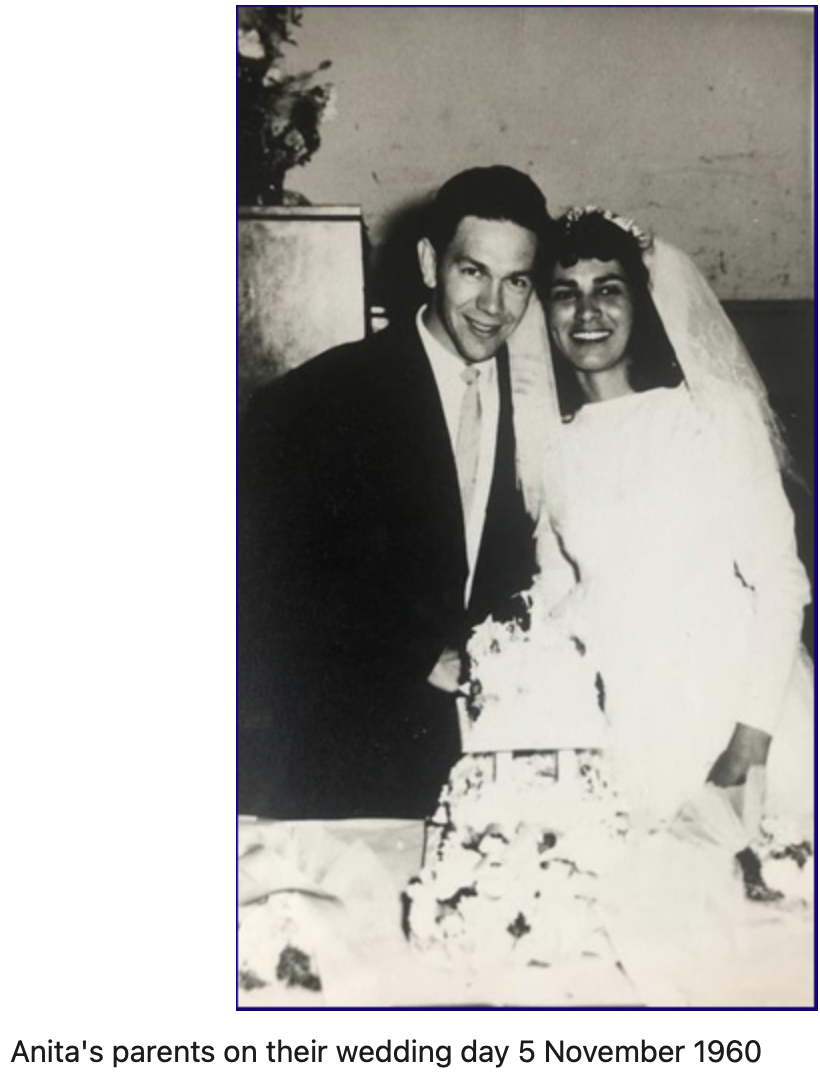
Figure 12 - Aboriginal woman Elsie Williams married New-Australian, Austrian migrant, Josef Heiss in Sydney as a ‘mixed-marriage’ with no problems at all - it was a lovely, happy and legal wedding. This is some seven years prior to when the Americans tentatively address mixed marriages in the film, ‘guess who’s coming to dinner’ (Fig 13). These marriages were still illegal in many US states. If Australia and the Australians are such a ‘racist’ people why do we see happy wedding photographs like this? How more reconciled can you be as a people? Source
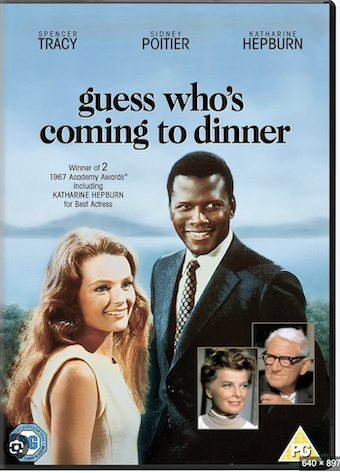
Figure 13- The film was one of the first in the US to depict an interracial marriage in a positive light, as such marriages historically had been illegal in many states of the United States. Six months before the film was released, interracial marriage was still illegal in 17 states, and filming ended shortly before anti-miscegenation laws were struck down by the Supreme Court in Loving v. Virginia on June 12, 1967. Source: Wikipedia
Sadly, it appears that Dr Anita Heiss and her mother Elsie are blind to the realities of their own family’s great success in breaking out of the poverty and dysfuction that engulfed many Australian families, like theirs, in the early twentieth century.
Instead, these two successful members of an Aboriginal family want to hitch their legacies to victimhood and slogans such as The Stolen Generations and I’m Not racist but… .
However, like all slogans, these allow for no nuance - you are either for them or against them. And how could anyone agree to the stealing of children, or be in favour of a policy that is easily smeared as racist? This unfortunately prevents many people of goodwill standing up to advocate for child removals in specific cases. Some very vulnerable Aboriginal children today are not being protected in dangerous and dysfunctional family situations when clearly the best interest of the child would be for them to have been “forcibly removed” or “stolen”.
Sadly, the political rhetoric espoused by Dr Heiss and her mother against the very same child protection welfare that saved their own ancestor, Amy Tallance, from harm, allowing her to go on to school and achieving an apprenticeship, a long marriage and motherhood, stops a five year old child like Kumanjayi Little Baby from ever embarking on a similar path in life of her own.
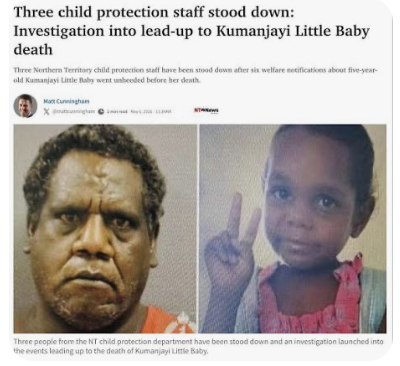
Figure 16 - See
For such a devout Catholic as Mrs Elsie Hiess, this surely must be an indictment of her own Aboriginal activist and political beliefs, as well as that of her church. It is as if the Roman Catholics have formally decided to recall Christ from remote Australia and are now content to present each other colourful awards and issue valueless statements from the comfort of the archbishop’s study.
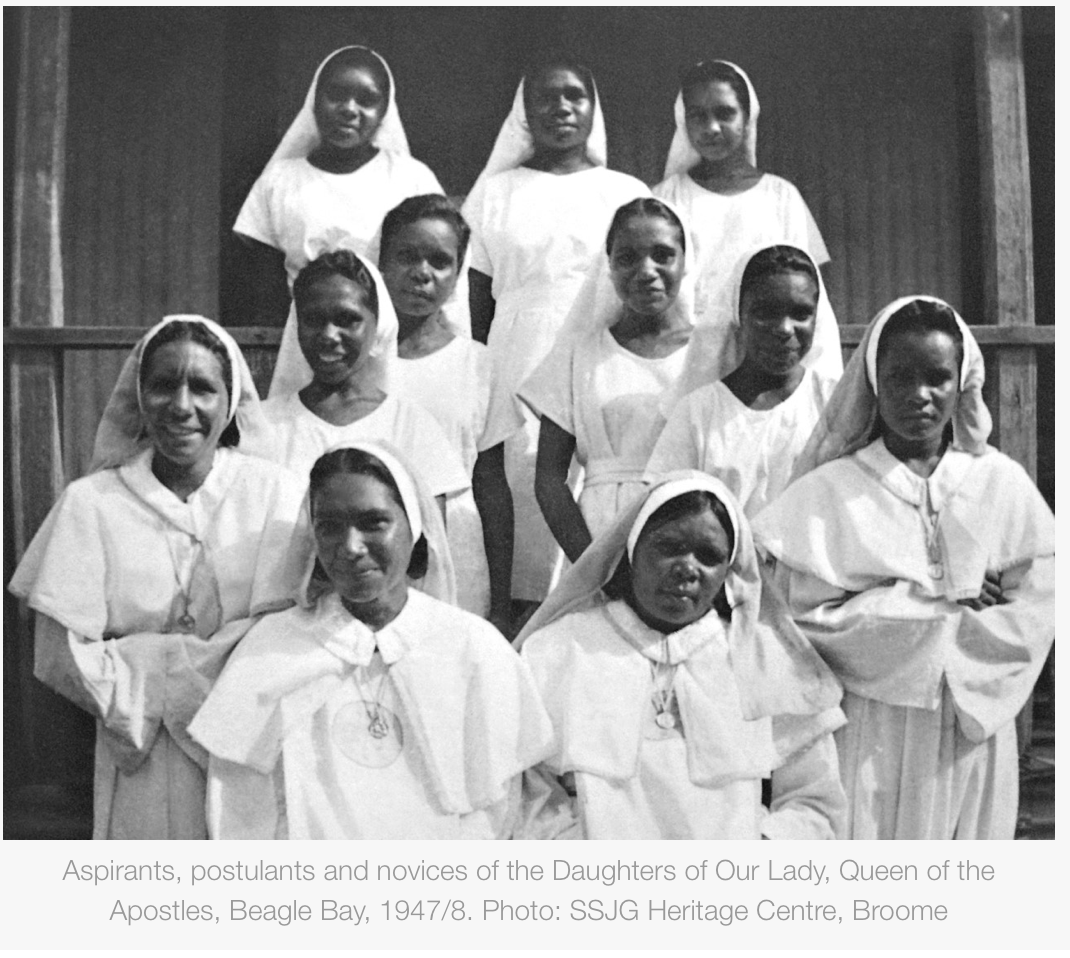
Figure 17 - When Christ and his team of Roman Catholics were on duty in 1947 in remote Australia, looking after the welfare and future of little children like Kumanjayi Little Baby. Source
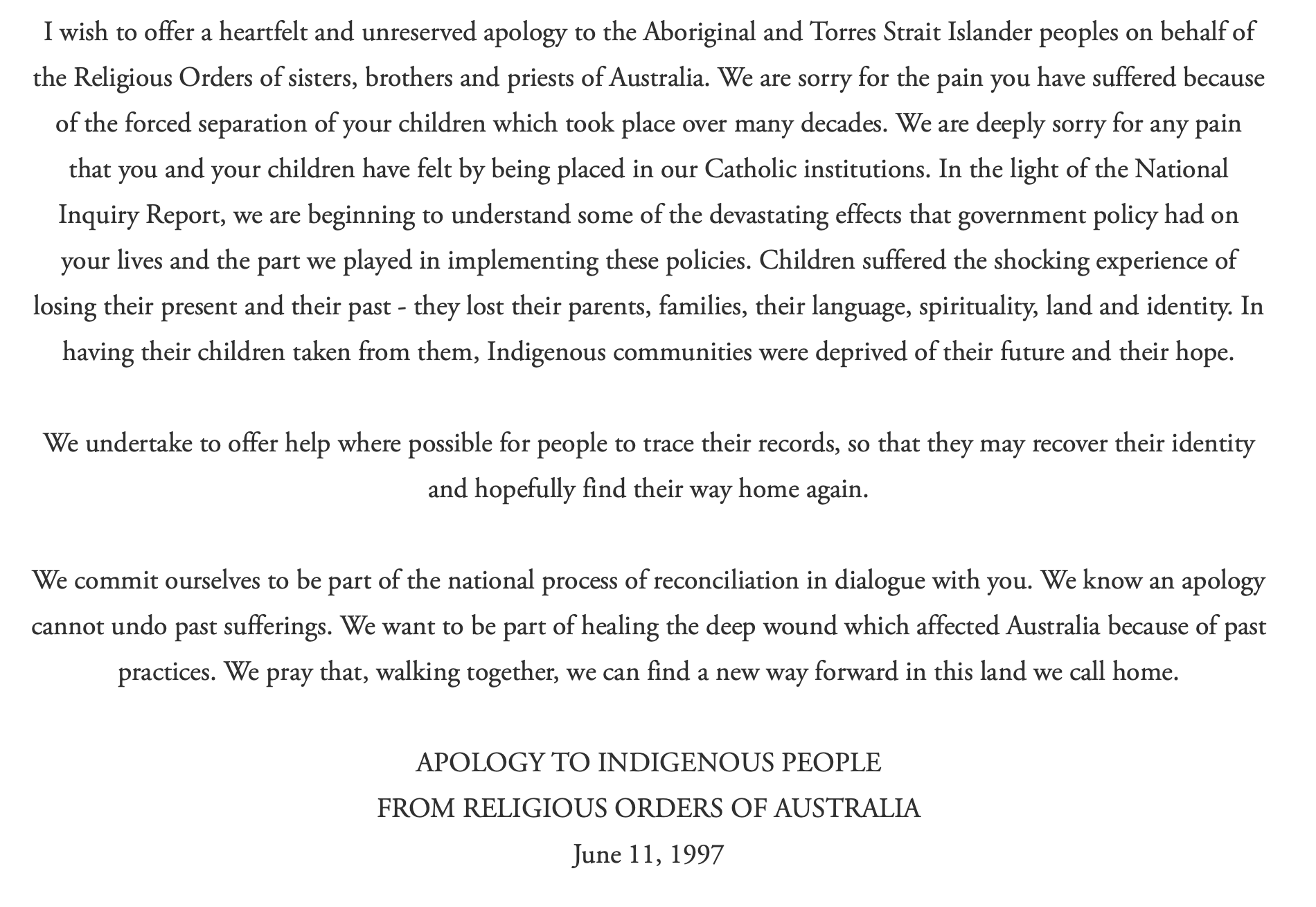
Figure 18 - Do Catholics like the Heiss family really believe this statement? Is there no place for nuance, qualification or a recognition of any of the good that the religious orders played in the welfare of Aboriginal Australians? Source
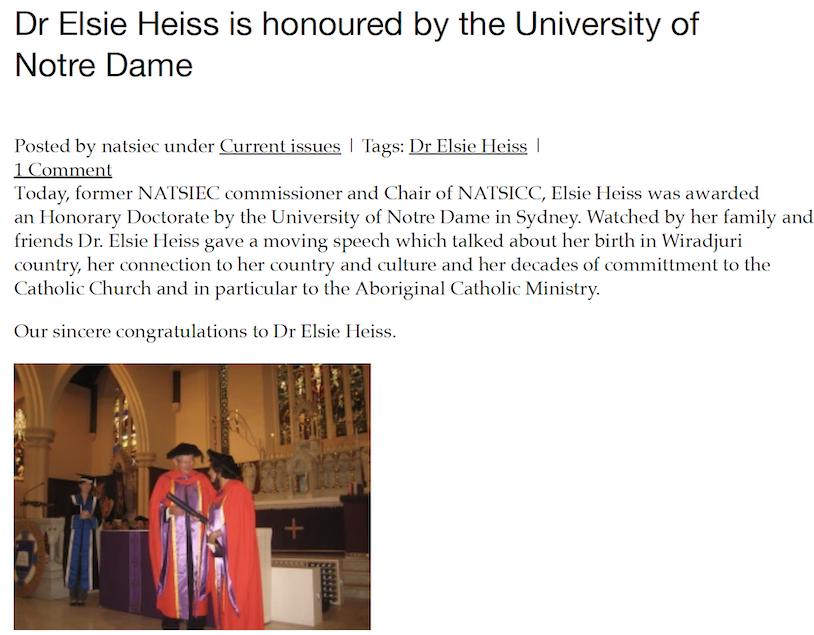
Figure 19 - Bread & Circuses, self-aggrandisement and false-compassion? Are Catholic’s today even aware of the Christian teachings regarding gratitude, self-sacrifice and humility? Source
The loss of direction by catholics is, I believe, just further evidence that the Aboriginal activist ideology espoused by writers such as Dr Heiss has captured many of our institutions, including the Catholic Church. The new politics of an Aboriginal ‘Dreamtime’, where culture and connection to Country is all, may be an ideologically-based Utopia for some, like Dr Heiss and her mother, but invariably it just turns out to be a cruel dystopia for others, such as Kumanjayi Little Baby.
More details on the life and times of Amy Tallance will be presented in the next Post in this series.
2 - The Racialisation Agenda of Dr Anita Heiss’ Commentary and Writings
The second aspect of the Heiss’ writings that I want to critique is the cavalier way they racialise their commentary without apparently understanding the corrosive and divisive seffect this can have on all of us as Australian citizens, no matter what our backgrounds or ethnicity.
Dr Heiss’ writings for pre-teens, for example, is especially concerning. She shamelessly over-emphasises ‘‘skin colour” and the relatively rare separation of children from their families. Some of her work also appears to have anti-establishment, anti-work and victimisation undertones that in no way helps to prepare and fortify children for their path through life.
Both Dr Heiss and her mother appear to be blind to the hypocrisies evident in their writing, given that they are both highly successful products of the very Aboriginal Protection Board welfare system that transformed the lives of their parents and grandparents, but which they now strongly condemn.
Dr Heiss is quite open about her life and writing revolving around race politics and she openly identifies her political enemies as white Australians:
‘… when I was born, the doctor didn’t slap me on the arse and say, Congratulations, Mr and Mrs Heiss, you have a bouncing baby Aborigine.' No, he said, Congratulations, you have a bouncing baby girl. My parents created that little girl, and in many respects whitefellas created the politicised Aborigine’ I am today, because I realise now that everything I have become in terms of my writing and advocacy has been in reaction to what other people perceive me to be. I have long reacted to racist comments I have heard personally or that have been directed at me, and in my writing responded to racial stereotyping. I was formed as a political being in the 1970s, a time when racism was so heavily entrenched in the Australian vernacular and humour that it was considered normal or acceptable.’ (Heiss:2012, p69)
A decade or so later she is now quite happy to appear on a podium at a writer’s festival in India and proclaim: Why I'm No Longer Talking to White People About Race: Anita Heiss
Nor is she backward in coming forward to give advice to ‘white people’, as she told the Sydney Morning Herald after being asked, “So, what does Reconciliation Week mean to her?”
"More work. The heavy lifting on reconciliation should be done by white people but I can tell you, it's done by us."
Her publisher, Allen & Unwin is also supportive of her overt use of race activism and her Aboriginal writing and literature as a political tool (Figure 20 and Video)
Figure 20
Dr Anita Heiss admits to using her Aboriginal writings as a political tool:
“I write obviously in the coloniser tongue, and I still enjoy that writing. For me it's sort of um, I enjoy it because I'm writing I'm using the coloniser’s language to write about what they have done to us and then that written piece about assimilation or colonisation or attempted genocide or the struggle for survival ,which is all in the anthology ,then goes back to the UK for readers over there to read; so to me there's some sense of joy in that.”
- (See video above)
2.1 Further Examples of the Racialized Undertones of Dr Heiss’ Writing
In her book for pre-teens, Who Am I?, Dr Heiss educates her young readers in systemic racism by treating them to a master-class in classifying people according to their skin colour:
‘by the time they are ten years old [the girls and boys] have to leave for [the Homes]. That’s the really dark kids though. The light-skinned ones, they go to orphanages…’ (p1)
‘…it’s much easier for them to fit into white families…’ (p2)
‘I’ve got light-brown skin and Matron calls me her “coffee-coloured princess”. (p2)
‘We sometimes have to line up from the darkest to the lightest, so they know which ones have to go to which homes, and who can be fostered to white families’. (p2)
And so goes the book, page after page, reinforcing systemic racism.
But did Dr Heiss actually find evidence to support putting any of these words into the mouth of her 10-year of protagonist, Mary Tallance? Is this dialogue based on any reality, or is the author simply promoting race hatred? And even if there was evidence of skin-colour bias in, say, the 1930s what possible benefit could there be in re-introducing this classification consciousness into the minds of 10 year old Australian children in 2026, given that the average school in multi-ethnic Australia today has children with skin colours over the whole spectrum, from the darkest black to the fairest white? Discussions of skin-colour comparisons have no place in modern schools today.
Similar race-baiting and political concepts are found in her book, am I black enough for you? (Heiss:2012)
Under the Lachlan River bridge are painted pylons: murals created by Aboriginal artist Kym Freeman, depicting the history of the Wiradjuri people of the Cowra area prior to invasion, Seeing these, I felt sad about the racist country Mum was born into and sad that I was there without her. (p28)
‘ … working as a workshop facilitator with Koori kids in detention with South Sydney Youth Services, I visited Mount Penang Detention Centre as part of cultural awareness training workshops. In the workshops, students were given poems and song lyrics to read and discuss on issues such as domestic violence . To inspire the lads in terms of their identity, and to give them a place to write from and about, we used a poem of mine titled, The Koori Flag'.
THE KoorI FLAG
There's Black for our skin, and what we feel within.
There's yellow for the sun, giver of life since time begun.
Then there's red, to signify our bloodshed.
And there's the meaning of the Koori flag.
We fly it with pride, we ain't got nothin' to hide.
We look to it for inspiration, guidance and motivation.
And as for the Union Jack, they can take that back.
That ain't Black Australia's flag.
The flag draped cross her back, Cathy ran around the track.
With pride she did a victory lap, that somehow got Tunstall in a flap.
The power in our flag we now can see, it gets up the nose of our enemies.
Cos racists hate the Koori flag.
But in many places it now flies, and it signifies,
An acknowledgment for us Blacks, something white-Australian history lacks.
That we have a place in this land, as owners since time began.
There's a good history behind our flag.
Our flag is a banner, used in different manners.
Marching for Black deaths in George Street, flying on a building belonging to DEET.
Wrapped around a child that's cold, rekindling memories of the Tent Embassy for the old.
The Koori flag to me is everything.
SYDNEY 1994 (p96-7)
In other writings, Dr Heiss the traveller carries systemic racism in her literary backpack:
“… I recall walking through the city of Hobart wearing a long-sleeved black top with the word SURVIVAL and the Aboriginal flag branded across the front of it. It was promoting the annual Survival concerts, now known as Yabun, held in Sydney every year on 26 January. It took me a while to realise that's what people were looking at when they were staring at me. The flag across my chest was a symbol that was challenging, and rarely seen in the little city I likened to a colonial town, right down to the cobblestones. It seemed uncomfortably homogenous in its population, and I was an unwanted visitor. I was also, compared to the locals, quite dark in complexion.” - (Heiss:2012, p137)
One wonders whether Heiss would feel, and more importantly write, the same, racially observant way if she visited to a remote community in the Northern Territory - “dressed in my big-city clothes was challenging, and rarely seen in the little town I likened to a squatter’s camp, right down to the abandoned cars and matresses. It seemed uncomfortably homogenous in its population and I was an unwanted visitor. I was also, compared to the locals, quite light in complexion.” One thinks not, thereby suggesting the presence of deep-seated prejudice and systemic racialist undertones in her writings.
Her trip to Japan was no less a chance to seek out more racial difference, as social commentator Michael Connor observed when reviewing the book of her travels:
Surrounded by Japanese, Heiss wasn’t happy, she felt unobserved and unappreciated by her hosts: “I wanted them to know that I was from Australia, that I was Aboriginal and not a westerner ... I wanted to scream, ‘I’m the other! I’m the one the westerners write about!’”
She went into a department store cafe and despised an Englishman who came in: “He spoke in a plum English accent and whined about his piece of cake.” She ignores him, fears the Japanese will think they are alike: “I don’t want to be alone in this place, but I don’t want people to think I’m like you. You’re the coloniser, and you complain too much. That’s not me! I’m happy with any cake, especially the one I’ve got right now.”
[Connor:2012b]
Heiss’s blindness is despairing. The problem Heiss had set for herself is immediately obvious. By asking, indeed demanding, everyone else sees the world as she does in ‘Anitaland’ - to be recognised as ‘the other’ and racialised as a ‘proud Wiradjuri woman’ - she wants to take everyone backwards to a time of overt, racial categorisation.
Couldn’t she see that she herself was becoming derogatory and perpetuating racial tropes? It was such an ideological cheap shot for her to describe the Englishman in stereotype - a whingeing Pom, a member of the arrogant upper classes, who spoke differently to Anita and, in earlier times, had roamed the world as an enslaving and looting coloniser. Had Heiss forgotten that she was a child of the colonising Austro-Hungarian empire herself via her father, and Japan’s colonising zeal in WWII led to the death and enslavement of thousands of Australian and English men and women, including Aborigines?
Yet here was Anita buying cake from the Japanese, two atomic bombs later, hoping to turn back the world to a time when race mattered all over again. Didn’t Heiss understand why she felt ‘unobserved and unappreciated’ by the surrounding Japanese? It wasn’t because of the English ‘whitey’ standing next to her - the Japanese saw him as different but respected him as someone they could deal with as an equal. Rather, it was because Japanese society was still largely stuck in the racialised world of colonial Japan - Anita was ‘black’ and thus she really was ‘the other’ - inferior and unapproachable - in the minds of many Japanese. If Heiss moved to Japan to live, she would likely face a discrimination the likes of which she and her mother had never felt in Australia.
2.2 The World in Slogans by Dr Anita Heiss
Fight ignorance, not immigrants!
SORRY MEANS YOU DONT DO IT AGAIN.
Readers, Writers Against Genocide
Slogans can be very dangerous and divisive for our society in the hands of those that see a political opportunity - ‘they set up fake categories and classifications’, viz:
White people stole Aboriginal children from their families; white Australians are racist; Aborigines weren’t citizens and couldn’t vote until 1967; Australia always was, always will be Aboriginal land;
Before we know it, the political opportunists have created an industry built on guilt and the false bogey-man of Australian racism, who Dr Heiss seems to believe, like the Hugh Mearns verse reminds us, is everywhere she looks:
As I was walking up the stair
I met a man who wasn't there
He wasn't there again today
I wish, I wish he'd stay away
(adapted from Hall:1998, p1-2)
At the end of the day for those captured by the cult of victimhood and it’s political weaponisation, it always seems to be someone else’s fault; and perhaps Anita has found her scapegoat in the great bogey-man who wasn’t there, Australian racism.
In the next post I will delve deep into the genealogy and life story of Dr Heiss’ grandmother, Amy Tallance.
Notes:
Note 1 - Disclaimer
The family trees displayed in this post have been constructed in good faith and is based on publicly available records, from information published by Anita Heiss herself and supplied by other members of the extended Heiss families.
Disclaimer: Genealogical research is not an exact science. Existing records can contain errors and new records may come to light in the future that completely change the previous understandings. For these reasons, the alleged Family Tree and genealogical research presented here are subject to the following Disclaimer: This genealogical work has been undertaken in good faith by professional genealogists and archival researchers and is based on publicly available records at the time of the research. It should be noted that with all genealogical research, family trees can change if new evidence comes to light. Similarly, this research cannot account for events which may result in Aboriginal ancestry entering into the family line such as via a private or unrecorded adoption of an Aboriginal child into the family, or a relationship out of wedlock between a family member and an Aboriginal person that produced a child of Aboriginal descent who was then incorporated into the family without record, or with a record that did not disclose the Aboriginality of that child.
References
Hall:1998 - Hall, R., Black Armband Days, Vintage, 1998
Connor:2012 - Connor, M., Anita Heiss: “Where I began…”, Quadrant, 20 Apr 2012
Connor:2012b Connor, M., ‘Passion and Illusions: Anita Heiss’s Stories’, Quadrant Magazine, 1 June 2012.
Heiss:2001 - Heiss, A., Who Am I? The Diary of Mary Talence, Sydney 1937
Heiss:2012 - Heiss, A., am I black enough for you?, Kindle
Heiss: 2022 - Heiss, A, am I black enough for you? - 10 years on , Vintage Books, 2022
Read:1984 - Read, P., Down there with me on the Cowra Mission, p2-4
Report:1997 - Bringing them home, Report of the National Inquiry into the Separation of Aboriginal and Torres Strait Islander Children from Their Families, Australian Government, 1997
Senate: 2004 - Australian Government, The Senate, Community Affairs, References Committee, Forgotten Australians, A report on Australians who experienced institutional or out-of-home care as children, August 2004
Further Reading
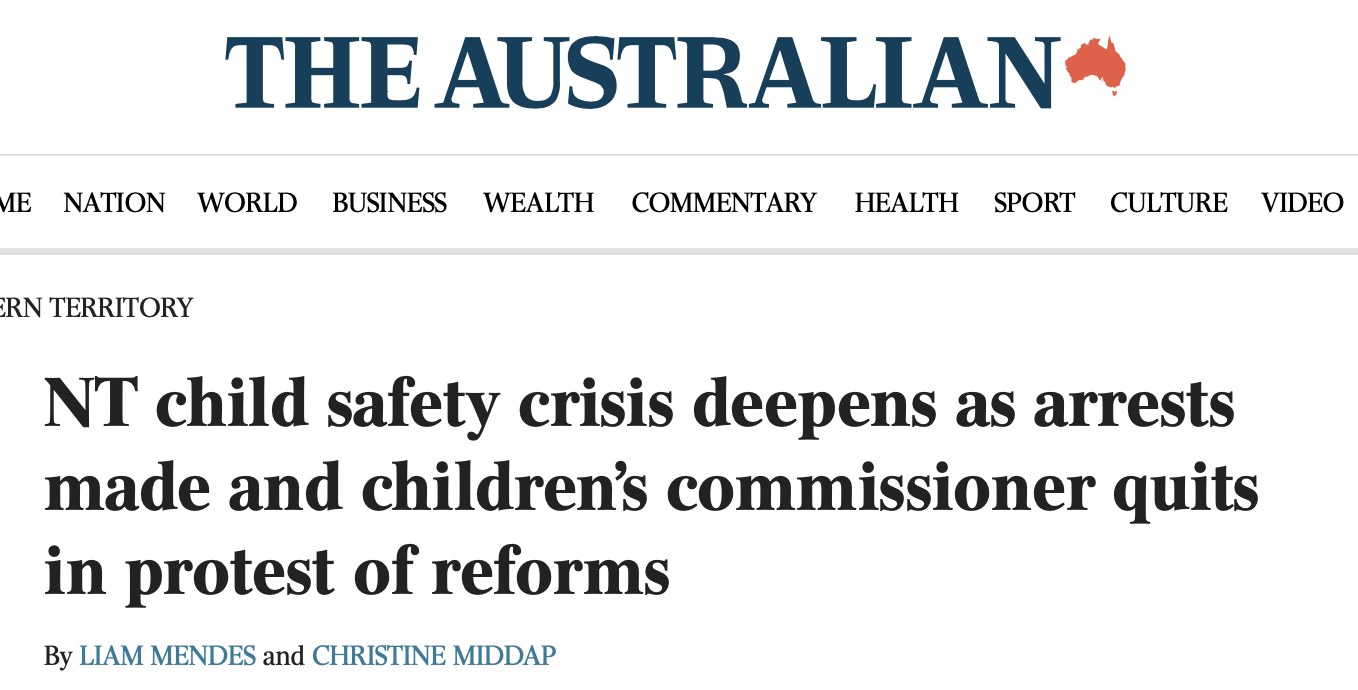
And so the hand-wringing continues as The Australian reports yet again over over whether Aboriginal Culture is Paramount or Aboriginal Children’s Lives Matter