Neil Young - Stitching up a Kipper to Save a White Aborigine?
Posted 3 Sept 2026
By Roger Karge, Editor
“Let’s go beyond racial pride. Beyond black and white. Let’s be proud only of being human beings set on this land together, determined to find what unites us and not to invent such racist and trivial excuses to divide. Deal?”
- Andrew Bolt, ‘It’s so hip to be black’, Herald Sun, 15 April 2009.
It was to be a forlorn hope by Bolt.
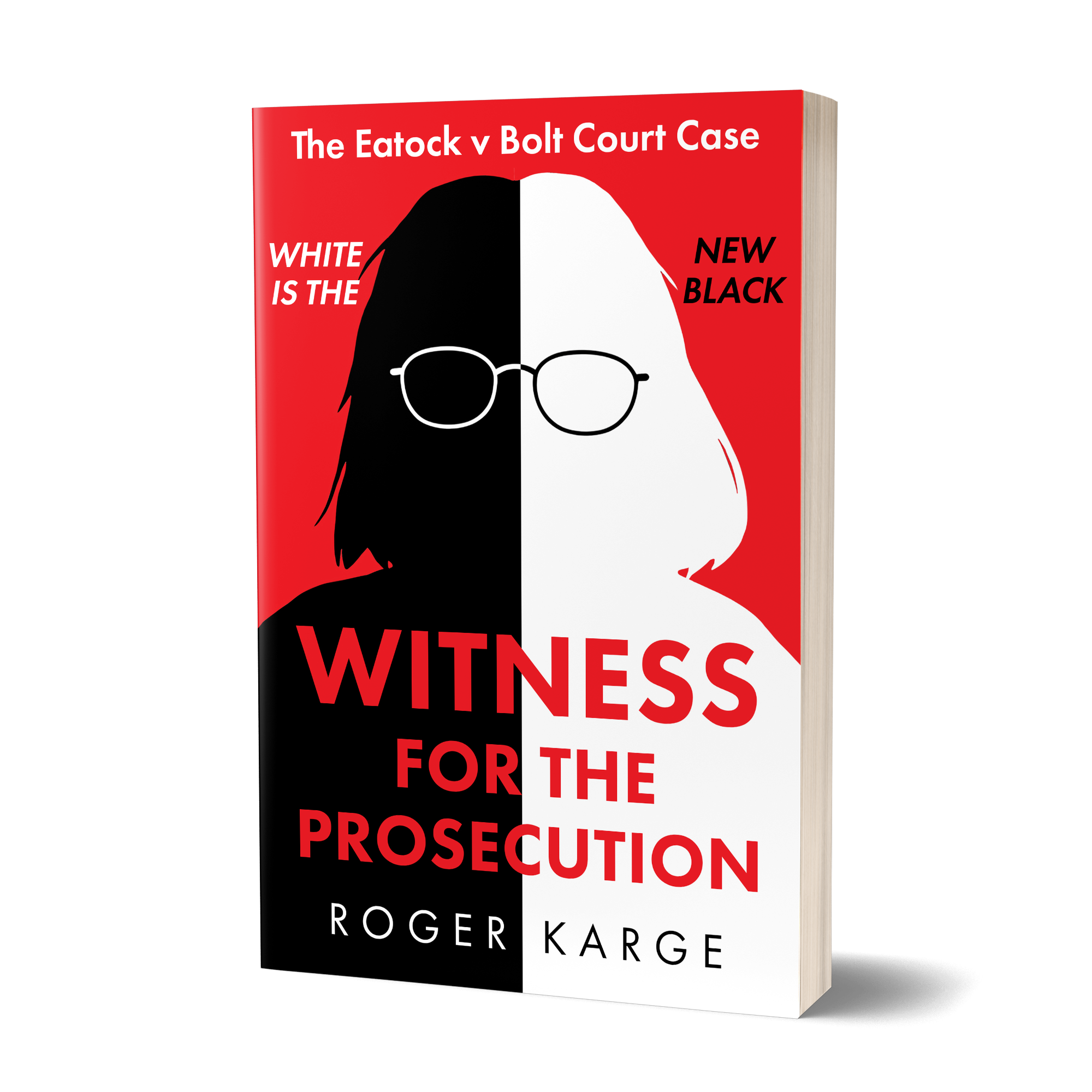
Two years later he emerged from Federal Court, bewildered at his loss, after being found guilty of breaching s18C of the Racial Discrimination Act for penning his article.
Justice Bromberg had found Bolt’s newspaper articles to be “highly offensive and insulting”, not only to the lead plaintiff Pat Eatock, but also to:
individuals [who, by Bolt] are portrayed as examples of a ‘trend’ involving a wider group of individuals. The wider group is identified primarily by skin colour and heritage – “white Aborigines” or similar description.
Bolt’s use of the term “white Aborigines” came to be portrayed by his opponents, and ultimately the court, as one of the most offensive aspects of his articles. Even the judge found it difficult to acknowledge the term.
Instead, Bromberg J coined and used the phrase “a fair-skinned Aboriginal person”. He used this terminology to describe one of the “white Aborigines” at large in our society, a person he said, like Pat Eatock, who:
would be reasonably likely to fear that there will be many people who will read and agree with the imputations conveyed by the Newspaper Articles and will, as a result, attribute to her the negative characteristics attributed by the articles to those named within them and which are ascribed more generally to “white Aborigines”… A fair-skinned Aboriginal person with the attributes that I have identified…
Bromberg J went on to say:
It is reasonably likely that she will also have been offended and insulted by what she would have perceived to be Mr Bolt’s concentration on skin colour as the defining determinant of racial identity…
She will have thought that the stereotype of the “white Aborigine” which the Newspaper Articles portray will be seen, read and probably accepted as the truth by many. She will have been conscious that, given her appearance and her identification as an Aboriginal person, others may perceive her to have falsely chosen to identify as an Aboriginal person and done so for opportunistic or political reasons, just like those people that Mr Bolt wrote about…
That will be very offensive and insulting to her because it is not true. Her Aboriginal identity is important to her. It is who she is. The thought that others may regard her as fake or dishonest about her identity will likely be highly offensive and insulting.
- Bromberg J:2011, paras 285-294
His Honour, Justice Bromberg was particularly interested in the origin of the term “white Aborigines”; and Pat Eatock’s counsel, Ron Merkel QC, was only too happy to guide his Honour’s thinking towards Andrew Bolt being implicated in some way, as the court transcripts record (Figures 1&2):
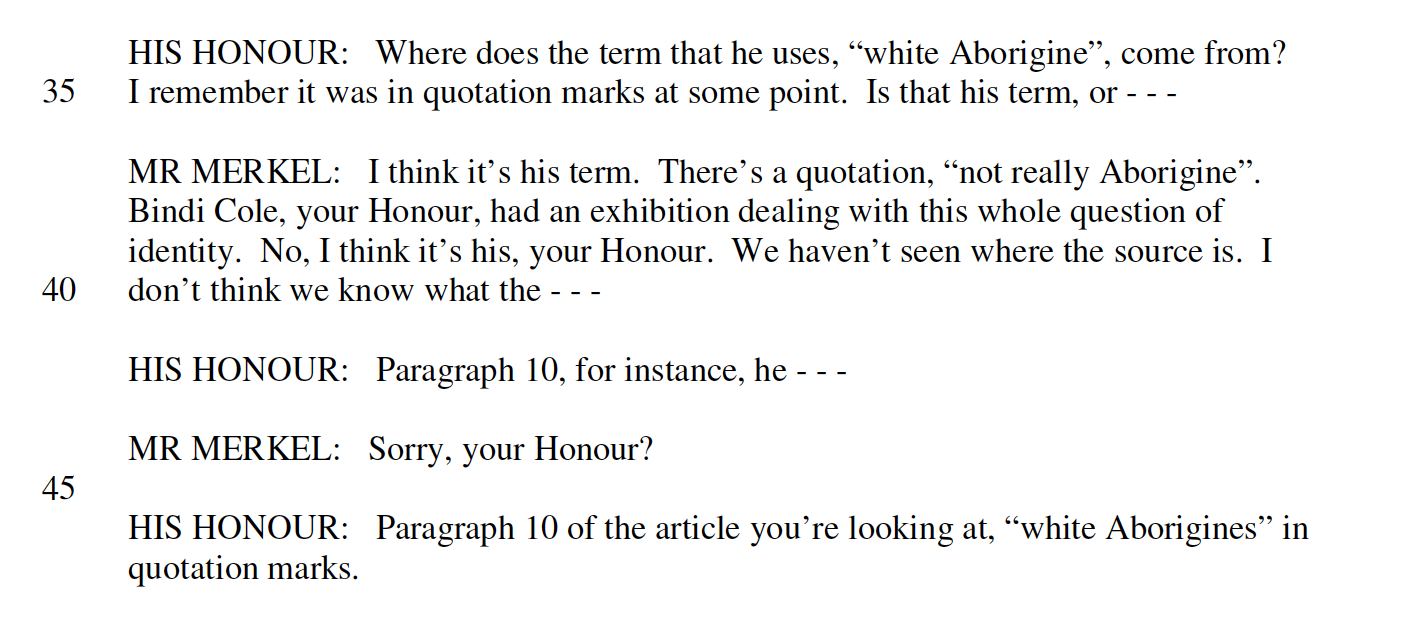
Figure 1 - Source: TRANSCRIPT :Day One, p24
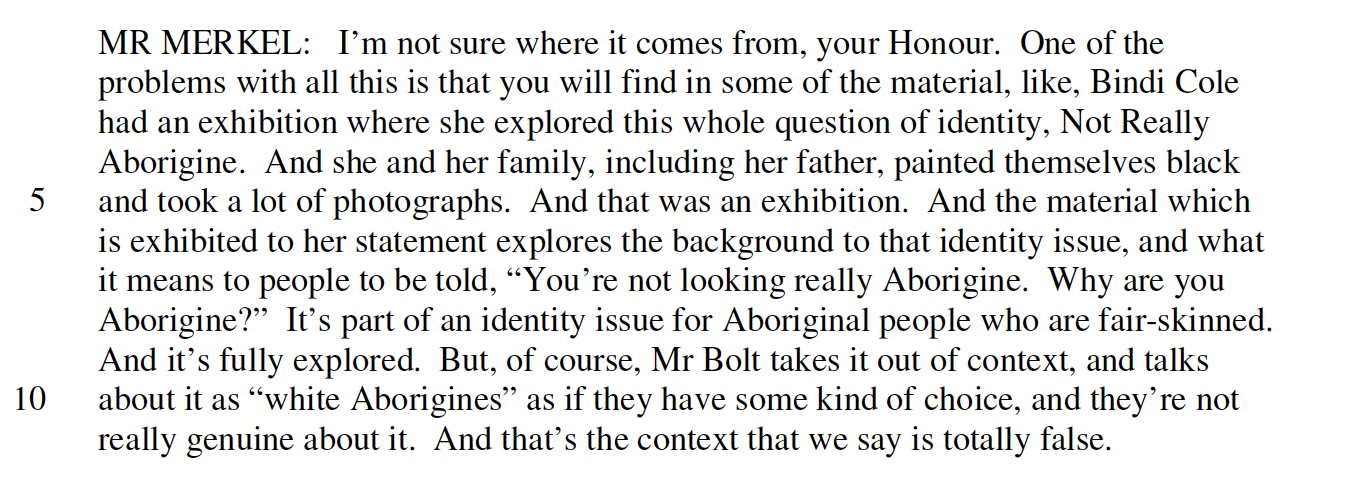
Figure 2 - Source: TRANSCRIPT :Day One- p25
Mr Merkel was relentless on behalf of his client to convince the judge that, “probably ‘white Aborigine’ [was] about as most offensive as you can get in this area” (Figure 3).
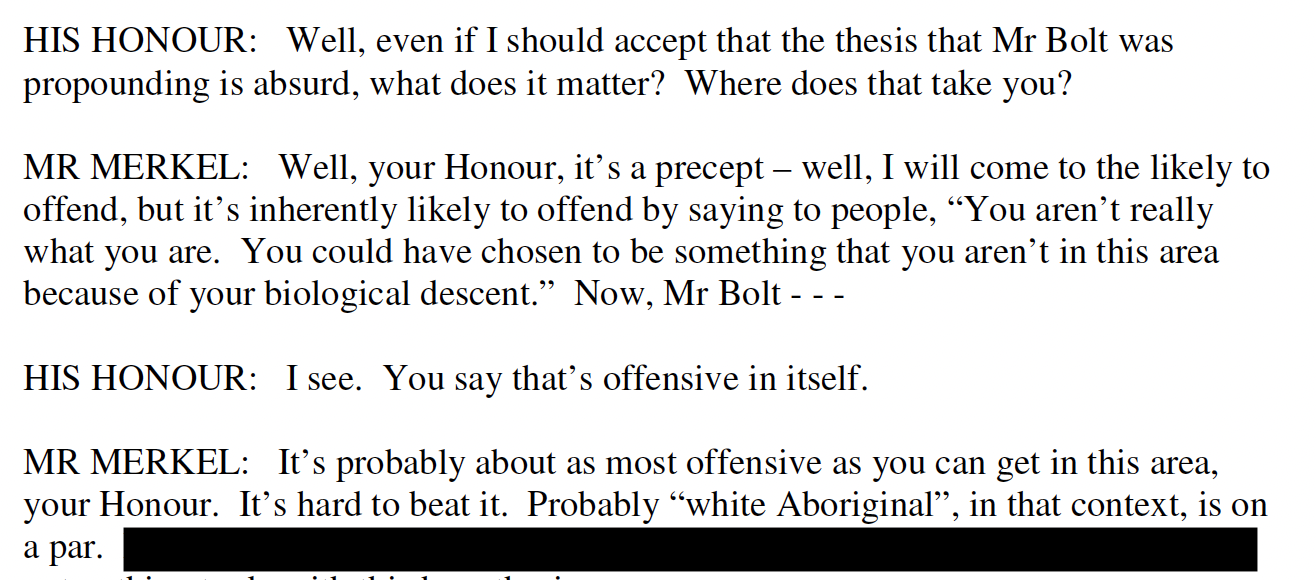
Figure 3 - Source: TRANSCRIPT :Day Five, - p428
A critical accusation in the court case against Bolt was expressed in the last paragraph of the transcript in Figure 2 above, where Merkel told the court:
“But, of course, Mr Bolt takes it out of context, and talks about “white Aborigines” as if they (incl. Eatock) have some kind of choice, and they’re not really genuine about it. And that’s the context that we say is totally false.”
But is Merkel’s statement really true?
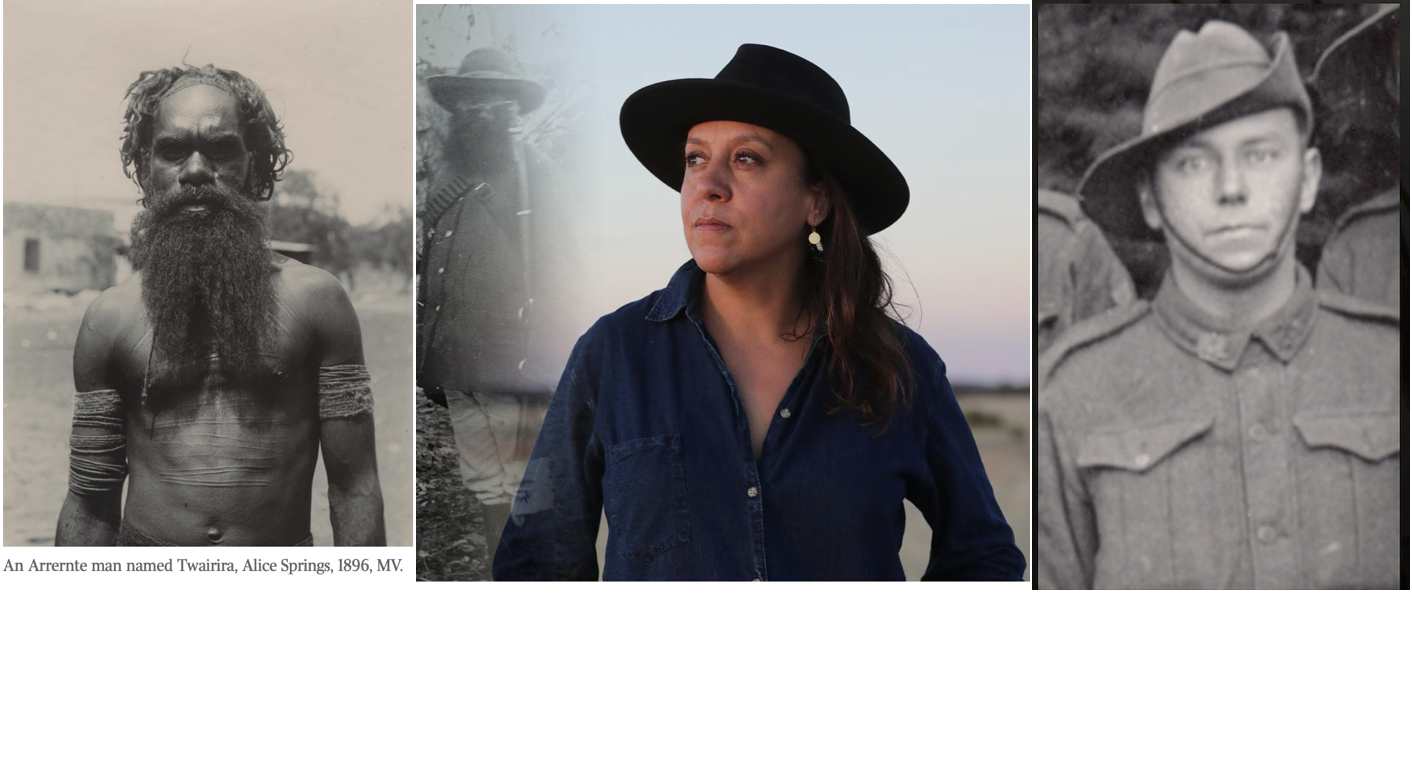
Did not fair-skinned Bindi Cole make a “choice” to paint herself black and exhibit herself as an artwork, thereby confirming in many people’s eyes she was acknowledging she was actually a “white Aborigine”?
And more importantly, was it false to believe that Pat Eatock didn’t “have some kind of choice” in identifying as a “white Aborigine”?
For in fact, new evidence has come to light that an original source of the term “white Aborigine” was not Andrew Bolt in 2009, but rather activist Pat Eatock herself, way back in 1972.
Historian Michael Connor, has just penned an article in Quadrant magazine, some fifteen years after the infamous Eatock v Bolt 2011 trial - which he attended in person each day (Connor:2011) - that brings new evidence to light proving that “choice” was freely used by Eatock to express her identity as a “white Aborigine”.
Connor recalls the case:
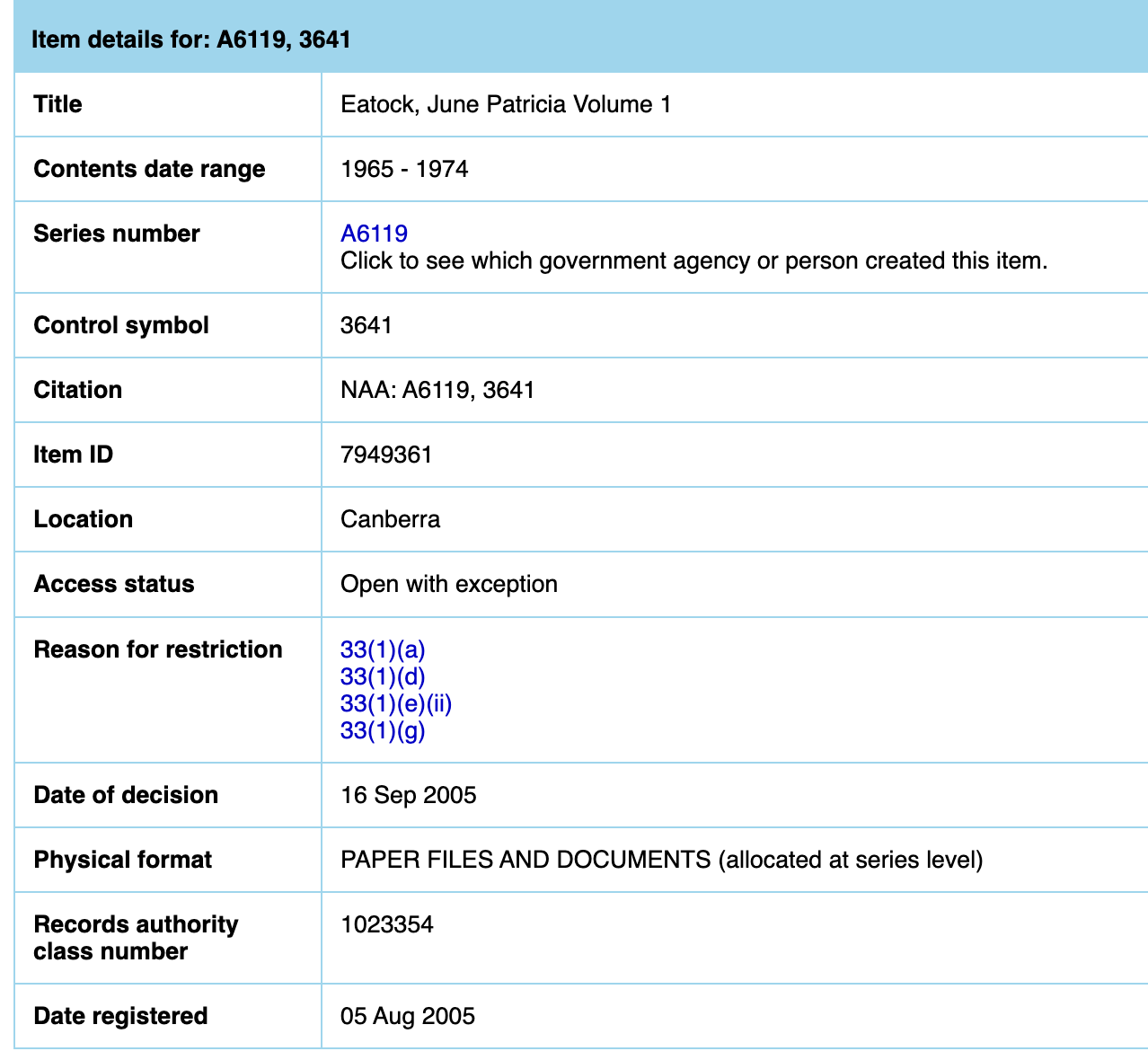
Eatock was impressive when she was examined by Bolt’s lawyer. She bamboozled and confused him completely. I knew she was described as an activist but did not know until I read her ASIO file this year that she had been a member of the Communist Party of Australia since 1965. Obituary notices noted that she was a member of the Socialist Alliance at the time of the trial. Her activist experience and Party schooling came in helpful; Bolt’s QC never had a chance. The declassified ASIO file has been freely available in the Australian Archives since 2005.
No, she did not say to new acquaintances “I am Aboriginal”. The ASIO file has evidence of her in 1972 describing herself as “part Aborigine” and also, as a presenter at a Young Communist camp, introducing herself as a “white Aborigine”. One of the benefits of ASIO files is that they offer contemporary eavesdropping, not hindsight accounts or faked oral history.
As Eatock’s evidence was being presented, the judge interrupted to ask Merkel the origin of the expression “white Aborigine” which he had noted in Bolt’s articles. The lawyer blamed the journalist, “I think it’s his term.” Eatock did not disagree, but the defence could have, if they had done some preparation before the trial.
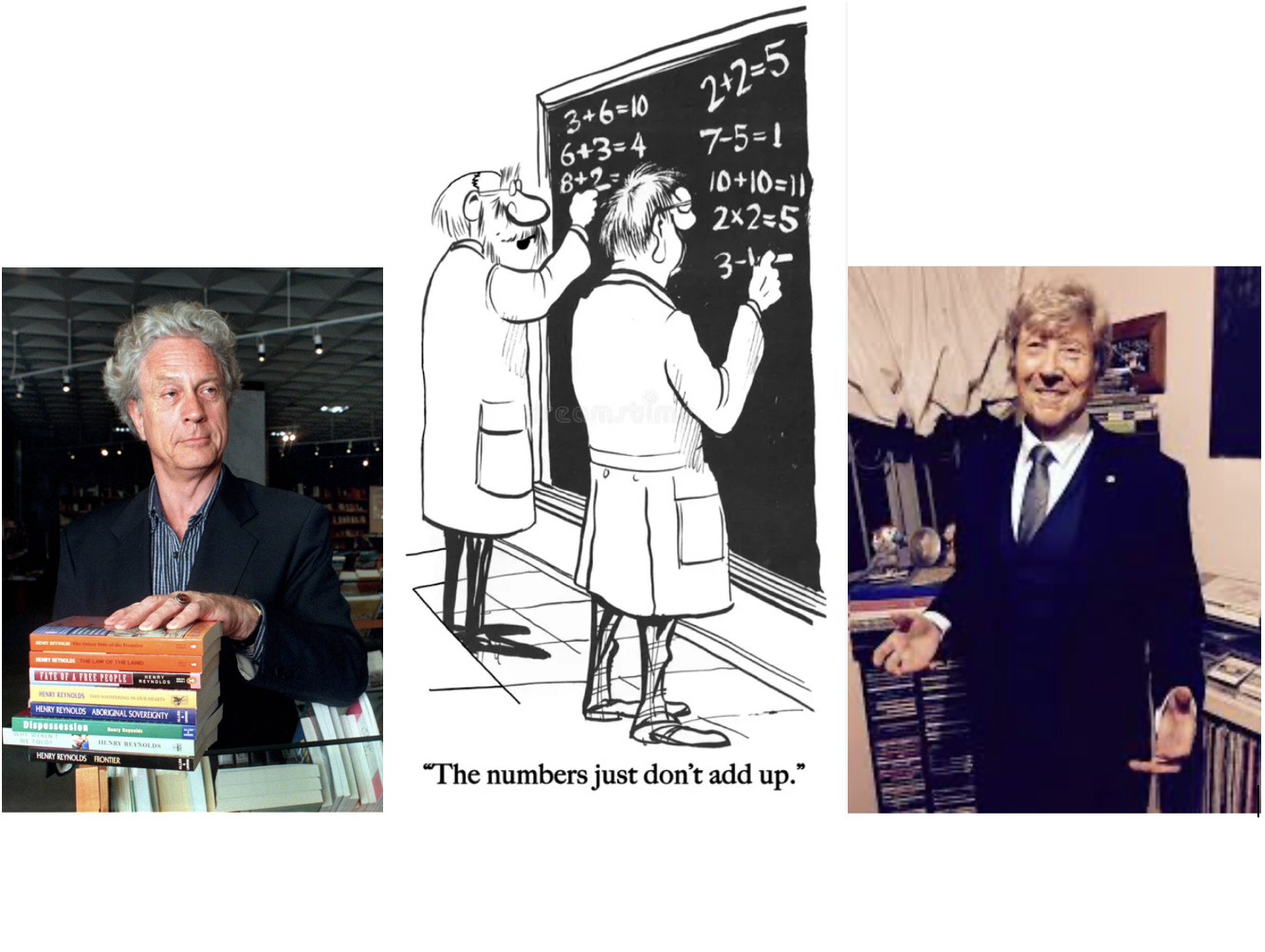
Bolt’s ‘bamboozled and confused’’ lawyer was Neil Young QC, who hadn’t done his homework by accessing the ASIO files on his client’s accuser.
For the avoidance of doubt, reproduced below are screenshots of the actual ASIO agent’s report from 1972, clearly showing the agent’s observation that the term “white Aborigines” was understood terminology at the meeting; and a description that Pat Eatock had offered freely as her “choice” in describing herself (Figures 4 & 5).

Figure 4 - Excerpt from the ASIO spy report from the The Young Communist Movement Weekend Camp held at Minto on 22 and 23 April 1972. “Three u/i (unidentified) females from Canberra who described themselves as “White Aborigines”. Source: NAA A6119, 3641 p112. - Full Report here

Figure 5 - Excerpt from the ASIO spy report from the The Young Communist Movement Weekend Camp held at Minto on 22 and 23 April 1972. “…Pat EATOCK (who called herself a white aborigine). Source: NAA A6119, 3641 p113
Poor Andrew Bolt: he probably grew up eating Dutch rolmops and he frequently exposes political ‘red herrings’ on his show, but it’s only now that he is finding out just how ‘stitched up like a kipper’ he really was in his 2011 court case.
There was, and still is, something very ‘fishy’ about this s18C case.
Postscript on the ‘Herring Men’
Figure 6 shows the troika of legal minds down at the Federal Court who failed to:
a) realise the lead plaintiff, Pat Eatock, was actually a fake - she had no Aboriginal ancestry all - and Bolt had been correct to claim she was essentially Scottish and thus a “white Aborigine”, and
b) disclose that an ancestor of one of the other plaintiffs - Anita Heiss’ grandfather - was a card carrying member of the Nazi Party in the 1930s & 40s, before Mr Merkel launched a tirade of unjustified Nazi-like slurs against Bolt in court.
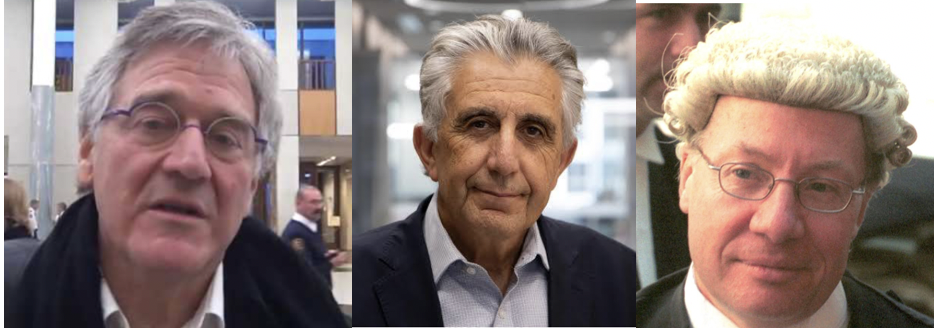
Figure 6 - “The Herring Men”, ‘stitching up a kipper’ , down at the Federal Court (L to R) ; Pat Eatock’s counsel Ron Merkel KC, Justice ‘Mordy’ Bromberg and Bolt’s counsel and avid golfer*, Neil Young KC
* Neil Young KC: As reported by court observer Michael Connor: “The hearing ran across two weeks. One side was passionate about what they were doing. On the Monday of the second week the opposing lawyers were early in the courtroom and were chatting together. Merkel and his team had spent the weekend working on the case. Young told them he had spent the day before playing golf.” (‘The White Aborigines Trial’, Quadrant Online, 1 Nov 2011.)
References
Bromberg J:2011 - Eatock v Bolt [2011] FCA 1103, PAT EATOCK v ANDREW BOLT and THE HERALD AND WEEKLY TIMES PTY LTD (ACN 004 113 937), File number: VID 770 of 2010, Judge: BROMBERG J, Date of judgment: 28 September 2011
Connor:2011 - Connor, M., Andrew Bolt on Trial, Quadrant, 1 May 2011
Transcripts:Day One - TRANSCRIPT OF PROCEEDINGS, FED. COURT OF AUST. VIC., BROMBERG J, No. VID 770 of 2010, PAT EATOCK and ANDREW BOLT and ANOTHER, MELBOURNE, 10.16 AM, MONDAY, 28 MARCH 2011, Day One
Transcripts:Day Five- TRANSCRIPT OF PROCEEDINGS, FEDERAL COURT OF AUSTRALIA, VICTORIA REGISTRY, BROMBERG J, No. VID 770 of 2010, PAT EATOCK and ANDREW BOLT and ANOTHER, MELBOURNE 10.02 AM, FRIDAY, 1 APRIL 2011, Continued from 31.3.11, DAY FIVE
Asio File on June Patricia (Pat) Eatock showing its registered date with the National archives as “05 August 2005” nearly six years prior to Bolt’s court case.