Anatomy of a Suspension at the Australian Historical Association - Part 1
Posted 13 August 2026
by Roger Karge, Editor
This post is Part 1 in a series about my suspension, as an Australian Historical Association (AHA) member, from the 2026 AHA conference at Macquarie University.
I had been accepted by the President, Professor Michelle Arrow, to present my paper, which she informed me was to be “part of a panel titled "Re-appraising Indigenous Histories … as it would complement the other papers in the session very well”.
The 45th Australian Historical Association (AHA) Conference was due to begin at Macquarie on Monday 29 June and run for five days to Friday 3 July 2026.
I had driven to Sydney from Melbourne and booked five days accommodation. I was excited to finally present a paper on, what I believed was, novel historiographical methodology as applied to two contentious court cases in Australian history. I had co-authored a book on one of the cases, which had been reviewed and debated civilly in the less well known Tasmanian Historical and Research Association (THRA) journal. A paper presentation at the more distinguished AHA Conference was an exciting opportunity to get our work vetted by a greater number of professional historians.
The theme of the conference was “Changing Minds” no less, and I relished the chance at having a good run at changing the minds of some of Australia’s leading historians. What could possibly go wrong I thought as I went to sleep the Sunday night before the conference was to begin?
Everything, as it turned out.
Early on Monday morning I found that an email had landed in my inbox overnight (at 10:16 pm on Sunday 28 June 2026 to be precise). It was from Dr Richard Scully, the Hon. Secretary of the Australian Historical Association:
I write on behalf of the AHA Executive Committee, which has been notified of a possible breach of the Association's Code of Ethics.
Having viewed the contents of the website Dark Emu Exposed, the AHA Executive has made a decision to suspend your membership under Section 7.1b(ii) of the AHA Constitution, while it investigates the claim of conduct ‘unbecoming a member or prejudicial to the interests of the Association.’
This suspension will last for fourteen days while the executive undertakes its investigation.
This means that you will not be permitted to present at, or attend, the 2026 AHA conference.
As part of this process, you will have full rights and protections under our shared Constitution, including the opportunity to respond (please see Constitution, 7.3 -https://theaha.org.au/aha-constitution/).
In consideration of your commitments made in terms of conference attendance, the AHA has also agreed to refund your registration for the event. Given the lateness of this decision, the Executive has also agreed to extend an offer to refund all your associated travel costs. Please send us an itemised list of these expenses so that appropriate reimbursements can be made.
Richard
Dr Richard Scully, BA (Hons), PhD (Monash), FRHistS, Hon. Secretary, Australian Historical Association, Professor in Modern History Head, Department of Archaeology, Classics, and History, Faculty of Humanities, Arts, Social Sciences & Education, University of New England, Armidale, NSW, 2351, Australia
I was stunned to say the least. The AHA Executive made no reference to the contents my submitted paper, the abstract for which they had approved, as the source of my “possible breach of the Association's Code of Ethics.” Instead, they appeared to be upset by my association, as the editor, with an obscure website named Dark Emu Exposed. I was guilty until proven innocent it seemed, of a breach of conduct for which I not been provided any details.
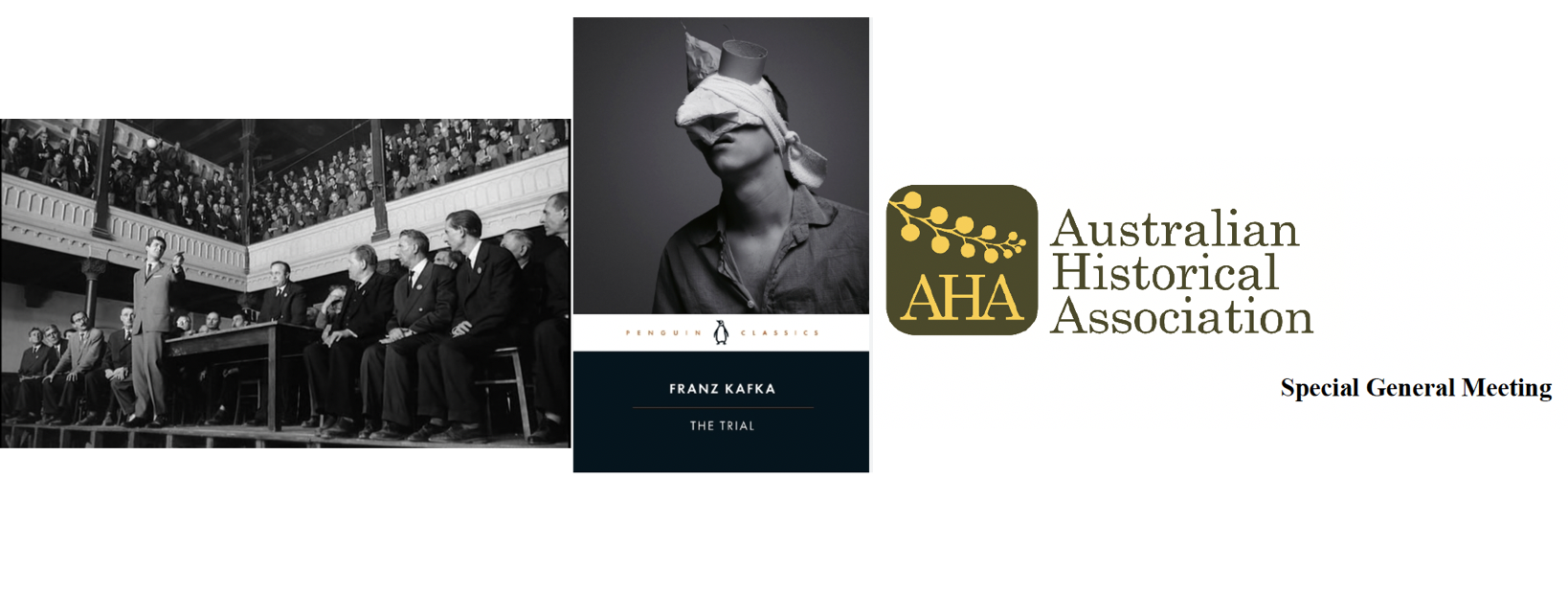
I reacted to my Kafkaesque situation by replying to Scully with a paraphrase of the opening lines of one of the great man’s prescient novels:
The Trial
Franz Kafka
Chapter One
Someone must have been telling lies about Roger K., he knew he had done nothing wrong but, one morning, he was arrested...
I was set to appear before a Special General Meeting of the AHA on 4 August 2026 to make my appeal against the suspension - a suspension that appeared to have nothing to do with my paper. Rather it was for the alleged ‘crime of association’ to a website for which no details of the offence(s) had been provided to me. Kafkaesque indeed.
But first, some Background:
According to the Conference website, the theme of the AHA Conference was “Changing Minds”:
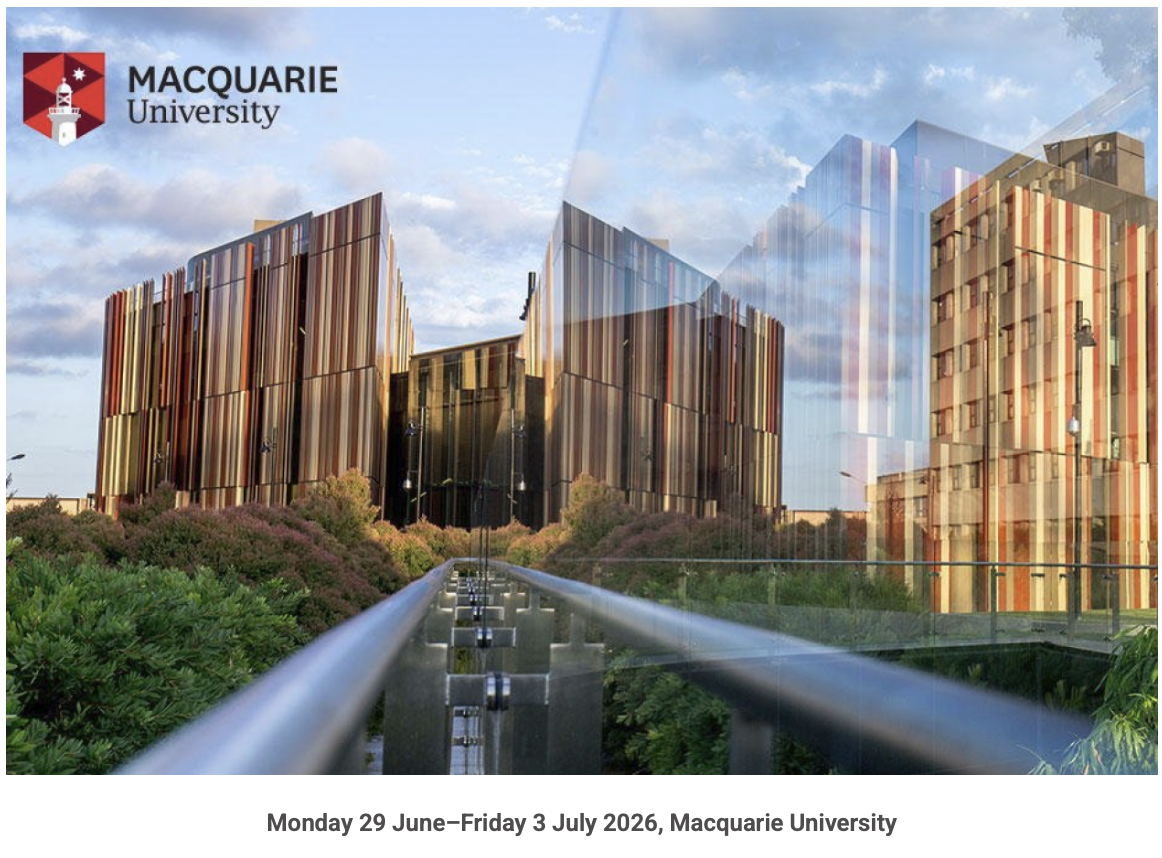
The 45th Australian Historical Association (AHA) Conference will be hosted by Macquarie University.
The organising committee are excited to welcome historians from around Australia and the world to Sydney, on Dharug Country, to share their new research and engage one another on the pressing questions facing our discipline and our communities, under the theme “Changing Minds.”
Papers were called for from early in 2026:
Call for Papers: Changing Minds:
The capacity to ‘change one’s mind’ is a foundational premise in the discipline of history. Upon encountering evidence that disrupts our existing explanations, the story goes, we might adjust, rework or perhaps even overturn our interpretations. And yet, historians do not often describe how and why they have changed their minds. While we are comfortable tracing changes in historiography, it seems harder to narrate our own intellectual alterations or confess that we were once, perhaps, mistaken…
Explaining how we come to interpret history could not be more urgent. Historical narratives, however unencumbered by evidence, proliferate in the polarised political and social worlds in which our work takes place…
…The discipline of history is facing a set of challenges that seem to undermine the legitimacies and infrastructures upon which we have long depended.
So too, The Uluru Statement from the Heart was an invitation to change the story Australia tells itself. The AHA robustly endorsed this invitation and similarly invited the profession to throw its weight behind the proposal for an Indigenous Voice in the Australian Constitution. There were reasons to be optimistic about our capacity to change the hearts and minds of Australians about their national story. Historians of Australia had, without question, reoriented the national story through the careful revelation of the violences of settler colonialism and its continued legacies. Yet, the misreadings and mistruths that underpinned the ‘No’ campaign remained perniciously potent and resistant to critique. The result of the referendum suggests, perhaps, that we did not equip ourselves with the tools we need to change the stories that pulse in the heart of the nation.
To consider how we might make space for, explain and even produce changes of heart and mind, the 2026 AHA annual conference meets at Macquarie University, on Dharug Country, in Sydney. The organisers welcome proposals for papers and panels on any geographical area, time period, field of history, or theoretical or conceptual aspects of history, especially those that consider changes of mind, whether historical or historiographic.
1 - The first Abstract that I submitted for my paper is shown in Figure 1.
Received by email 24 March 2026
Dear Roger,
Many thanks for your submission for the AHA annual conference: Using Classical Historiographical Methodology in the Re-Appraisal of Two (In)Famous Court Cases. We are pleased to inform you that your submission has been approved for inclusion in the conference program (stream: Indigenous Histories) . We look forward to seeing you at Macquarie University, Sydney, 29 June – 3 July. This email is being sent to the contact person for your paper/panel. Please ensure you forward it on to any co-presenters/panellists…
We look forward to seeing you at the Wallumattagal Campus of Macquarie University.
Very Best, Leigh Boucher, AHA 2026 Convenor
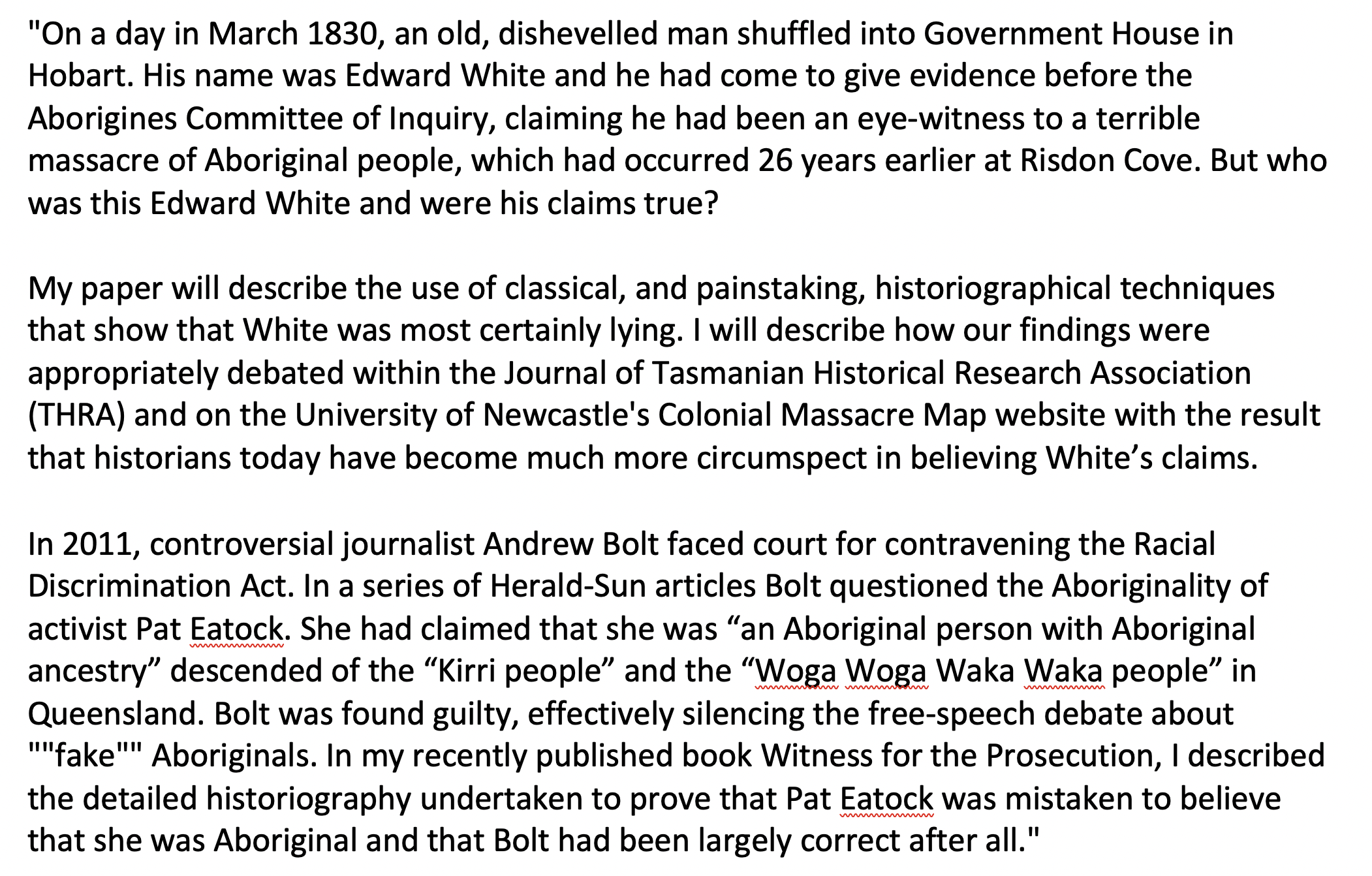
Figure 1 - First Submitted Abstract for Roger Karge Paper at AHA 2026 Conference
2 - Abstract Version 2 - Modified to suit the Conference Theme more closely (Figure 2)
By email 27 March 2026
Hi Leigh, Zac,
Thanks to the AHA for accepting my paper. Based on the conference theme I would just like to slightly modify my paper's title to:
"Changing Minds: Classical Historiographical Methodology in the Re-Appraisal of Two (In)Famous Court Cases"
Regards, Roger Karge
Response received by email:
Dear Roger,
I hope this email finds you well. Apologies for the delayed reply on our end - just confirming that I have updated your abstract on our end. Many thanks for your patience.
Best, Eli, Conference officer, AHA Annual Conference 2026: Changing Minds, June 29-July 3, Wallumattagal Campus, Macquarie University
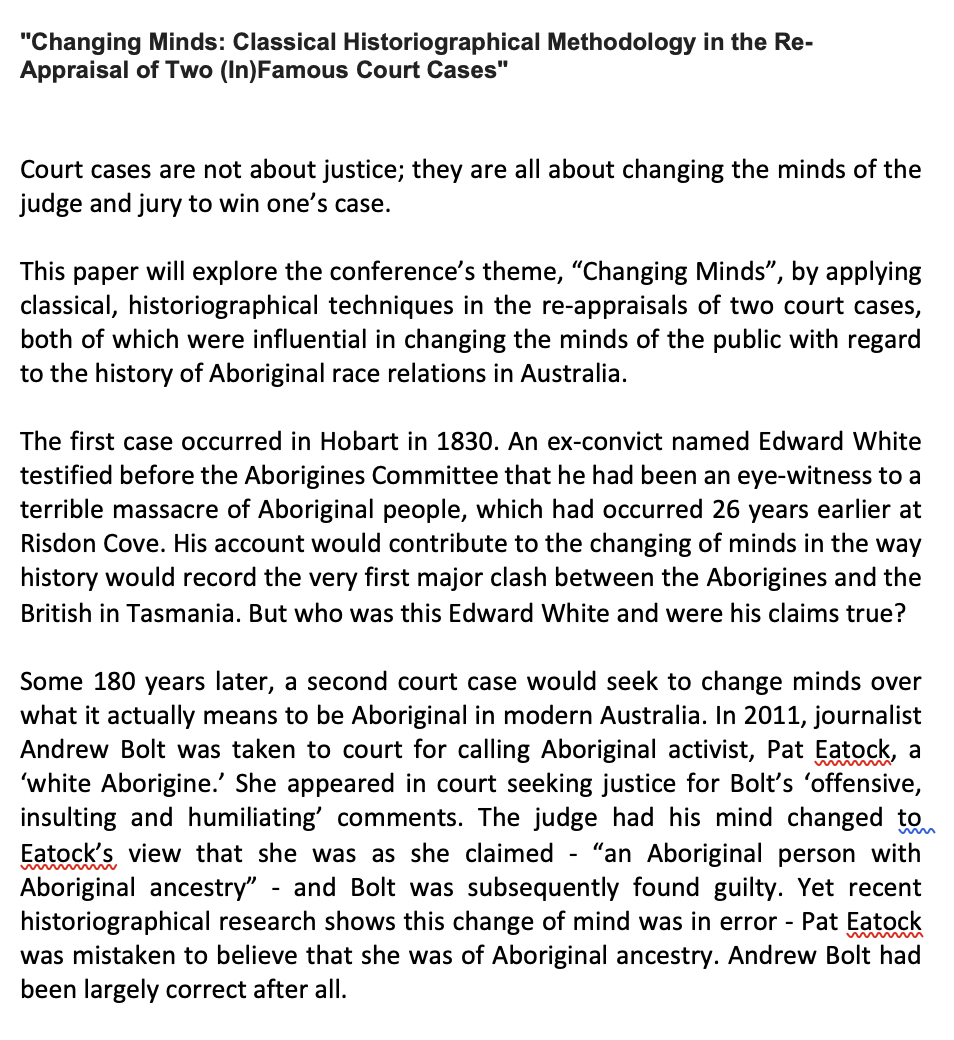
Figure 2 - Second Modified & Submitted Abstract for Roger Karge Paper at AHA 2026 Conference
Some of the wording and/or details in my abstract were obviously causing some concern to the President of the AHA Professor Michelle Arrow, who emailed me on May 14 (Figure 3):
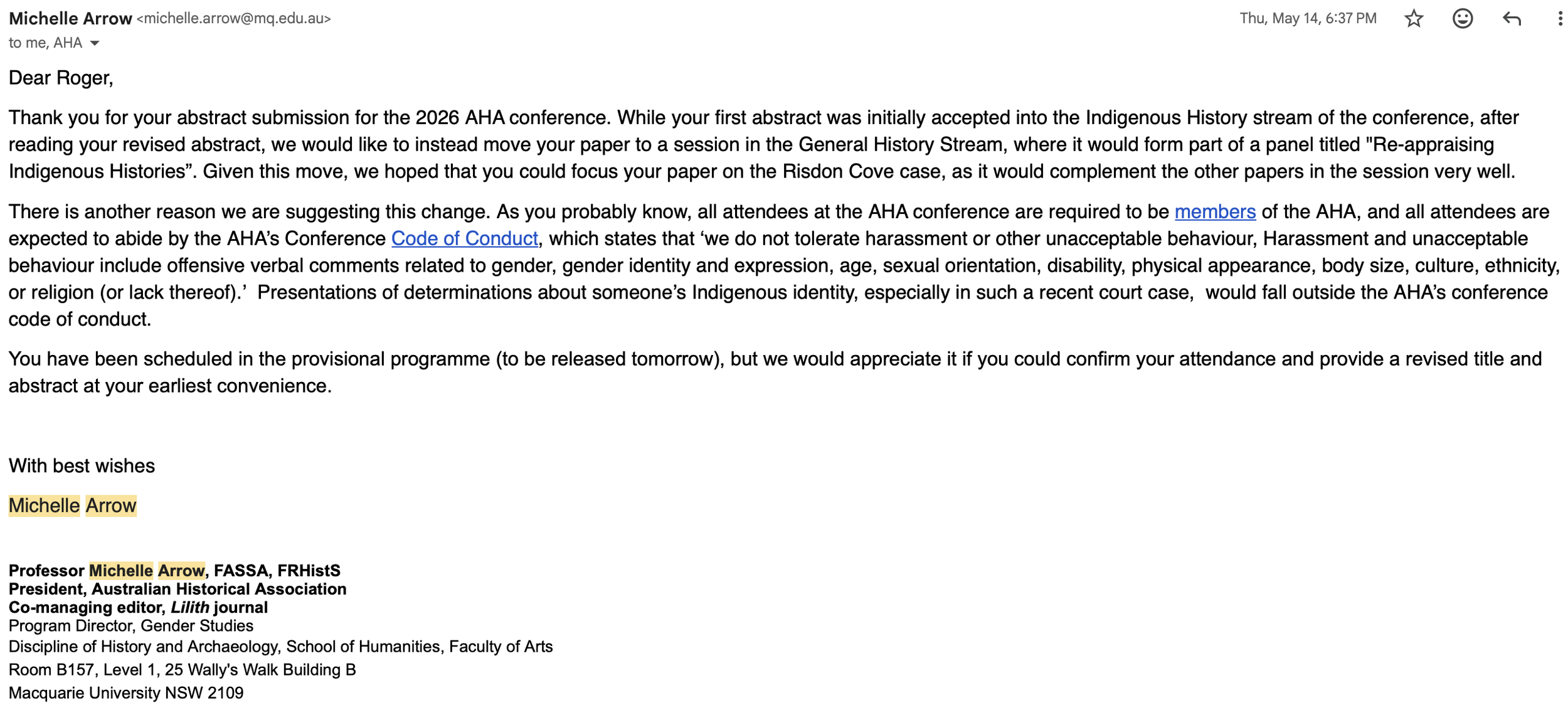
Figure 3
I responded to Professor Arrow’s concerns the next day (Figure 4), and submitted my final Abstract - Version 3 (Figure 5). This was accepted by Arrow on behalf of the AHA (Figure 6) and duly incorporated within the Conference Program (Figure 7).
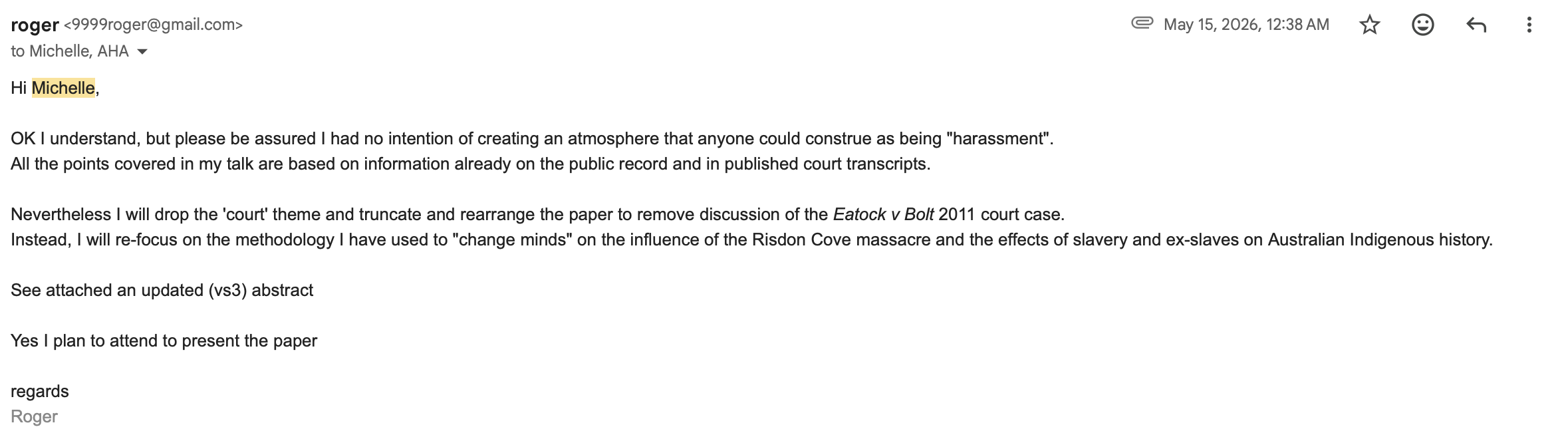
Figure 4
Figure 5
3 - The Final accepted Abstract Version 3 (Figure 6)
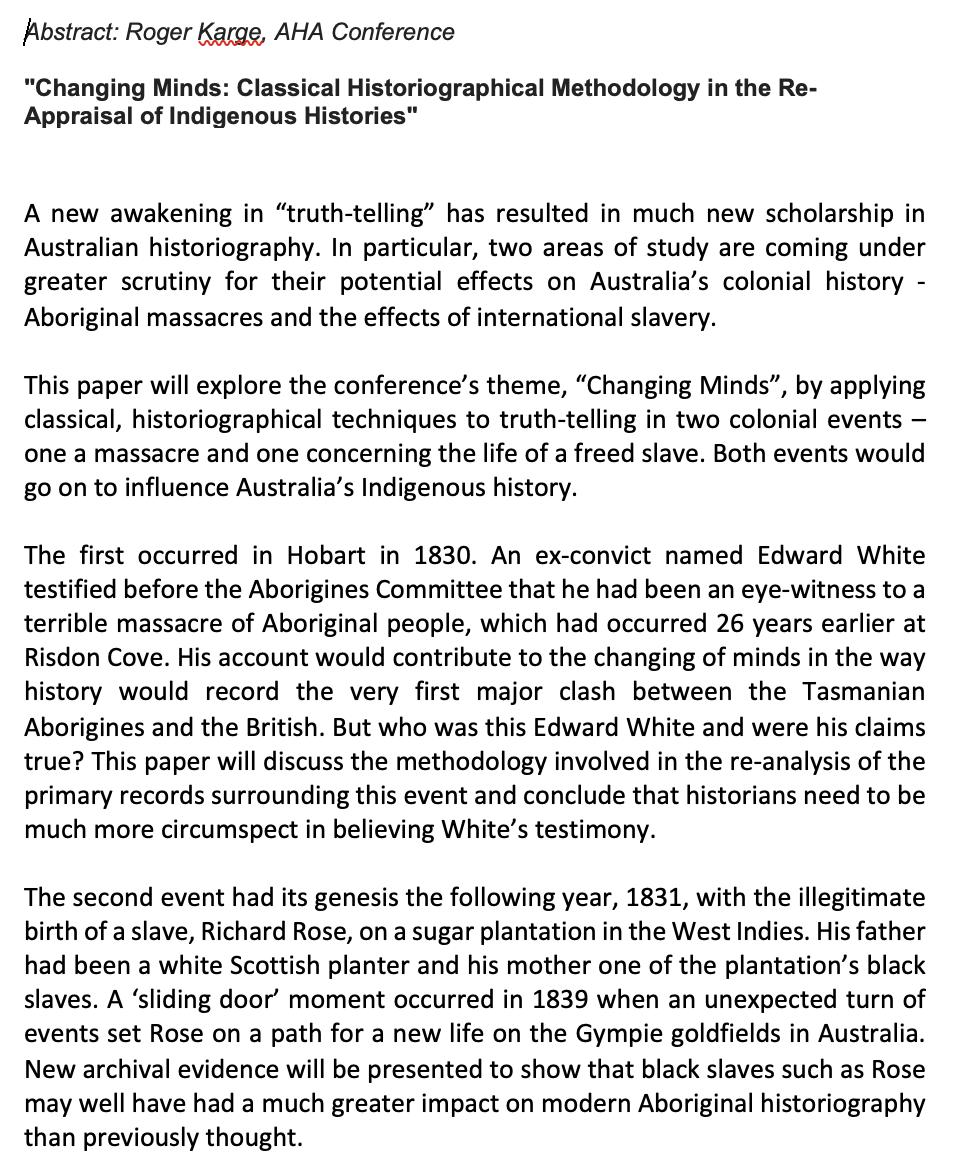
Figure 6 - Final Version #3 of Abstract for Roger Karge’s paper at the 2026 AHA Conference
Acceptance and Incorporation of the Paper Within the Conference Program (Figure 7)
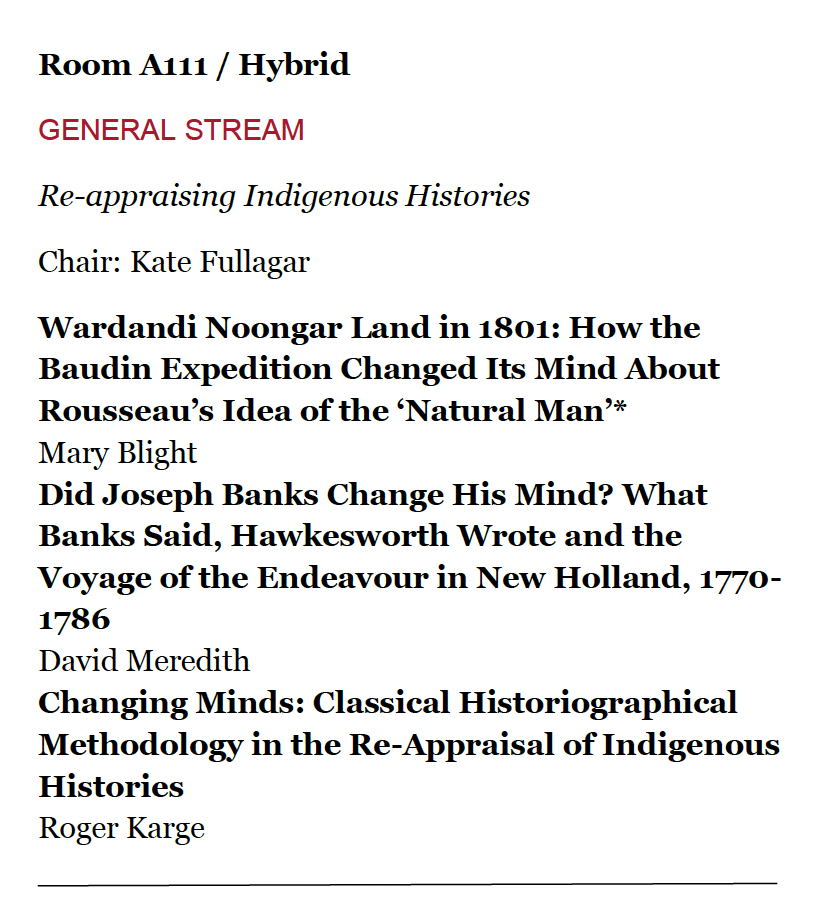
Figure 7 - Acceptance and notification of Roger Karge’s paper with the program for the 2026 AHA Conference.
4 - The Rejection, Suspension and the Walkout
The email from the AHA secretary, Dr Scully, suspending my attendance (Figure 8) made no mention of the details of “the walkout” that was being played out on LinkedIn (Figure 9).
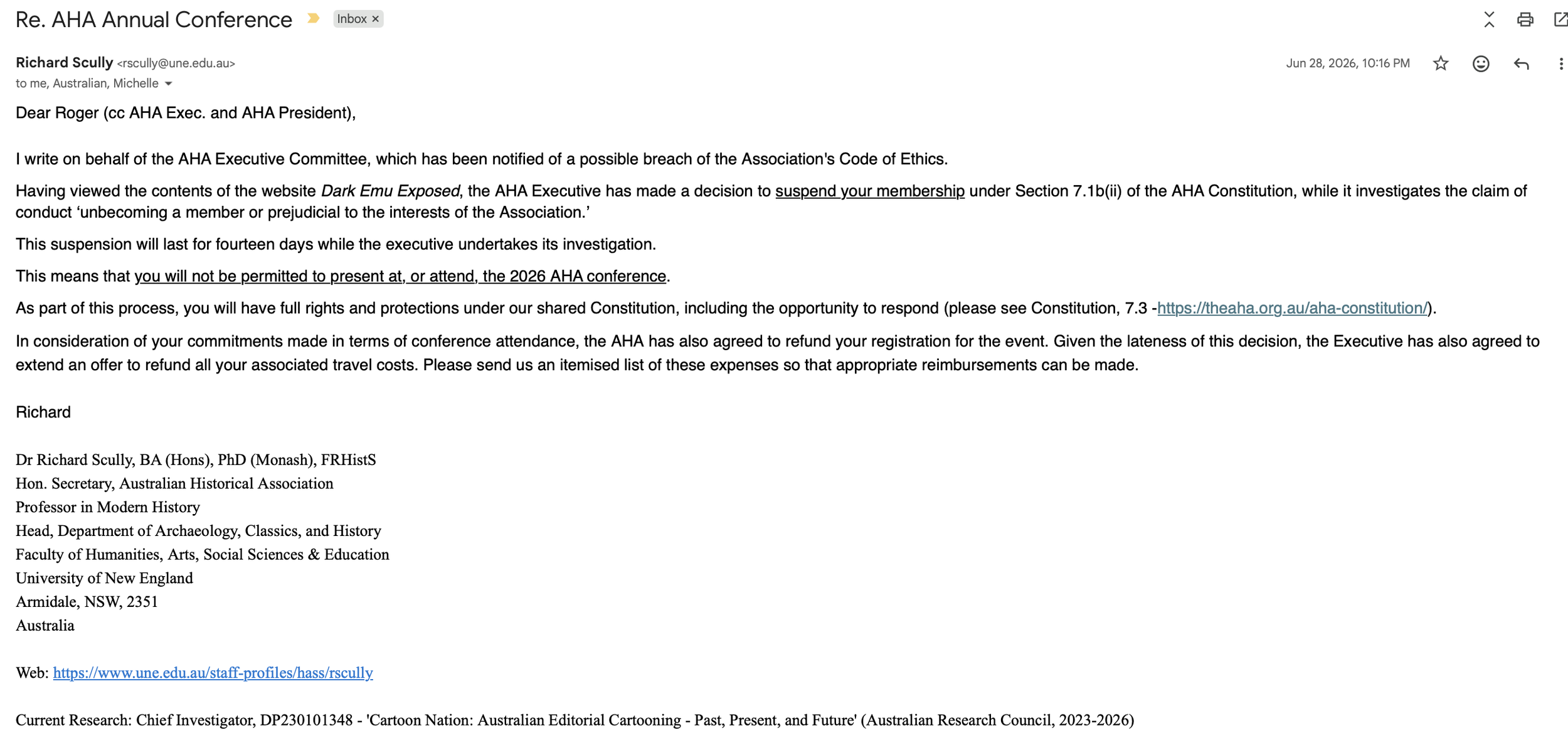
Figure 8 - The AHA email to Roger Karge suspending him for fourteen days, which would encompass the period of the Conference and specifically barring him from attending and presenting his paper.
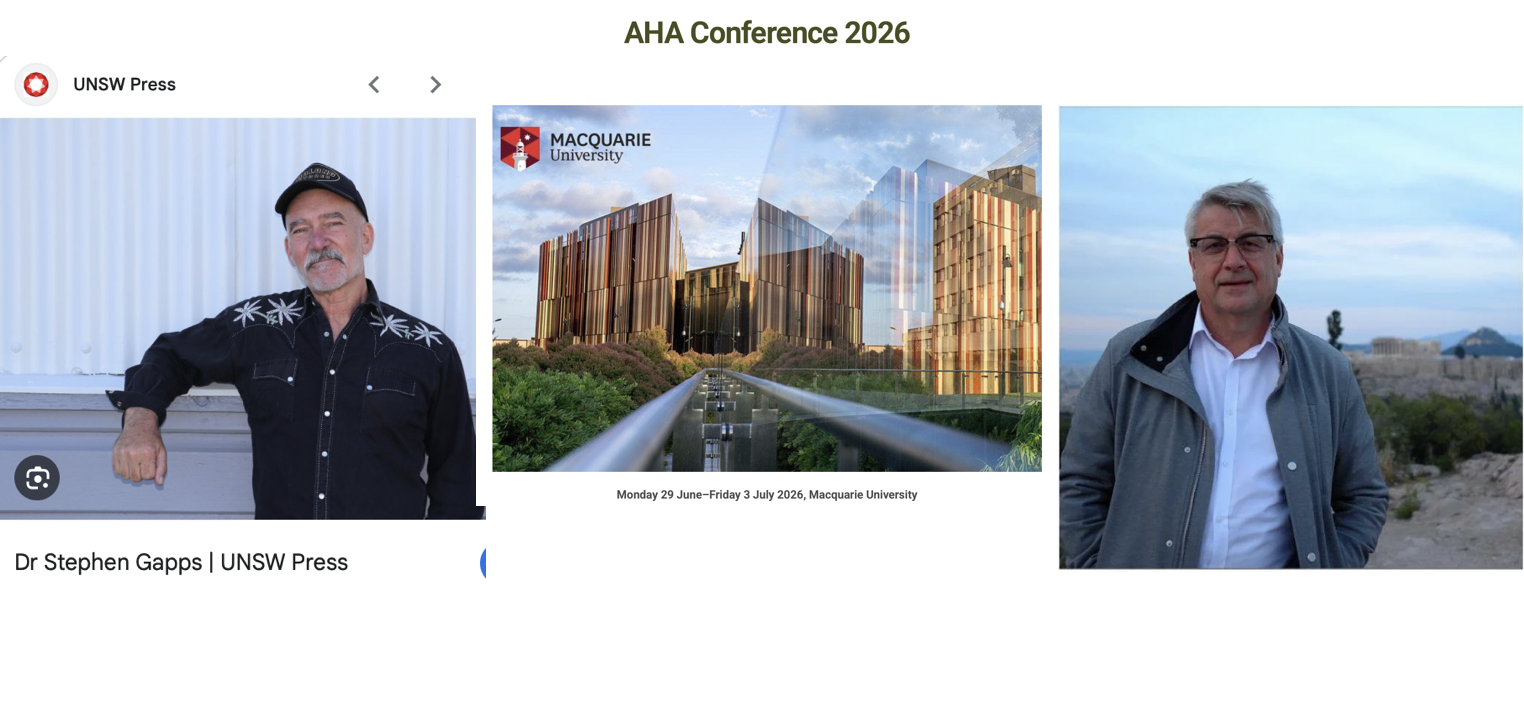
Yet one wonders whether the suspension email (Figure 8) was perhaps really initiated in response to the public 'walkout’ by prominent historian and speaker at the Conference, Dr Stephen Gapps, as outlined in threads that began to appear on LinkedIn in the week(s) leading up to the Conference? (Figure 9).
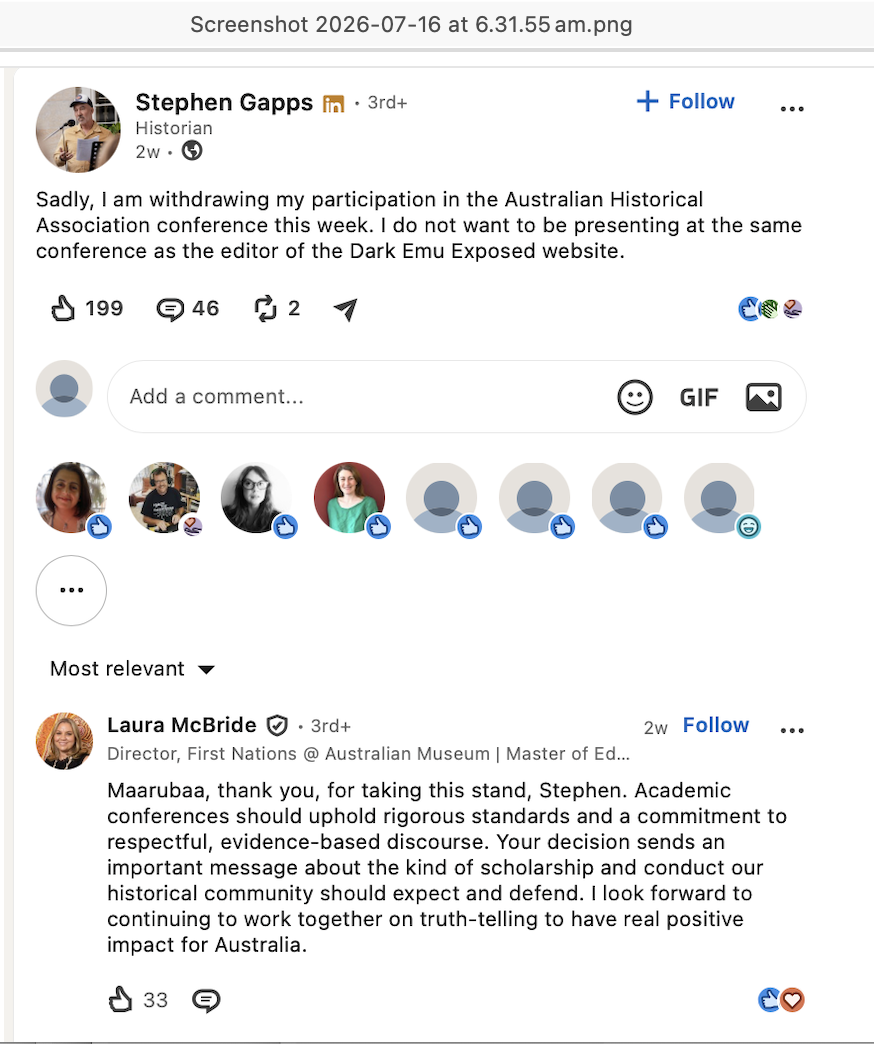
Figure 9 - Screenshot from LinkedIn
Prominent academic, Professor Marcia Langton AO, appeared to have been taking a pro-active role in the background - was the professor ‘pressuring’ the AHA?
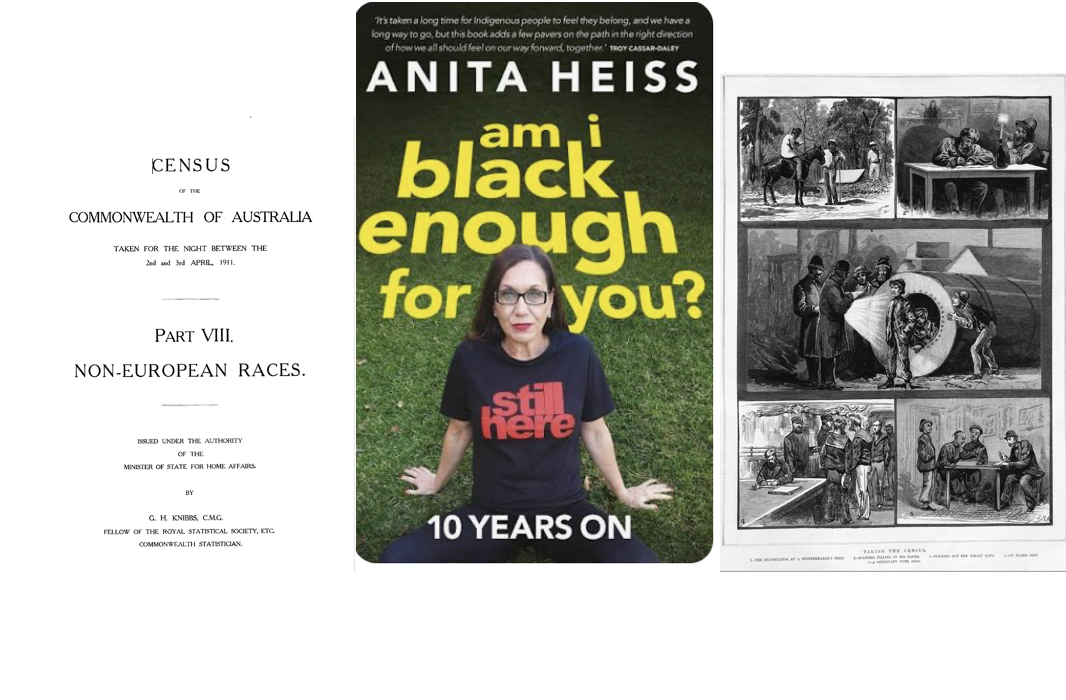
Langton openly objected to the presence of “the editor of Dark Emu Exposed” at the Conference (Figure 10). Many might think this is an extraordinary public position to take for Langton who, although she has published in the AHA journal herself, is not believed to be a member of the AHA herself. Her paper, Almost full circle: Indigenous exclusion and the legacy of the academy, was published in History Australia in 24 Feb 2025. (Figure 11).
Was the Association moving against one of its members under ‘pressure’ from someone who was not even a member?
Who was Professor Langton referring to in her LinkedIn post as the “very sick, disturbed people” with their “poison” and “filth”? Was she referring to the editor of Dark Emu Exposed? Is this language becoming to a professional academic and within the Code of Ethics governing authors in the AHA journal?
The Executive has not been transparent with regard to the correspondence between the AHA and Professor Langton.
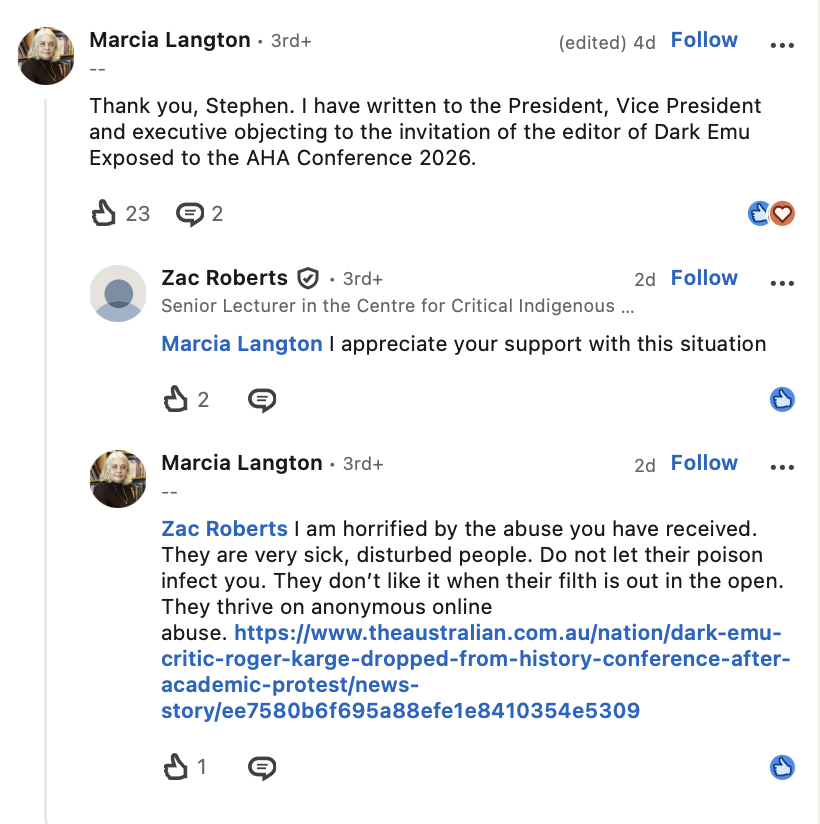
Figure 11
Speaking of the politically active, Vote-No campaigners in the lead-up to the Voice Referendum, Professor Langton revealed she harboured a great dislike, perhaps even a ‘vendetta’ against Dark Emu Exposed.
In a talk at the University of Sydney [from 01:00], two months prior to the 2023 referendum, she railed against the writers Dark Emu Exposed:
They've [Dark Emu Exposed, et al] got all the extra pro-post-Trumpian tactics, the Steve Bannon tactics; the swamping of social media with bots and AI generated Facebook lies, lies on Twitter. I've never been a member of the Communist Party [See Dark Emu Exposed post that had questioned this claim by Langton]…These nefarious Trump-like cult groups; and if you read their garbage on Dark Emu Exposed, on the Advance Australia and various other websites, you try to think about what kind of people write this garbage.
I think of them as, you know, sort of old stock traders that are losing money sitting around in their underpants in their mother's basement [titters, laughter and applause from the academic audience]. They just, you know - I hate that person - I'm getting dizzy. They're just full of rage and spite. The things that they've said about all of us. I mean, they're so ridiculous and absurd. You know, it's gone past comedy. It's gone past tragedy. There's got to be a new label for the post-Trumpian world of hate.
Rather extraordinary language, many would think, coming from the mouth of a senior academic at a public lecture presumably given under the University of Sydney’s own Code of Conduct. [See also another incident where the University issued a formal apology and payment of legal fees to Roger Karge and Dark Emu Exposed for a potentially defamatory outburst by another of their academics, Professor Jaky Troy.]
Others came out on LinkedIn to support Stephen Gapps in his decision to withdraw from the Conference due to my presence (Figures 12 to 18):
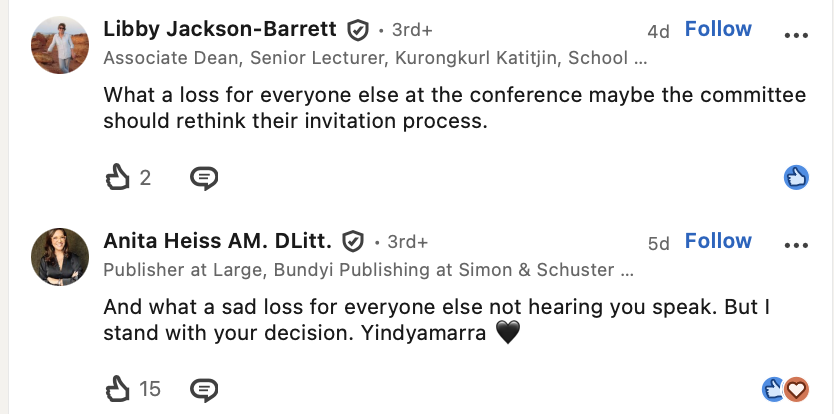
Figure 12
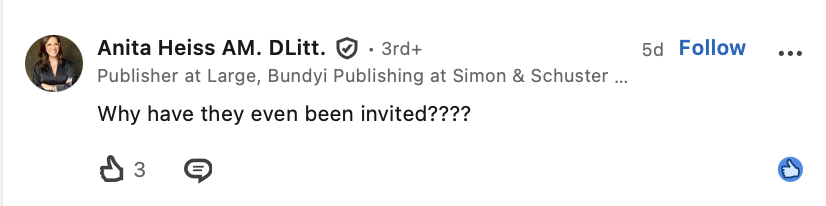
Figure 13
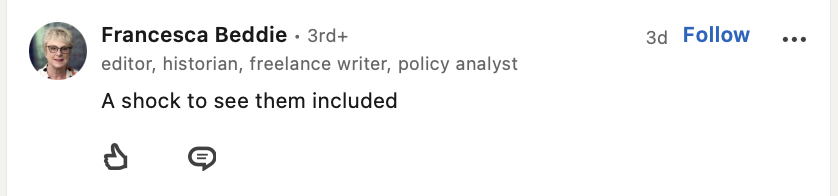
Figure 14A
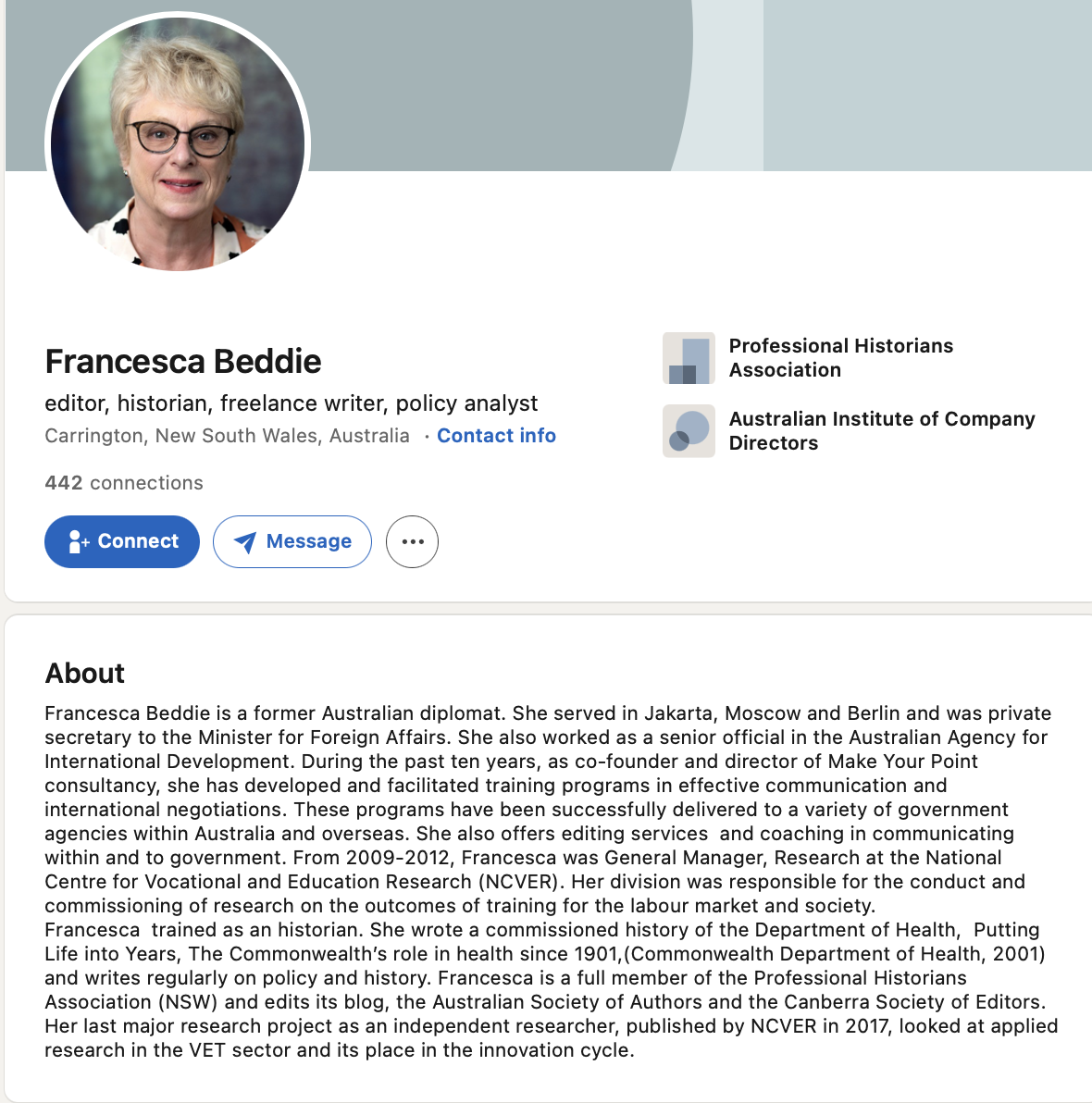
Figure 14B
Note Ms Beddie’s former commentary from 2018 on free speech and the willingness to consider a “change of mind”:
The place is falling apart: not only because of the virulence of some public opinion but also because too few have mastered the art of compromise. Unsophisticated reactions to a change of mind magnify the problem. Witness the opprobrium scientists are subjected to when they cite research that casts new light on earlier findings.
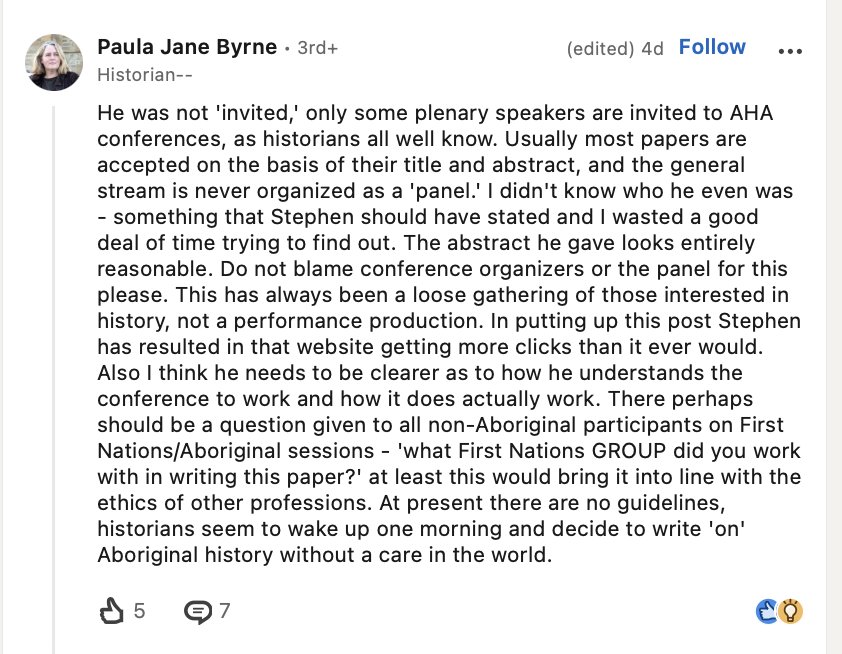
Figure 15
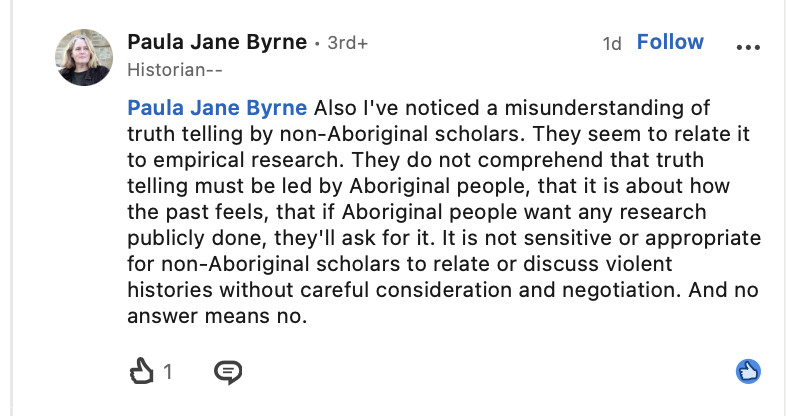
Figure 16
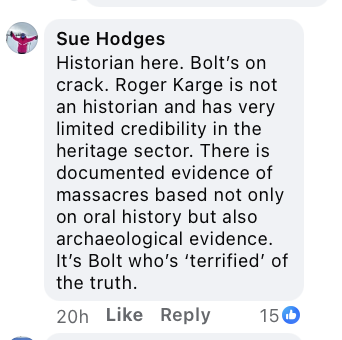
Figure 17
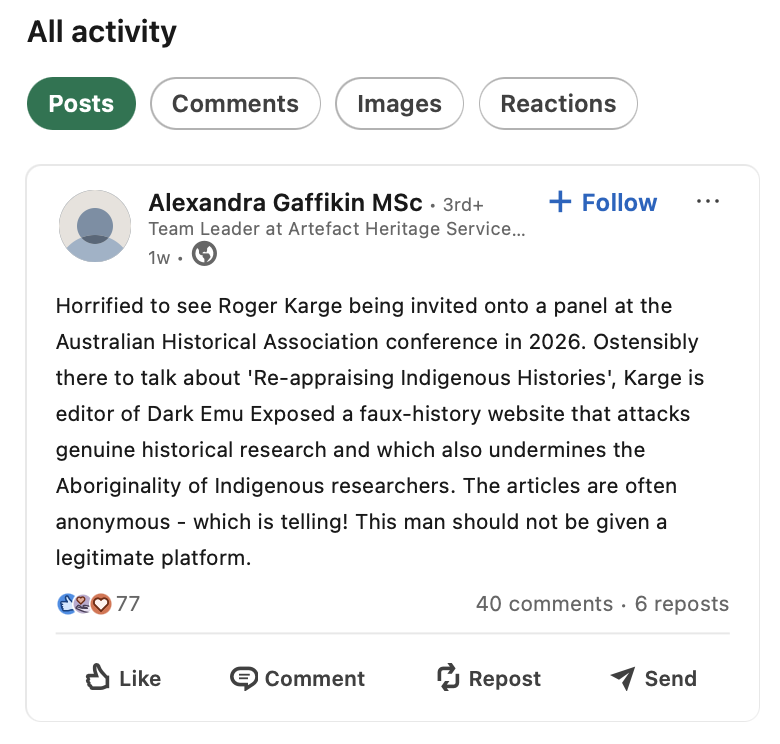
Figure 18
Even the President of the AHA, Professor Michelle Arrow was prompted to join the LinkedIn discussion to present and defend the AHA’s reputation (Figure 19)
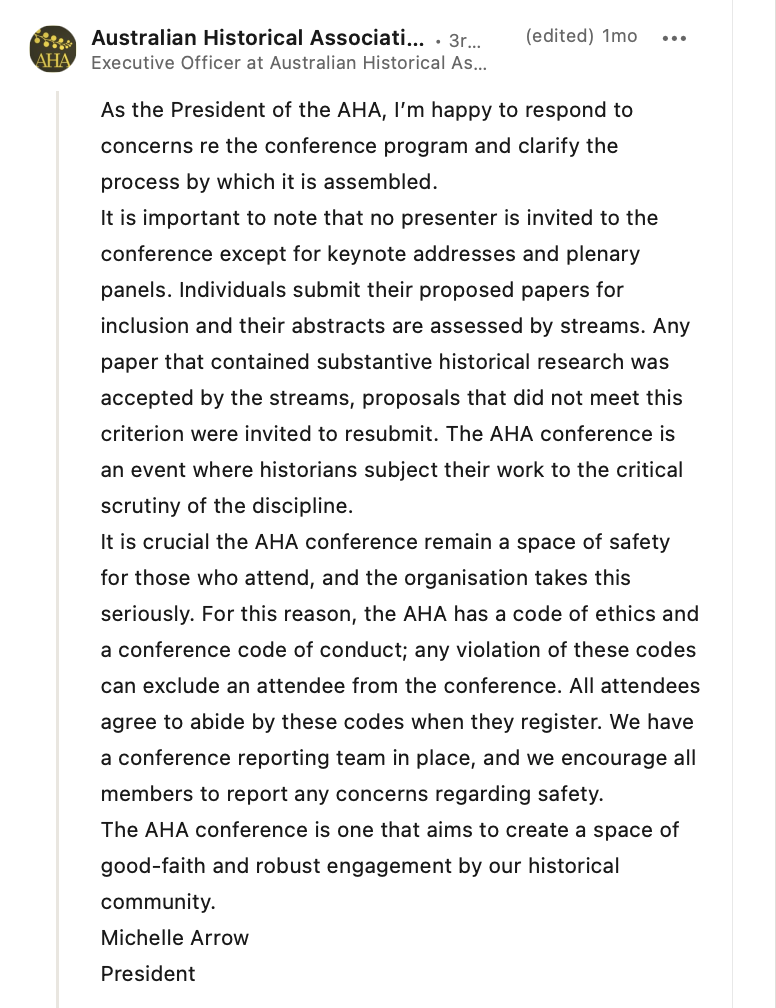
Figure 19
The LinkedIn threads then started to hear the voices of some Aboriginal people, concerned that some of the useful research work at Dark Emu Exposed was being disparaged by this suspension debate (Figures 20 & 21).
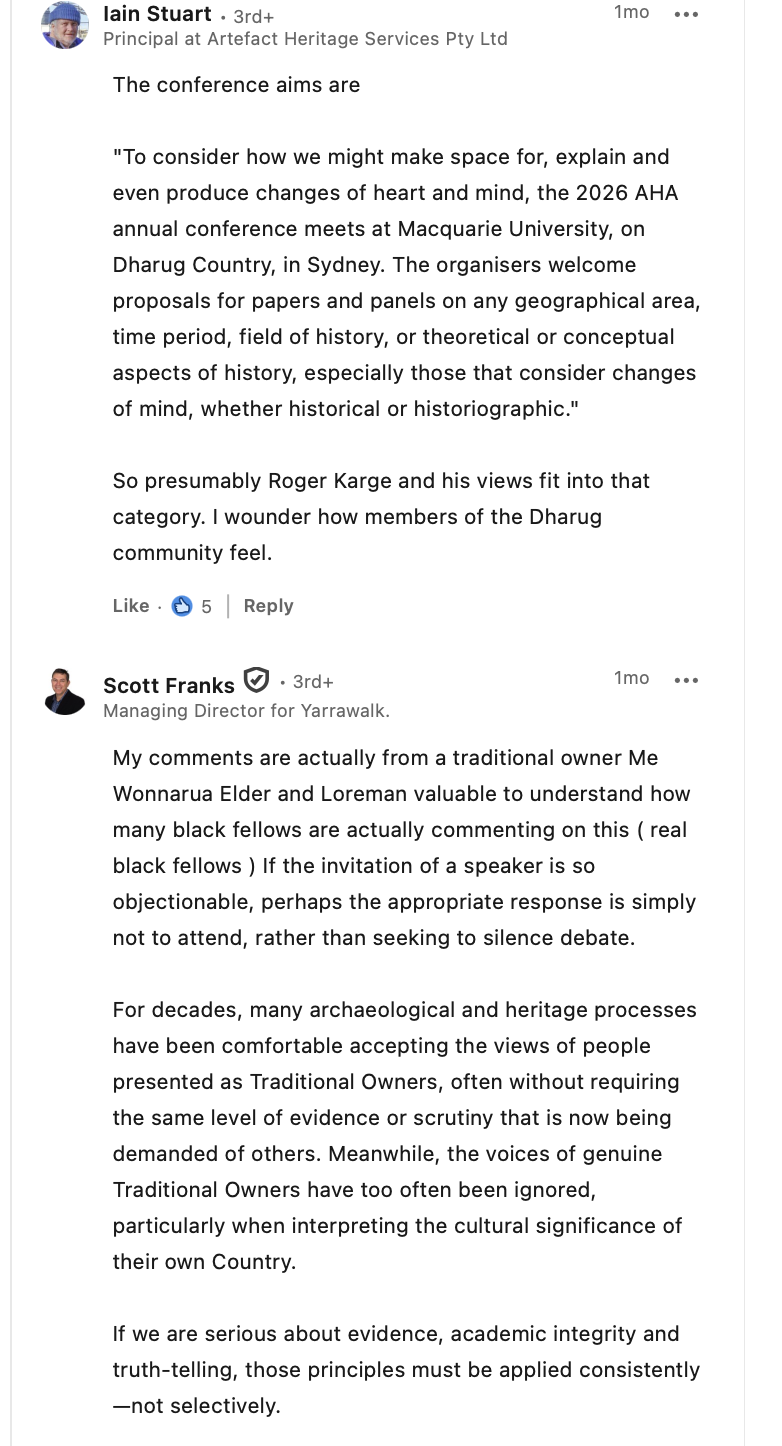
Figure 20
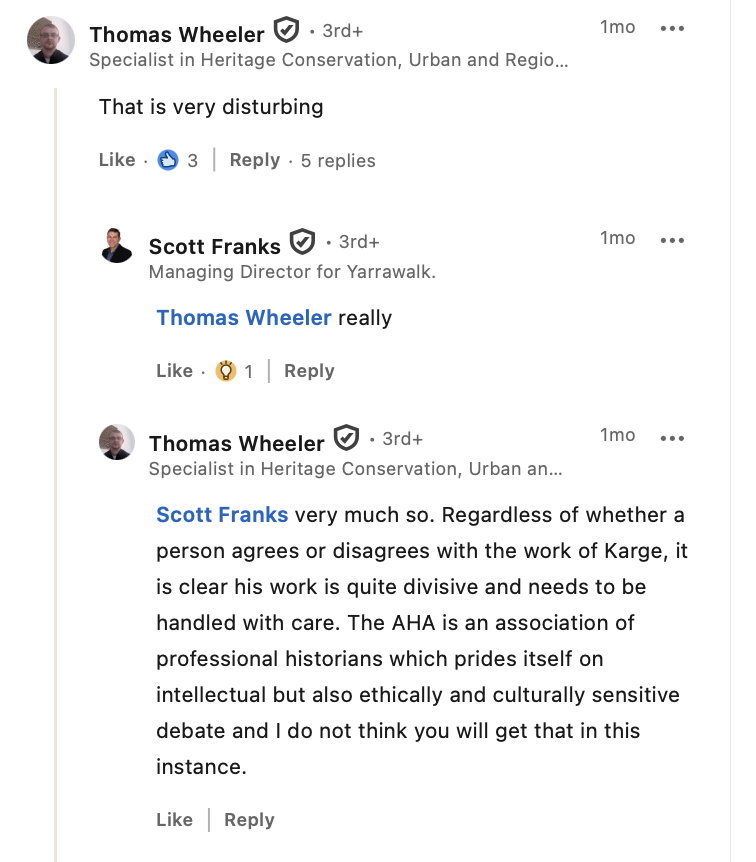
Figure 21
The issue of free speech and the possibility of hypocrisy being shown by the AHA’s stance was raised by some other observers on LinkedIn (Figure 22 & 23):
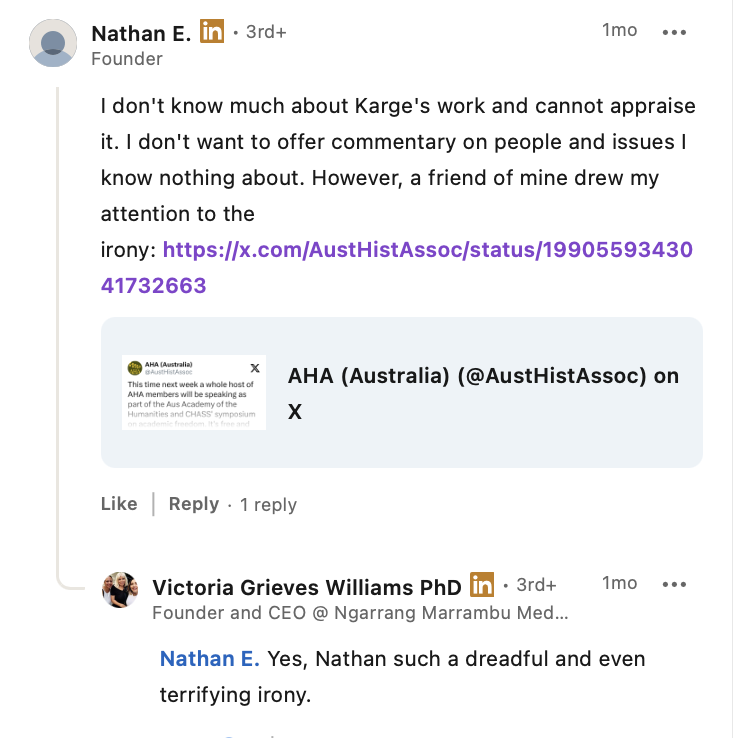
Figure 22
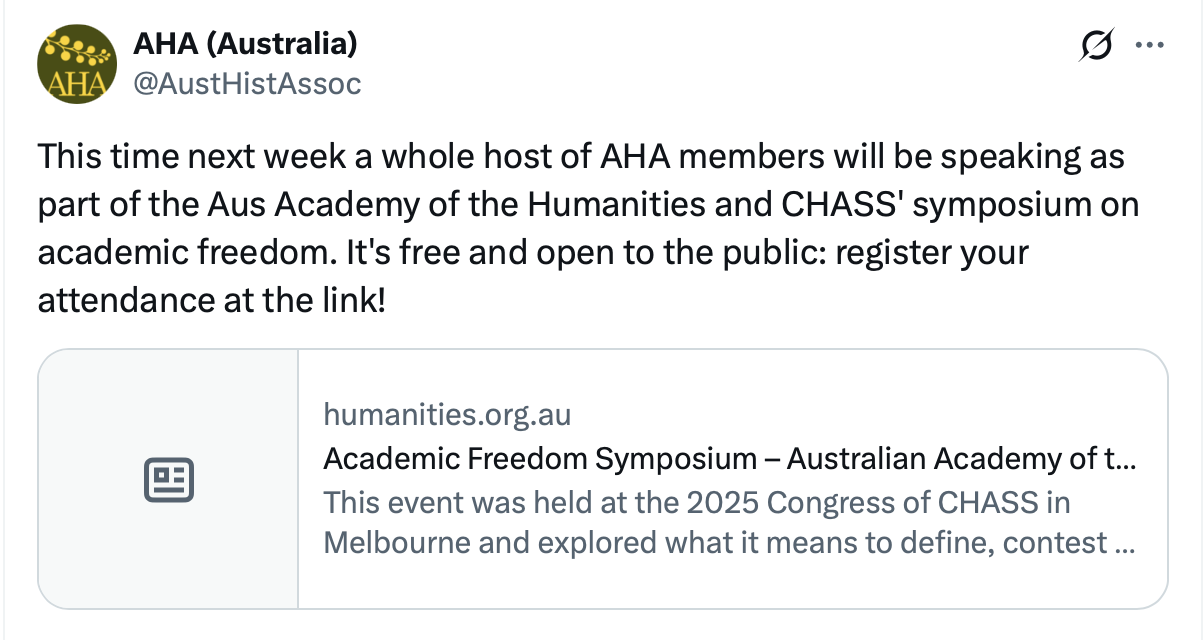
Figure 23
Other Aboriginal people disagreed and debated amongst themselves (Figures 24 & 25):
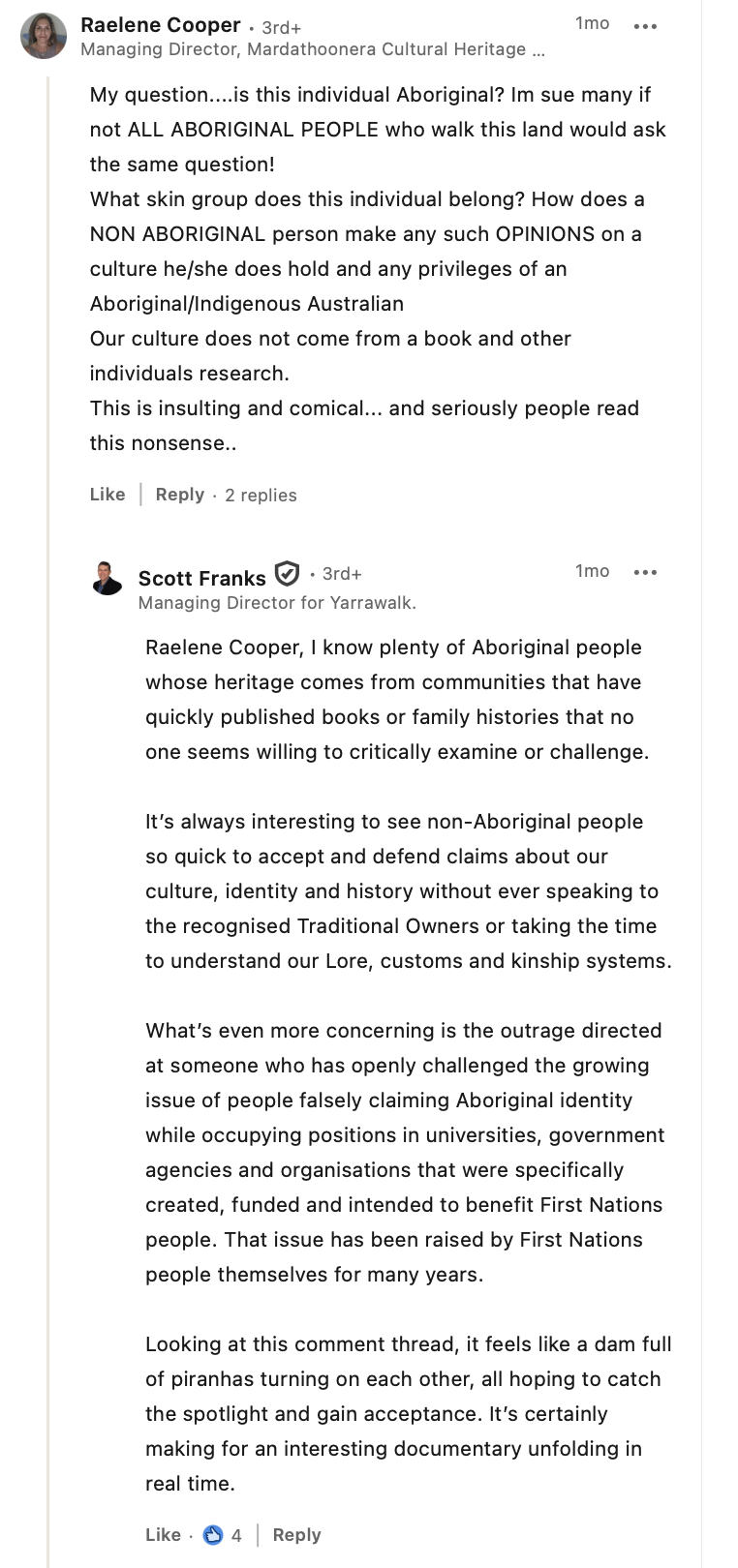
Figure 24
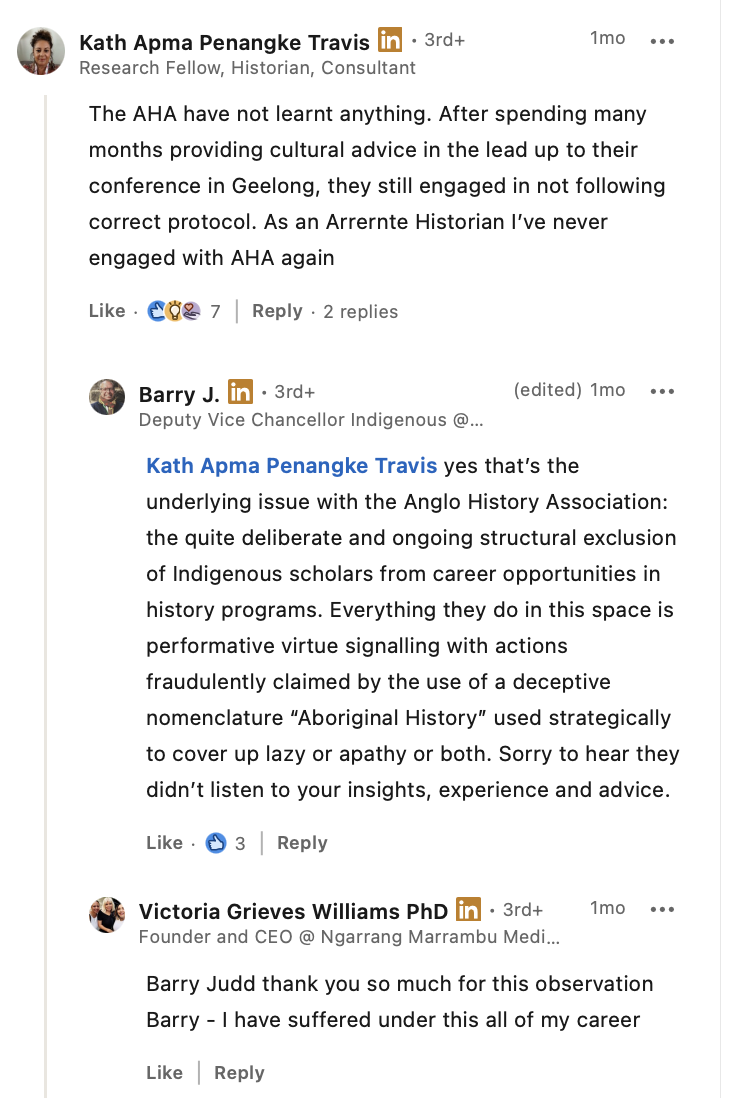
Figure 25
5 - The Suspension Goes Mainstream
By Monday evening the LinkedIn story had come to the attention of the national media. I received an unsolicited email from The Australian’s reporter for Indigenous Affairs, Paige Taylor (Figure 26):
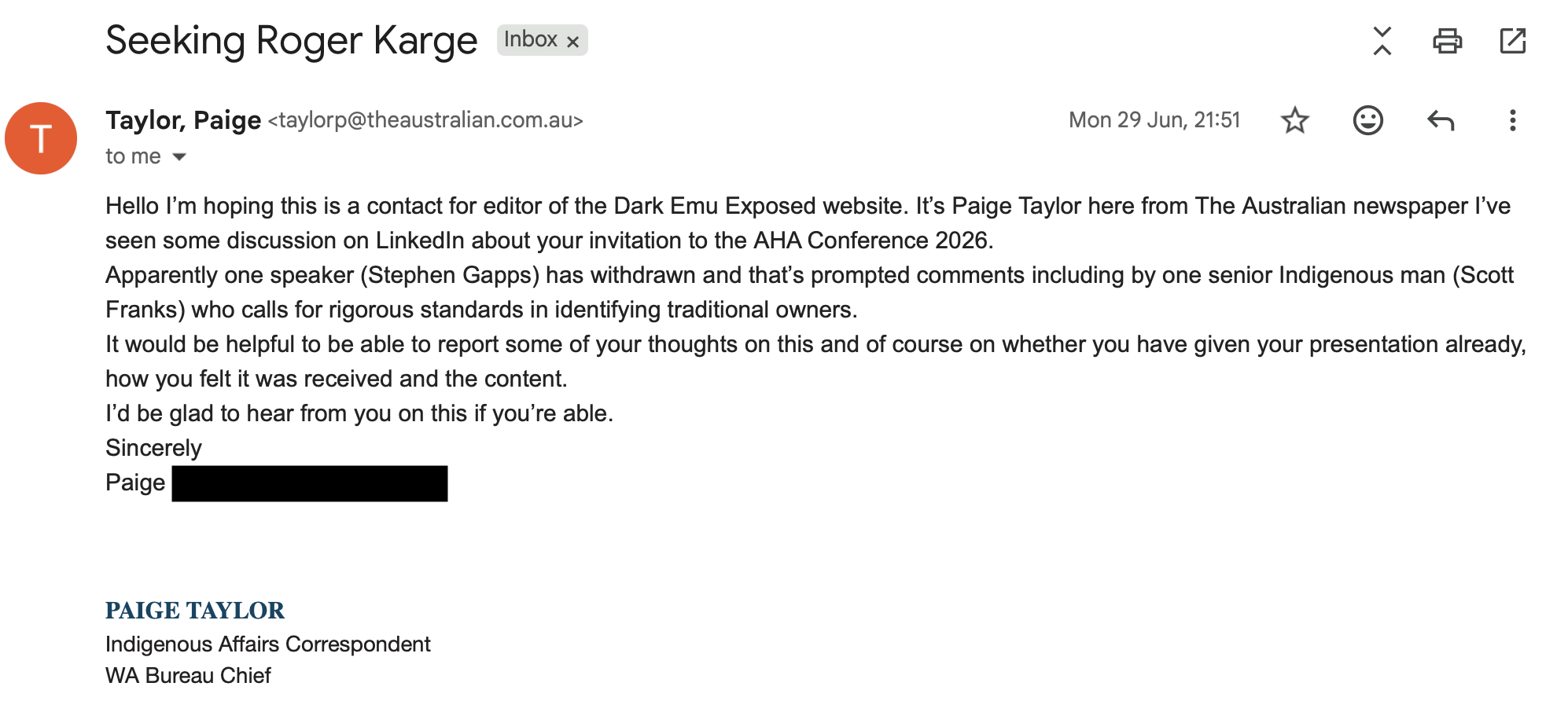
Figure 26
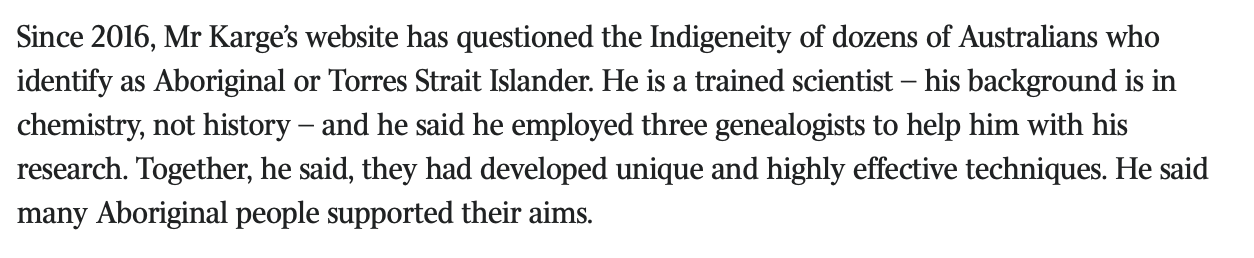
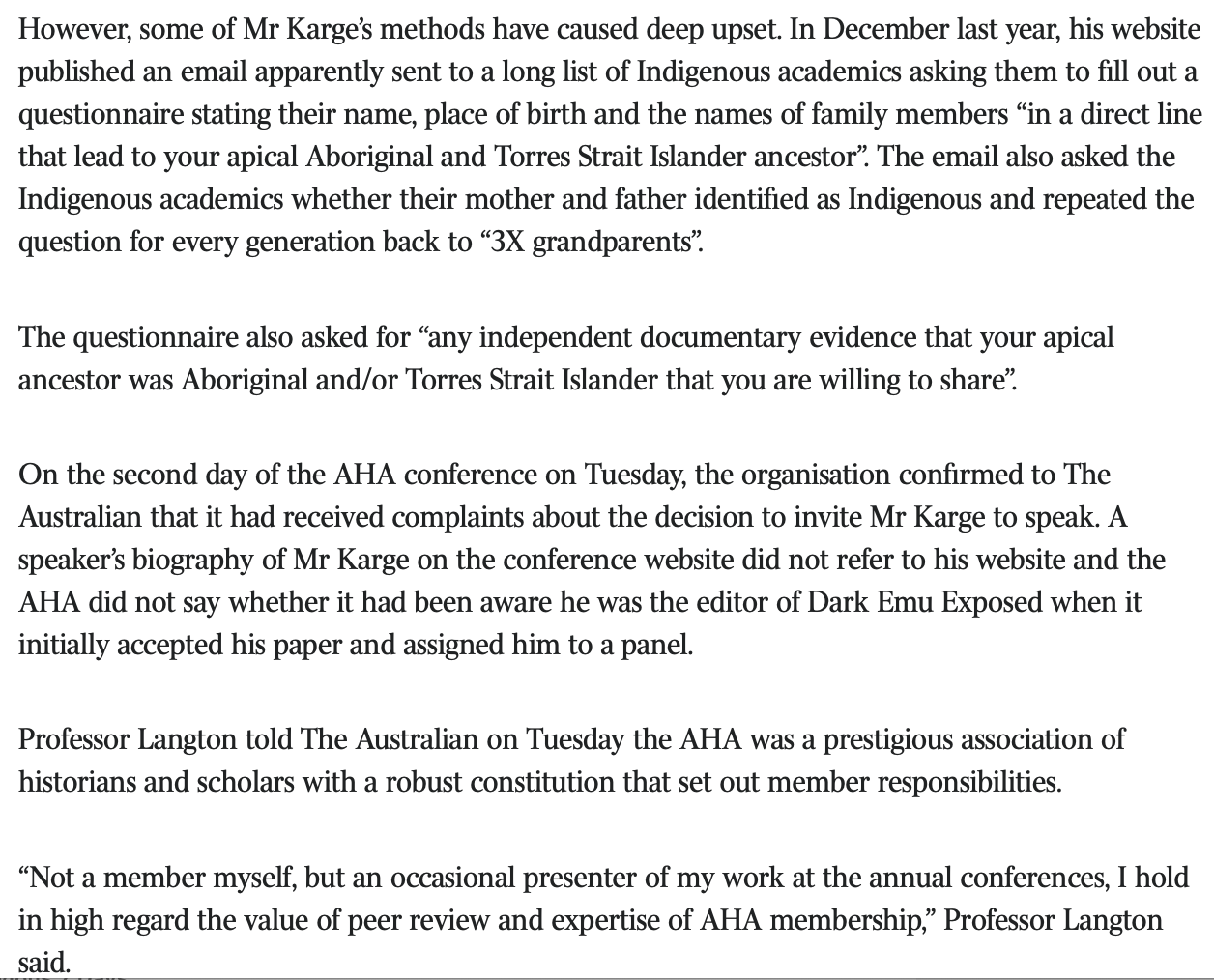
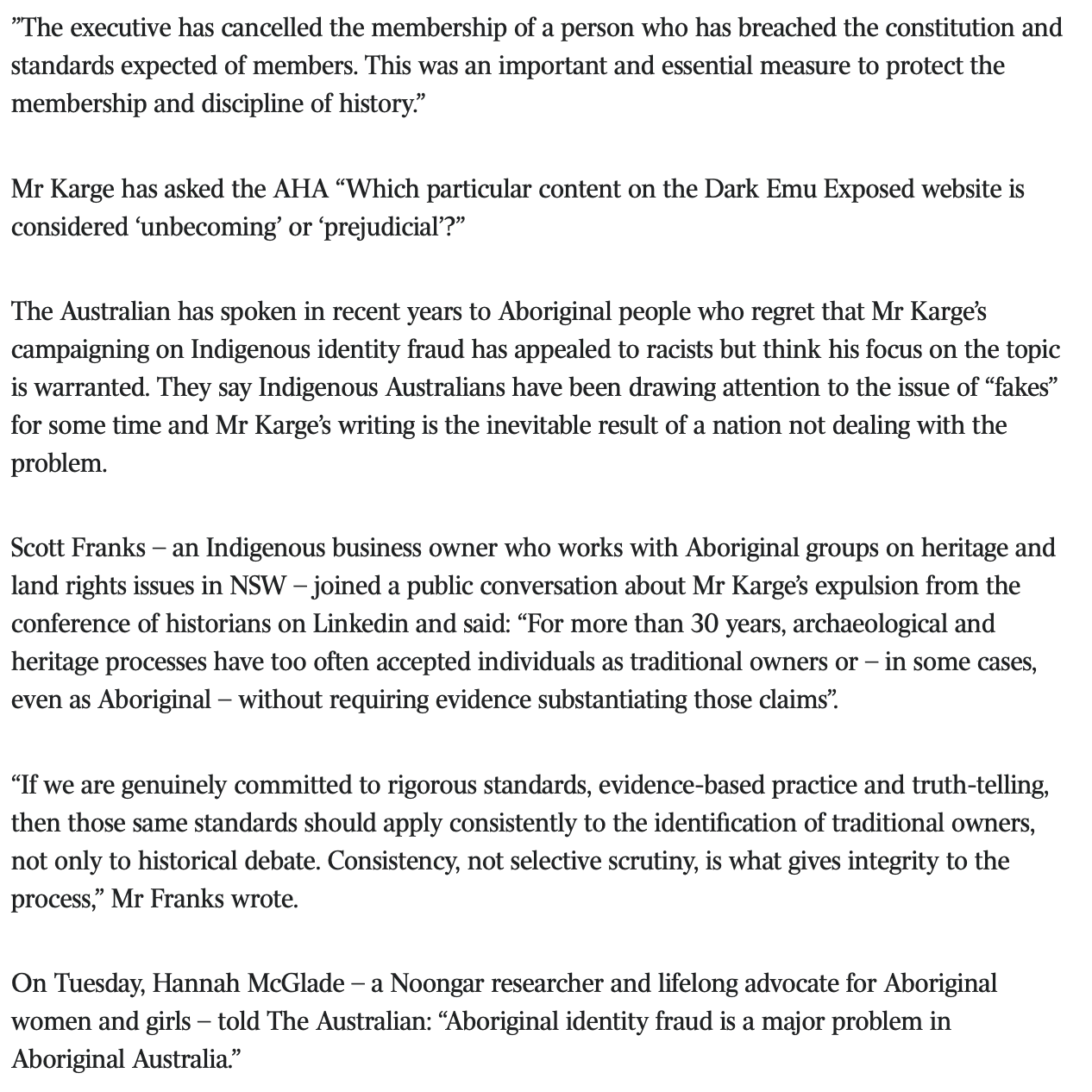
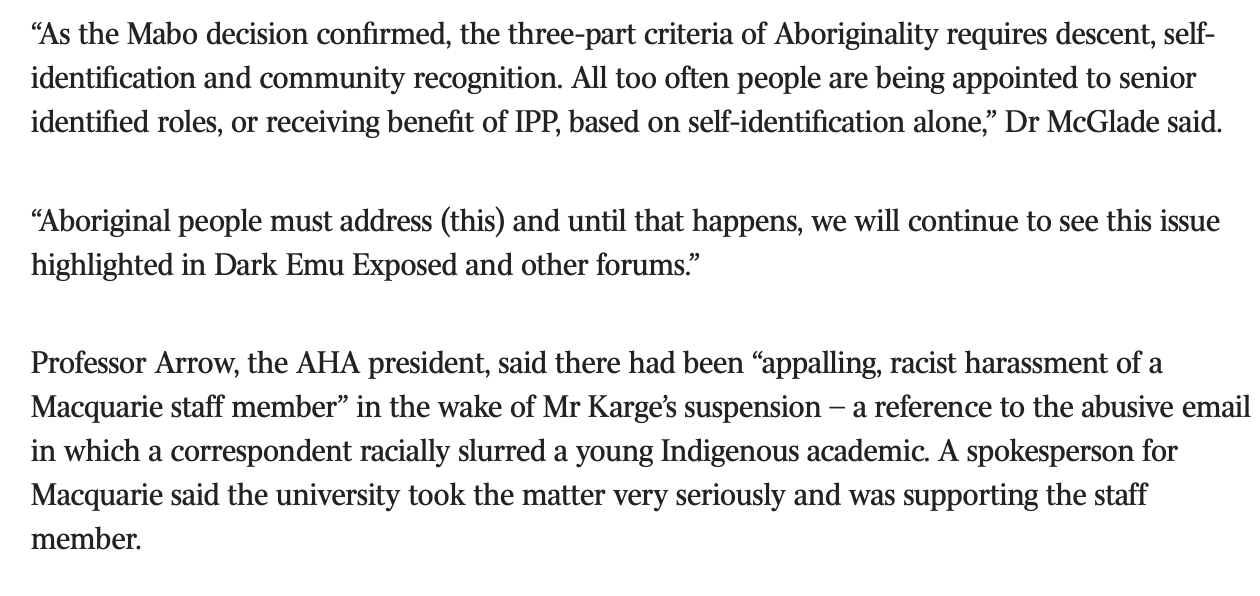
After a couple of long telephone interviews and email exchanges, Taylor’s article appeared online in The Australian on Tuesday 30 June 2026 (Figures 27), collecting over 650 reader comments - a very high number for an on-line article. This indicates the issue was considered passionately by many readers. (Figure 28).
The article was published on page 2 of the broadsheet the following day.
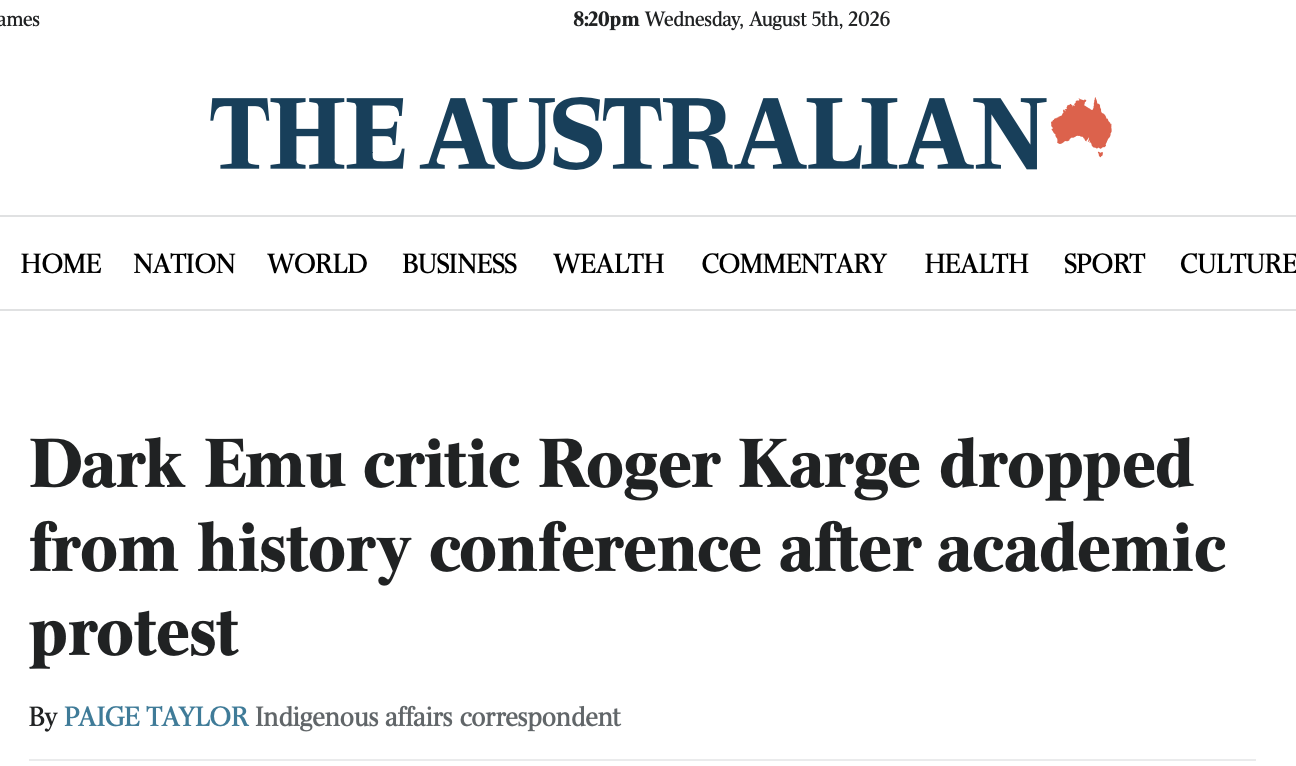
Figures 27 Source: The Australian online Tues 30 June 2016
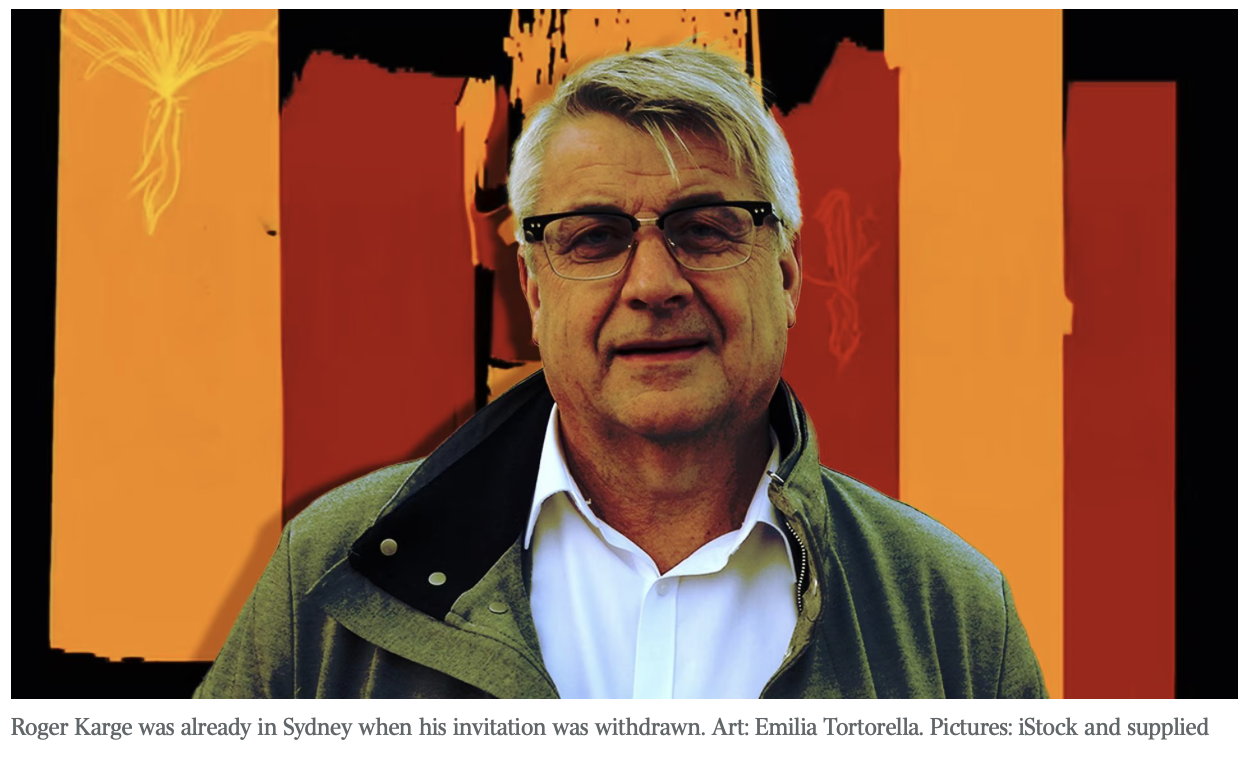
27B
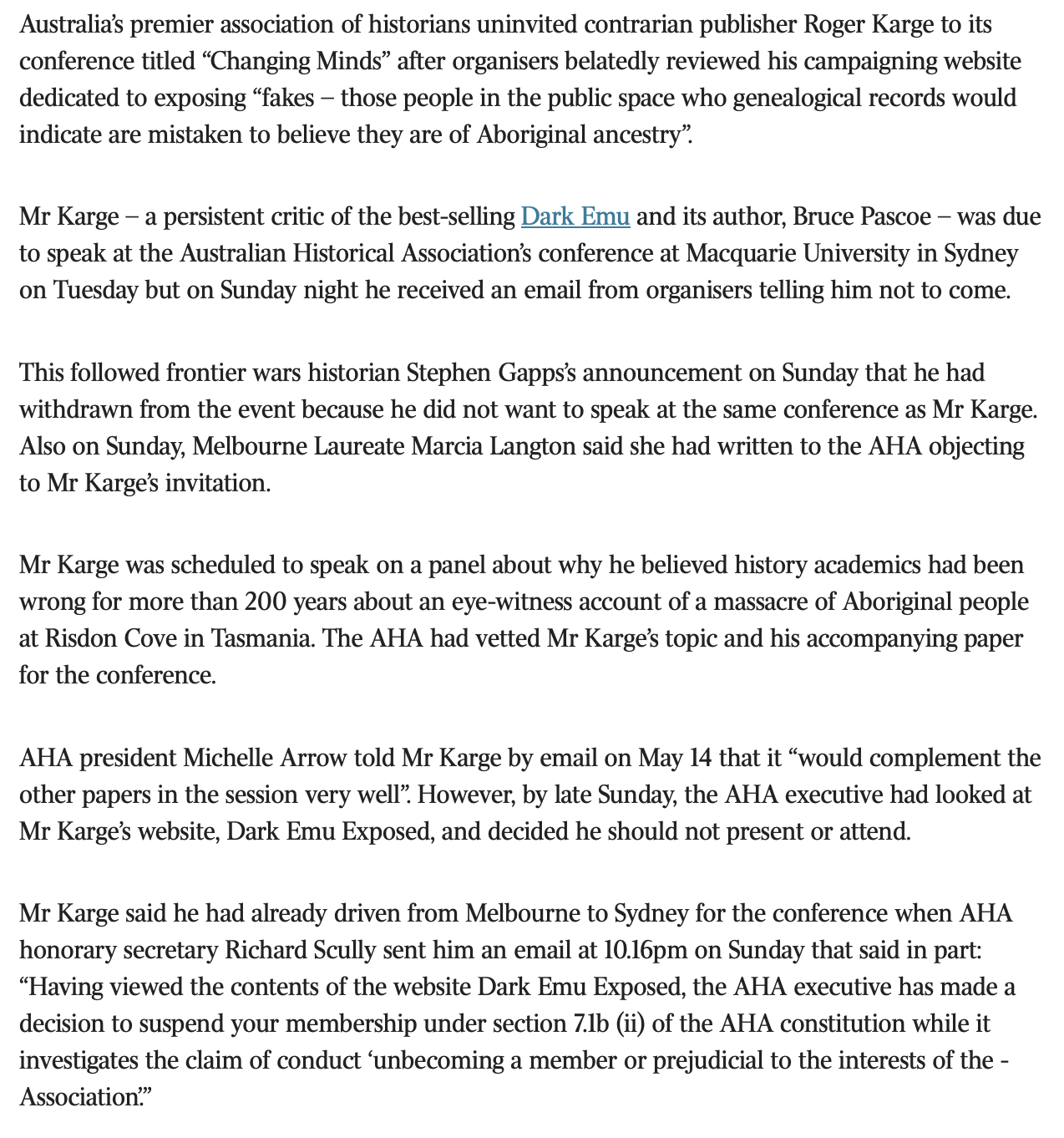
27C
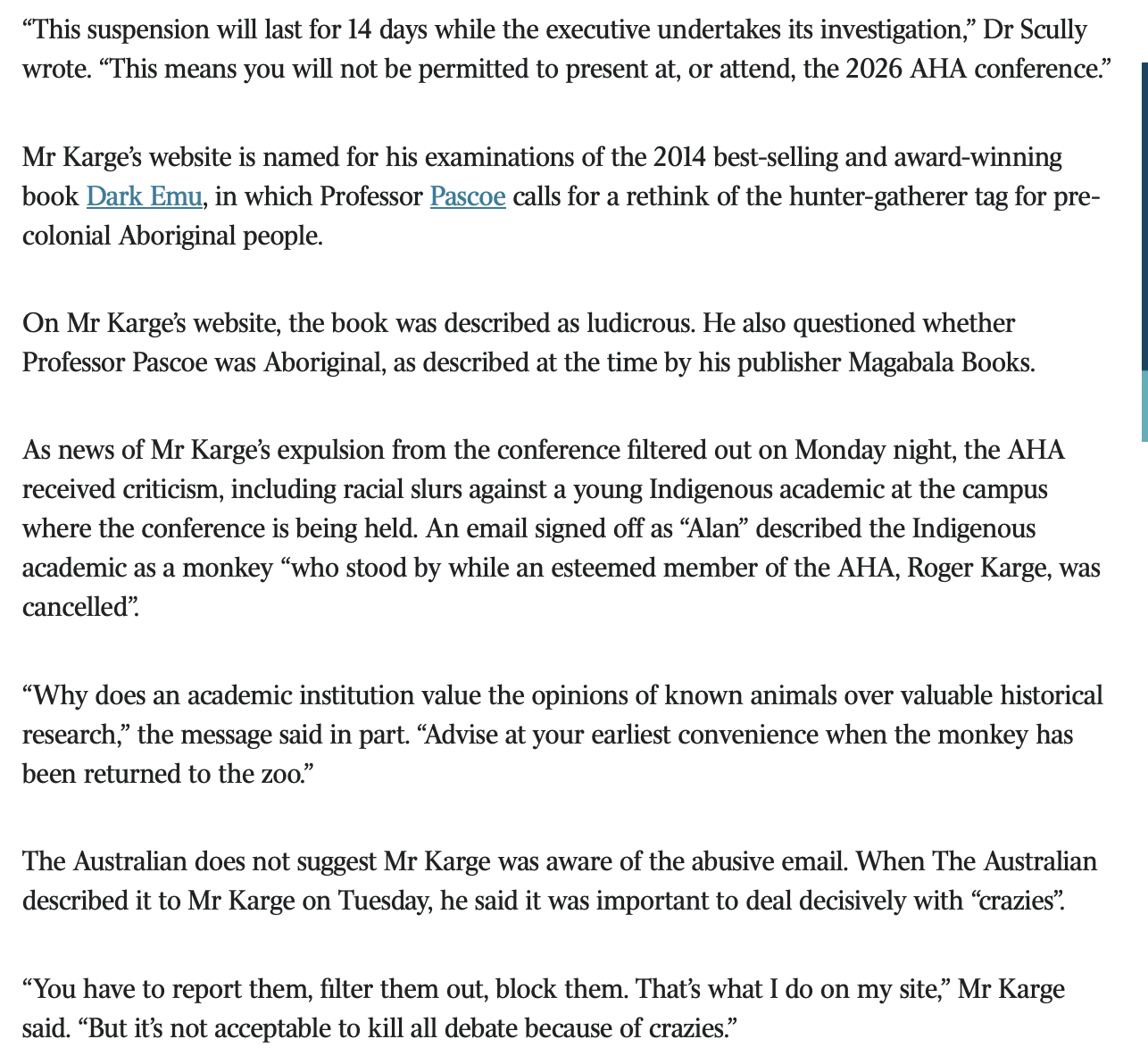
27D
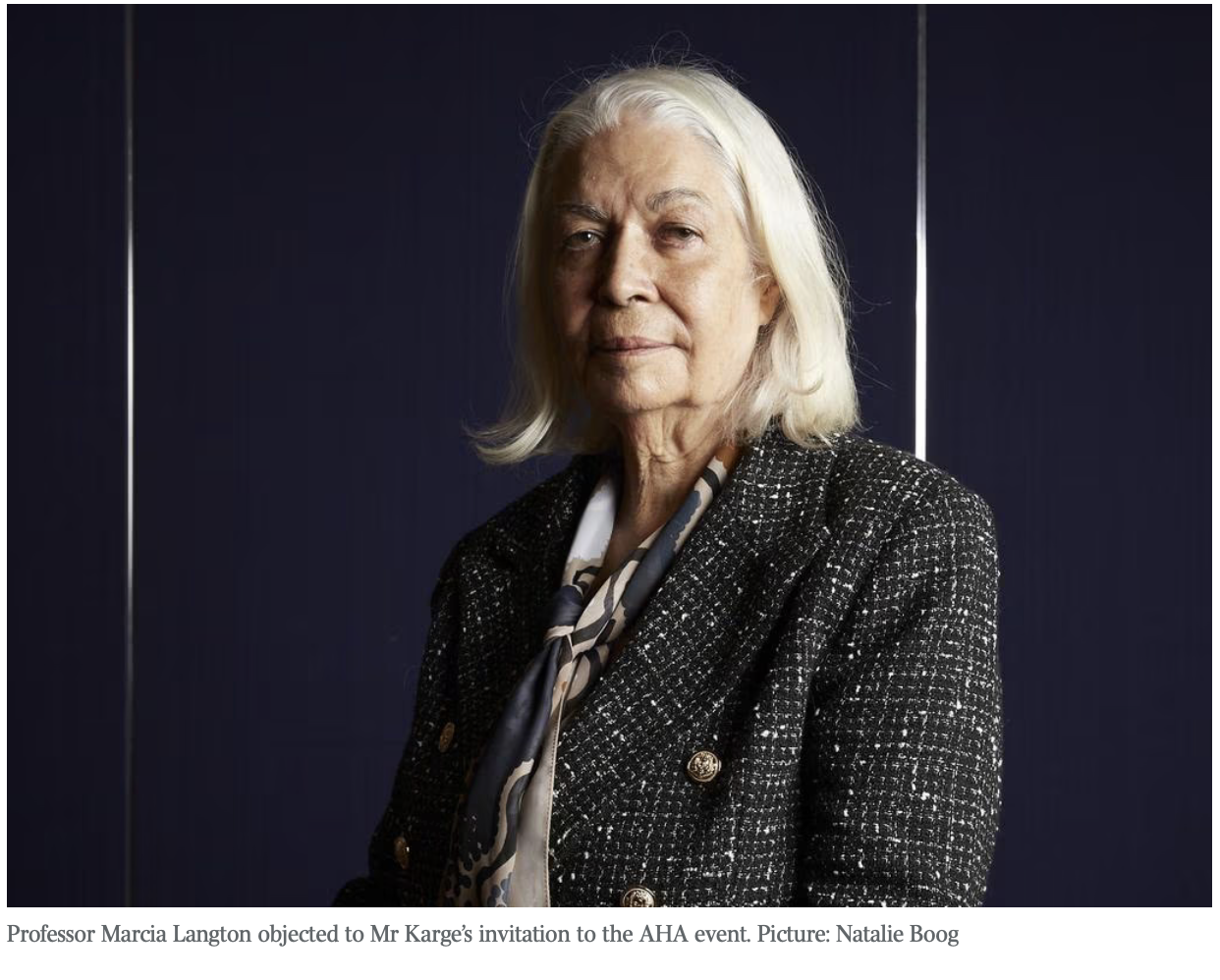
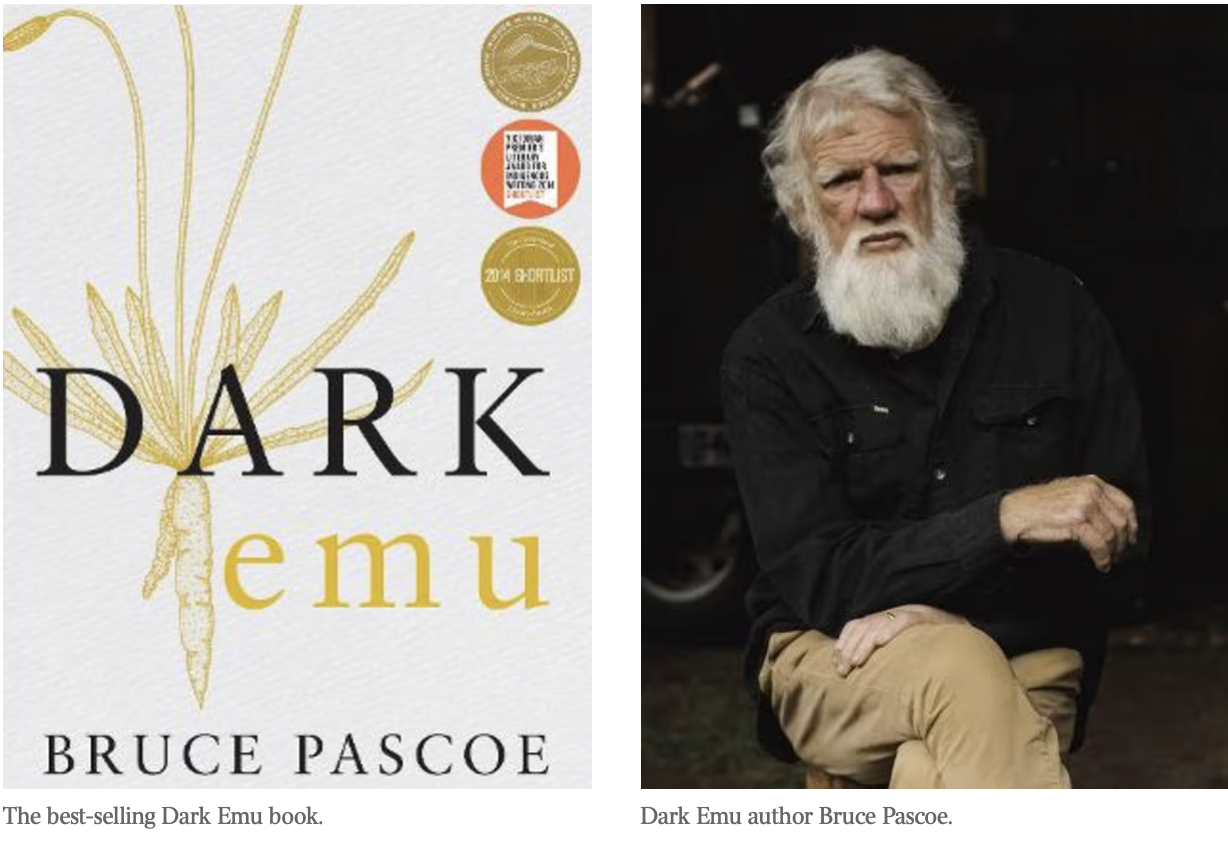
27E
27F
27G
27H
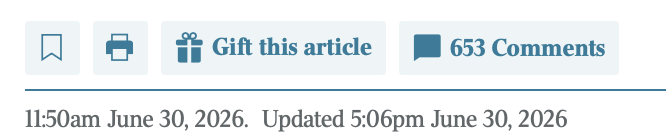
Figure 28 - 653 comments to the online article
The Media
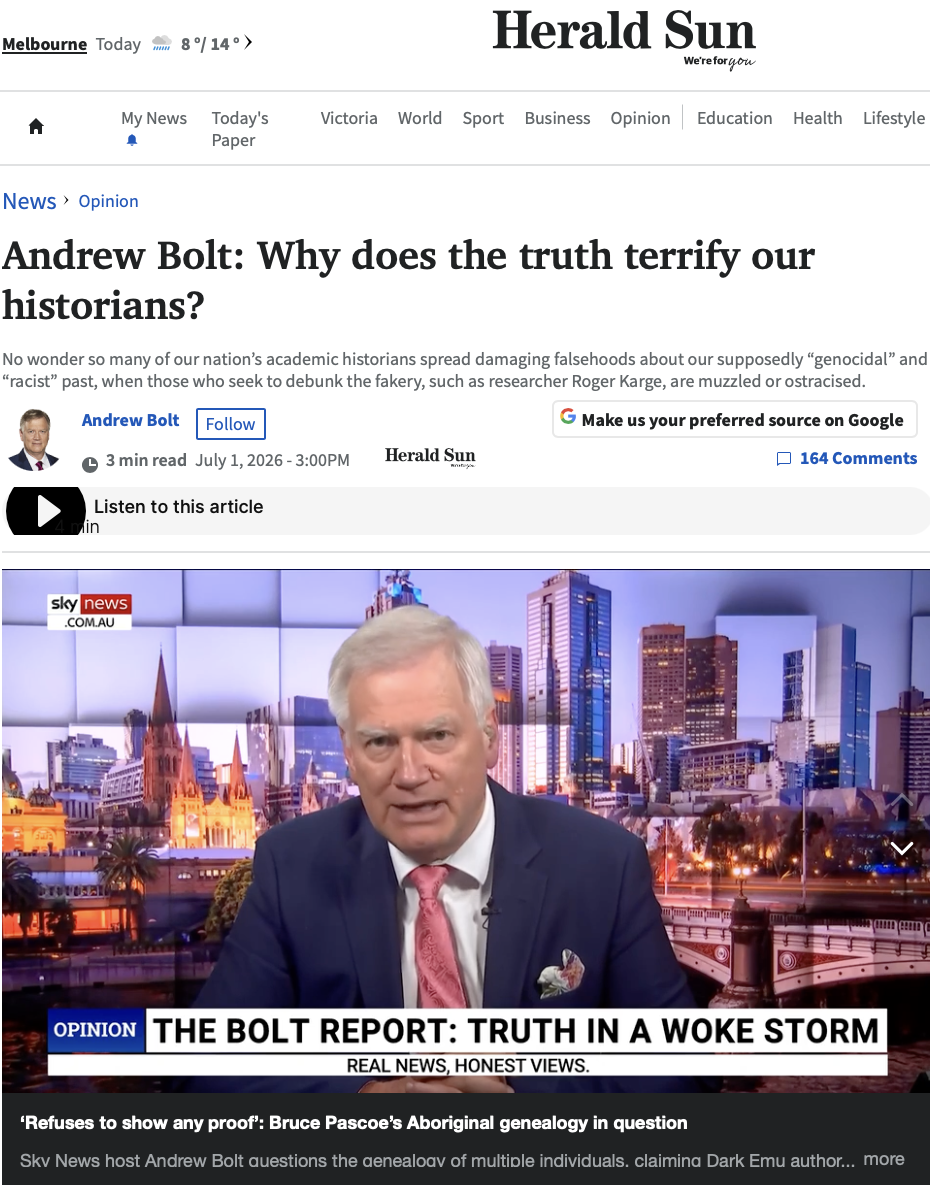
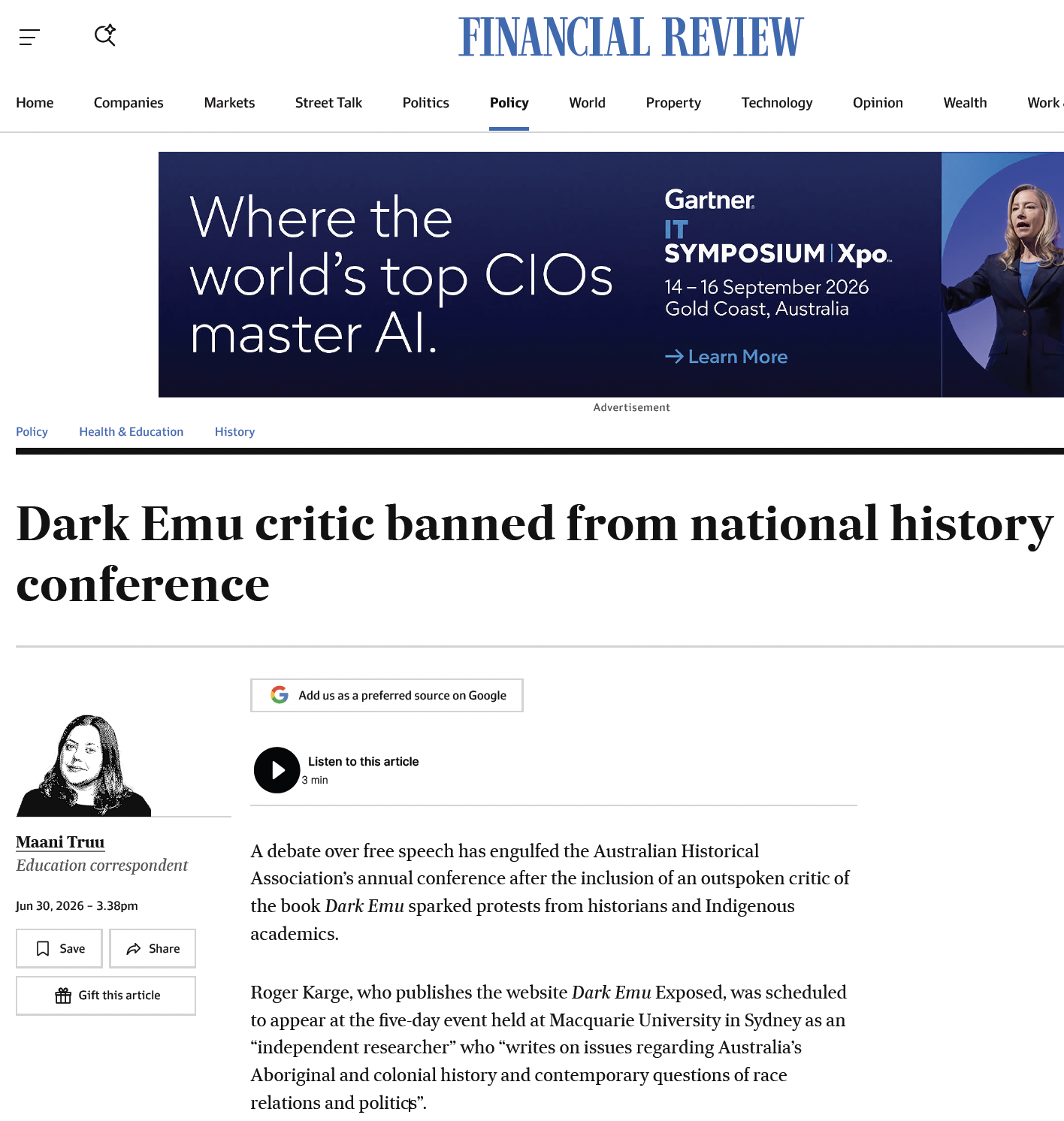
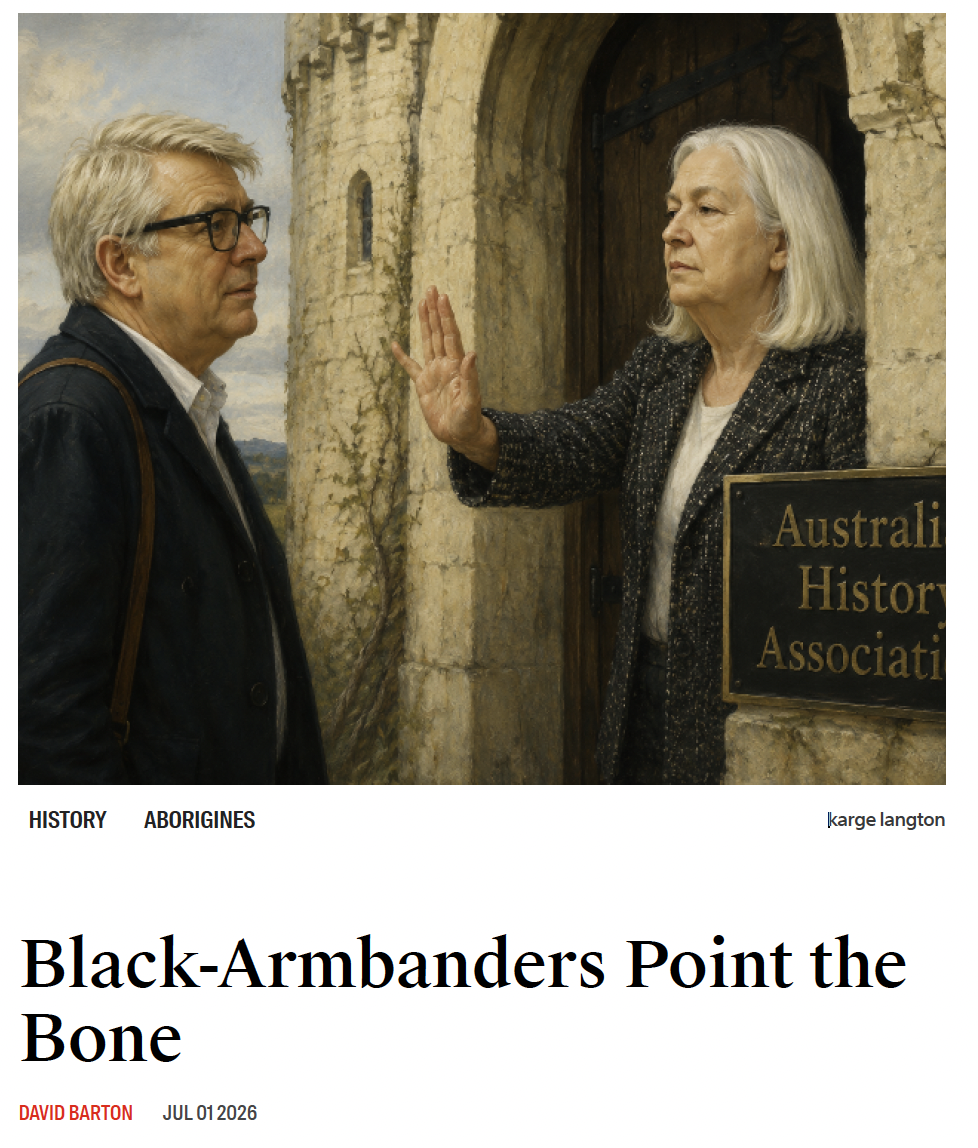
News of the AHA suspension began to move through other media outlets (Figures 29 - 31):
6 - Interview
That week I did an interview on the Bolt Report:
7 - THE ABC
An approach to the ABC to see if they were interested in any comment or an interview with me was discussed but respectfully declined, as their David Marr related (Figure 32):

Figure 32
This decision by the ABC while disappointing, as I believe it denied ABC listeners a chance to have a conversation around free-speech - a topic as critical to those of a Left-leaning mind as to those on the Right - it was at least answered civilly by Marr.
I have had email exchanges with Marr in the past - often very detailed on particular issues of history - and even though we disagreed with each other, at least I could have a civil conversation with the guy.
This makes the walkout by Stephen Gapps all the more surprising and disappointing. As I related in my interview with Bolt, I have bought and studied Gapps’ books and commended him as a very good archival historian - I just happen to disagree with some of his interpretations of what he found in the archives regarding his ‘Frontier War’ thesis.
If I am wrong in my interpretation it should have been easy for a professional historian like Gapps to refute my arguments in print or at the Conference. But he didn’t want to.
Maybe this tells me my research is actually on the right track ?
Part 2 in this Academic Saga will follow shortly.