What do Andrew Bolt and Professor Michelle Arrow Have in Common? They Were Both Fooled by Pat Eatock. - Part 3
What is it about Australia?
A country whose ratio of literary hoaxes to genuine literary successes is so high must surely be guarding a fascinating cultural secret. Or is the Antipodean profusion of writerly tricks merely the result of a publishing scene desperate for a short-cut to establish literary identity?
It is telling that every single one of Australia’s hoaxes involves race…
- Melissa Katsoulis, Telling Tales, A History of Literary Hoaxes, HardiGrant [publisher of Bruce Pascoe] 2010, p 123 [Note 1]
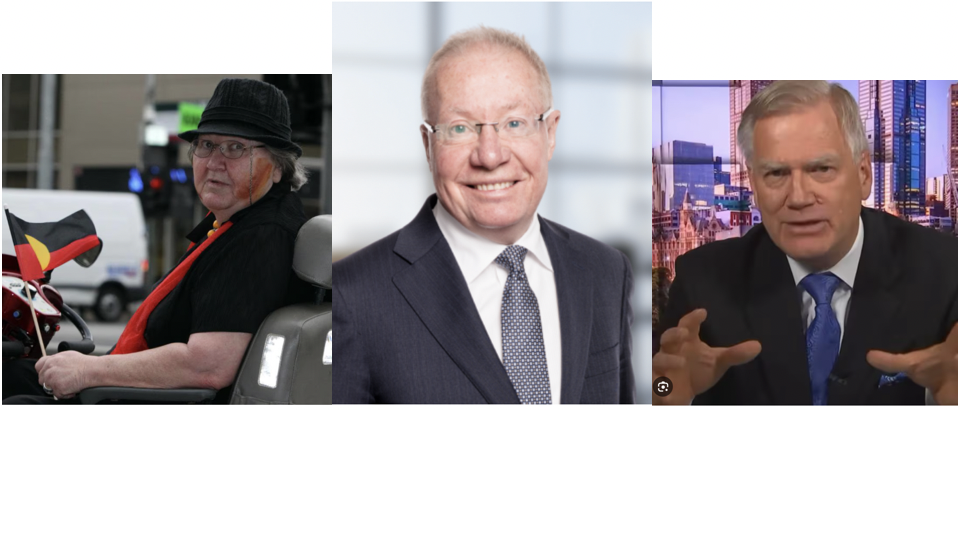
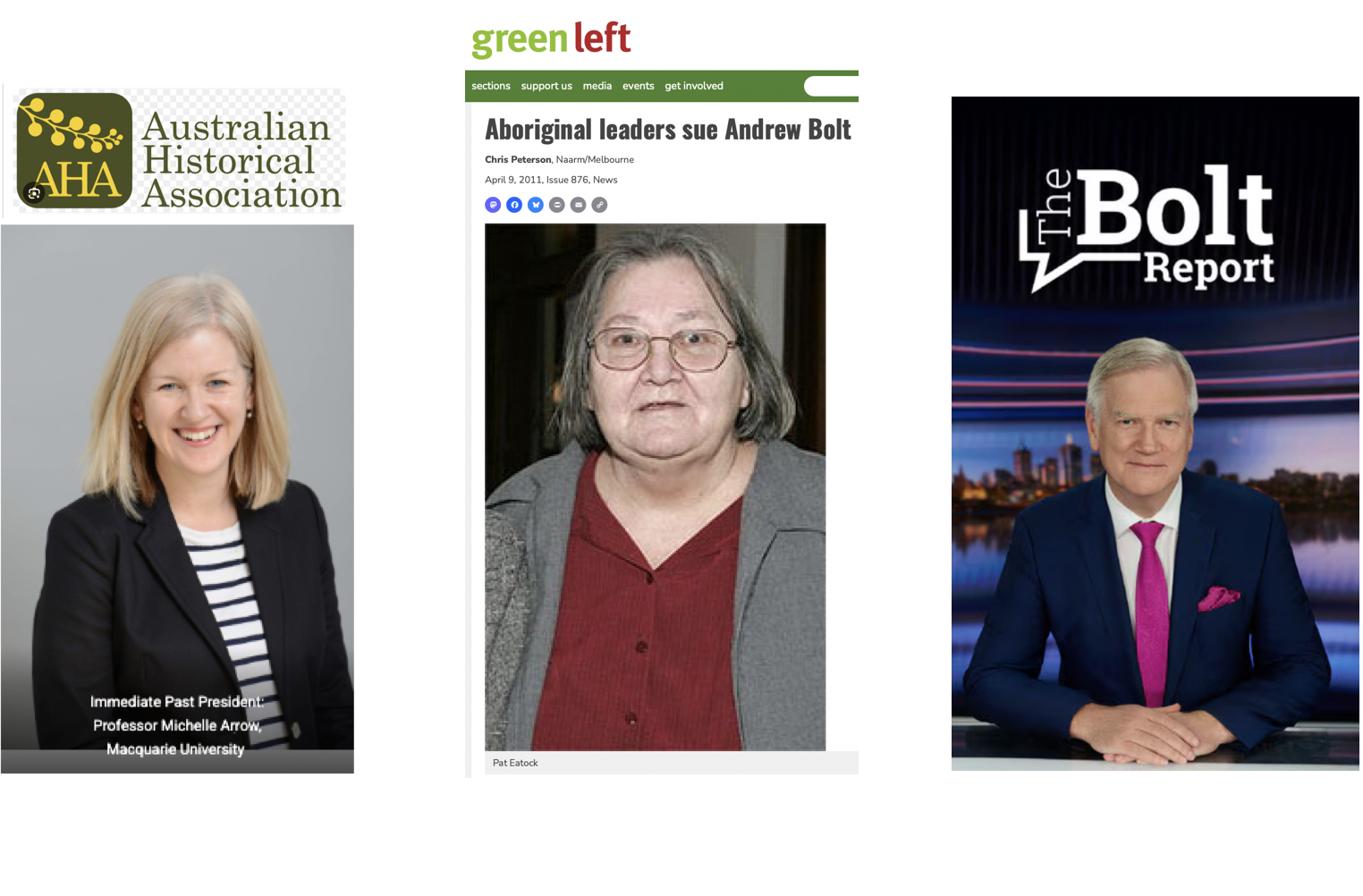
What on earth could News24 journalist Andrew Bolt and one of Australia’s leading history Professor’s, Michelle Arrow, have in common?
Well, both were fooled by a “hoaxer” - the late Pat Eatock, a Communist Party member who faked her own Aboriginal identity,
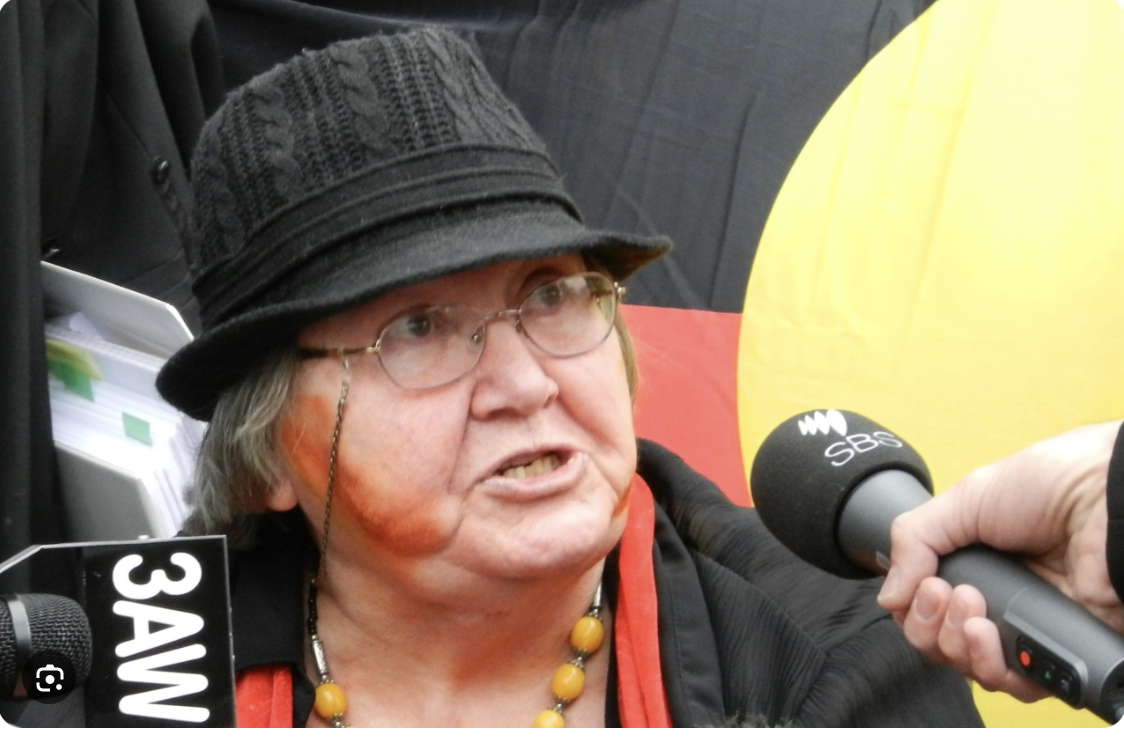
Figure 1. - Self-claiming ‘Aboriginal’ activist Pat Eatock outside Federal Court in 2011 after Bolt’s court defeat. Source
But only one of them, Andrew Bolt, has come to terms with this hoax and is willing to admit it:
Thirteen years ago Pat Eatock sat in a courtroom and claimed I had intimidated, humiliated and insulted her by writing she was a “white Aboriginal”. If only I’d known then I’d been stitched up.
- Andrew Bolt, New evidence exposes Pat Eatock's tall tale, Herald Sun, 11 Sept 2024
Professor Michelle Arrow was similarly fooled by Eatock, but she has yet to come to terms with it publicly.
According to her Macquarie University biography, the professor is an historian with particular expertise in cultural history, the history of popular culture, and the history of the women's movement.
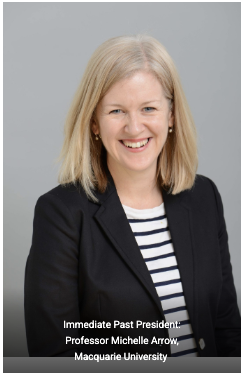
Figure 2 - Past President of the Australian Historical Association (AHA) Professor Michelle Arrow. Source
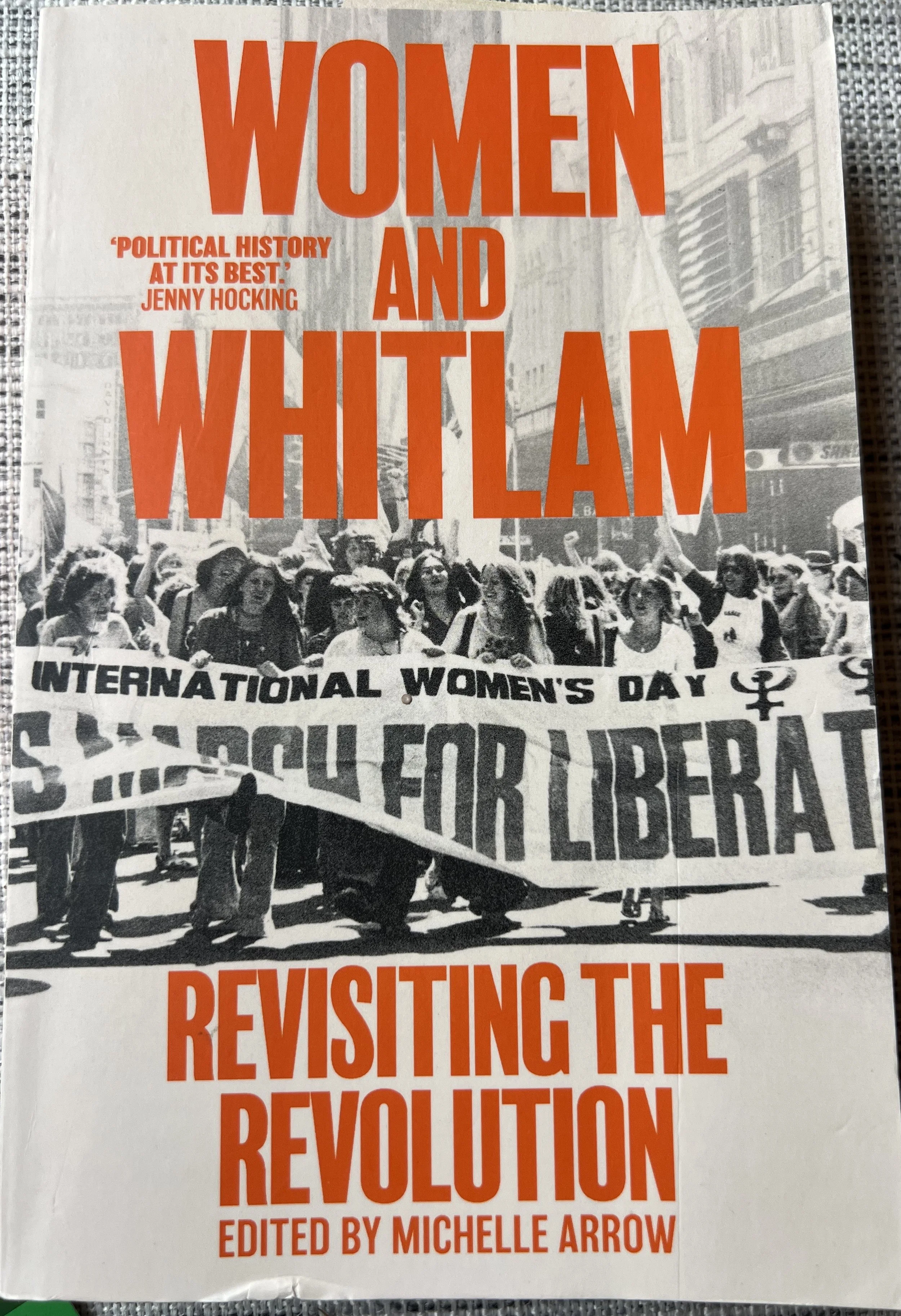
Figure 3 - Source
In two of her books, Professor Arrow presents Pat Eatock’s life as that of an Aboriginal activist and feminist.
Although Arrow acknowledges that doubts were voiced in some quarters as to the authenticity of Eatock’s self-claimed Aboriginality, she discounts those concerns even when they were voiced by Eatock’s own family.
For example, in her book Women and Whitlam - Revisiting the Revolution (2023), Arrow goes into some detail regarding public claims that Eatock was not actually Aboriginal:
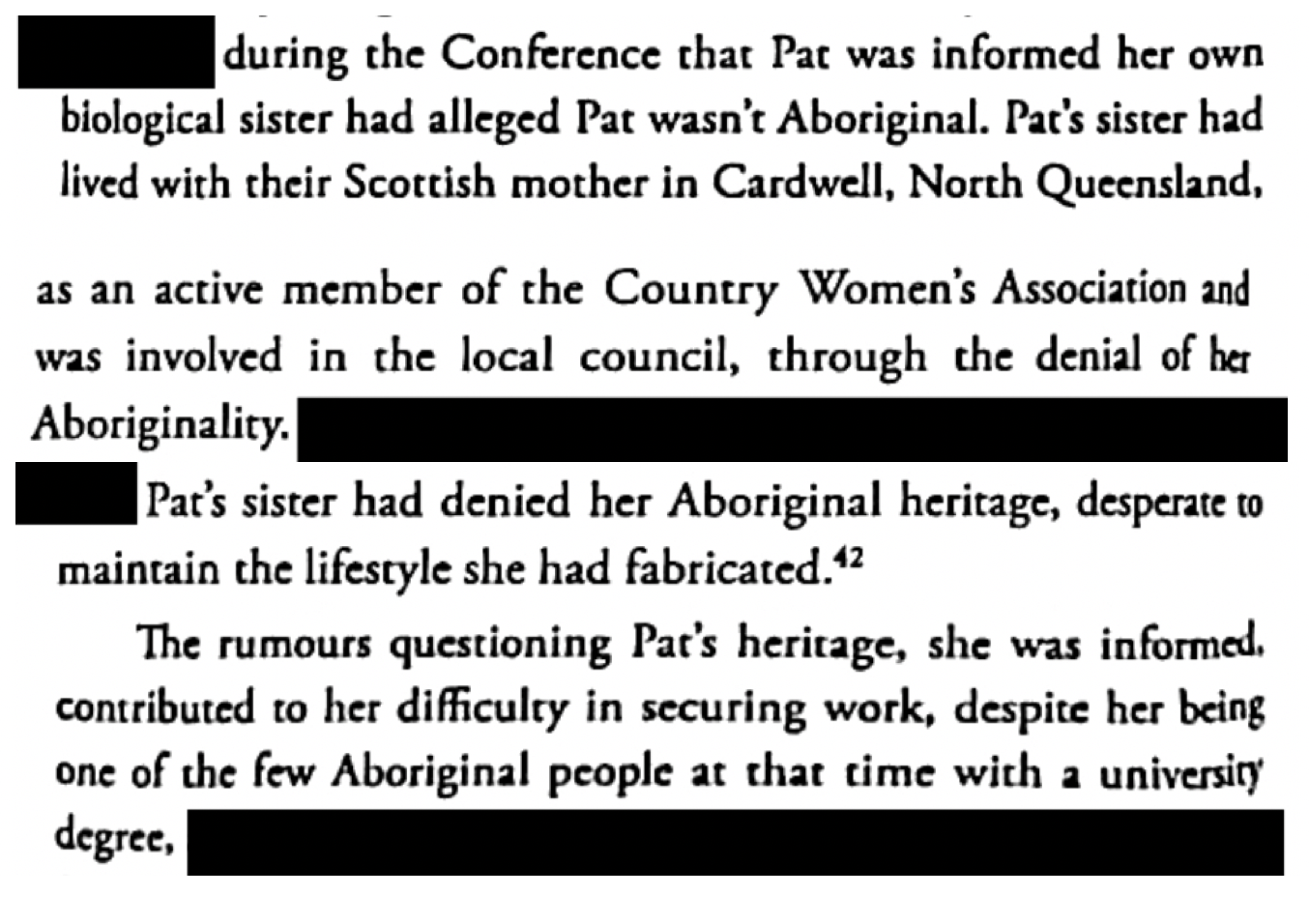
Figure 4 - Extract from Professor Arrow’s book, Women and Whitlam, indicating skepticism by others, and a full denial by her own sister and mother, that Pat Eatock was Aboriginal. Source: Arrow, M. Women and Whitlam, 2023, p63
Despite these doubts, Professor Arrow gives Eatock an uncritical platform to consolidate the fabricated tale of her Aboriginal ancestry (Figure 5):
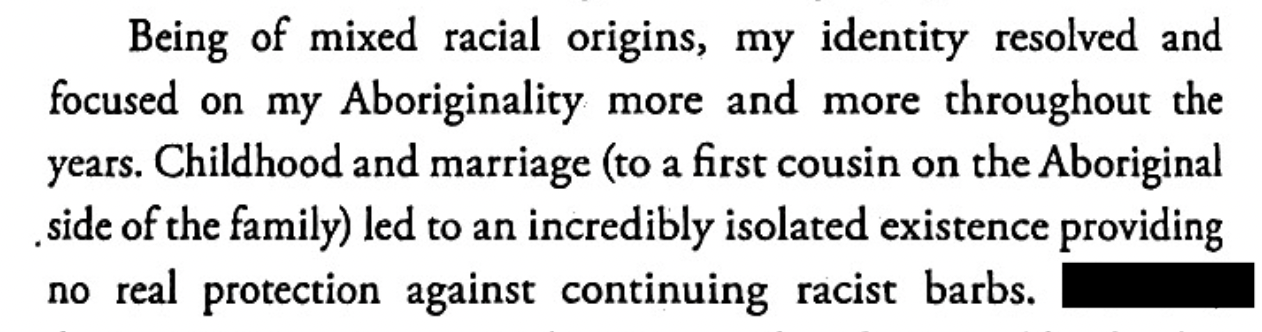
Figure 5 - Pat Eatock was given free space in Michelle Arrow’s “Women & Whitlam” anthology to declare her Aboriginality with no critical reflection by Arrow. Source: Arrow, M. , Women and Whitlam, 2023, p66
And again Professor Arrow uncritically comes to Eatock’s defence as an ‘Aboriginal’, after Eatock fails to gain secure employment (Figure 6):
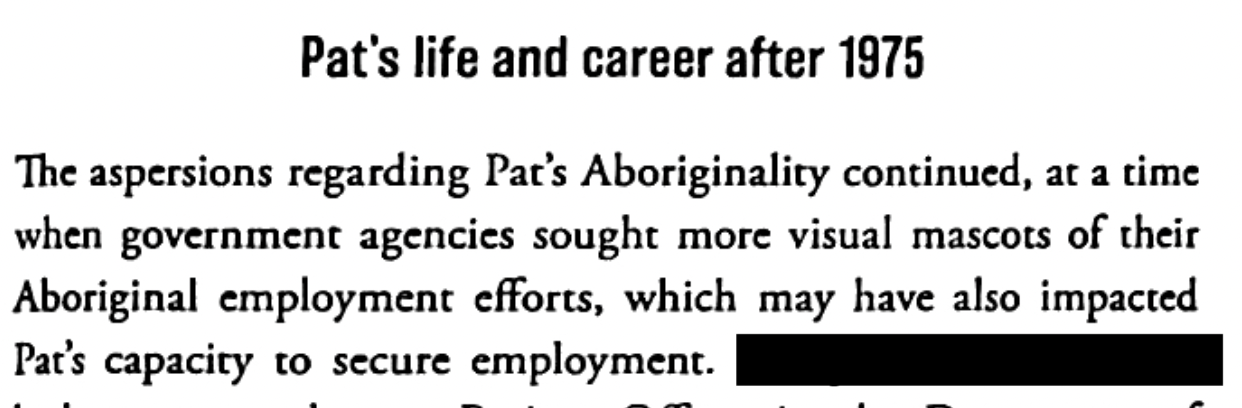
Figure 6 - Source: Arrow, M. , Women and Whitlam, 2023, p73
Professor Arrow also had ample opportunity to critique Pat Eatock’s claims of her Aboriginality in another book: The Seventies, The personal, the political and the making of modern Australia, 2019 (Figures 7, 8 & 9).
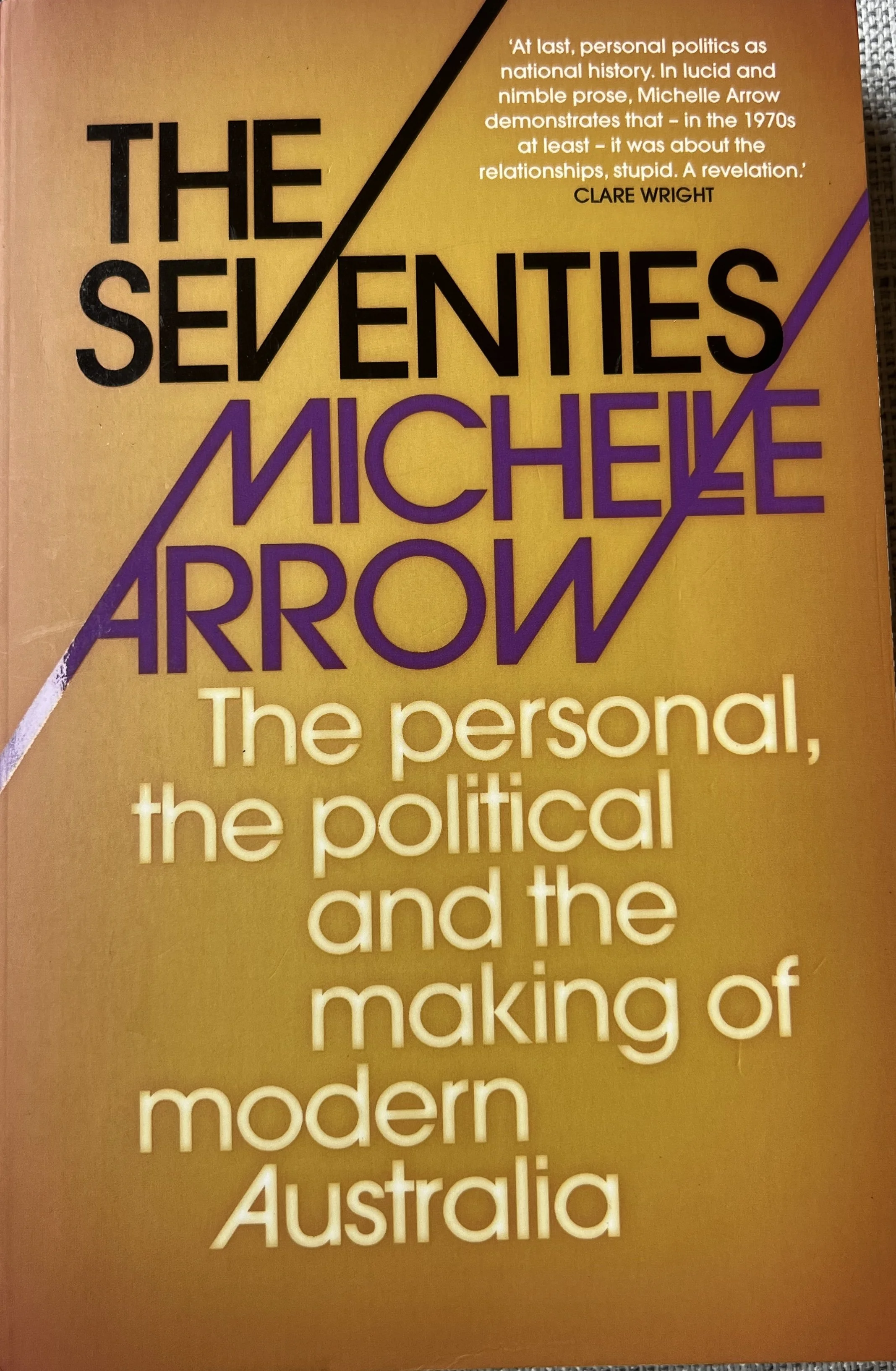
Figure 7 - Source
However, once again, Arrow just publishes Eatock’s claims to Aboriginality with no reflection or critical analysis as to how absurd those claims were (Figure 8):
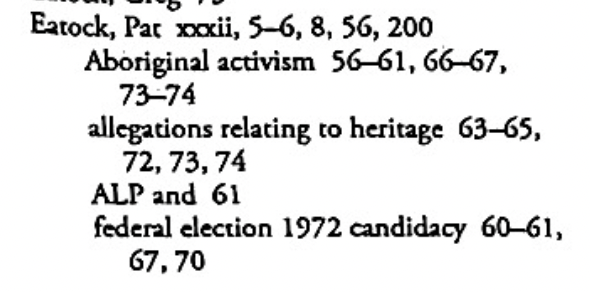
Figure 8 - Index of “The Seventies” book showing acceptance of discussion of Pat Eatock’s “allegations relating to heritage.” Source
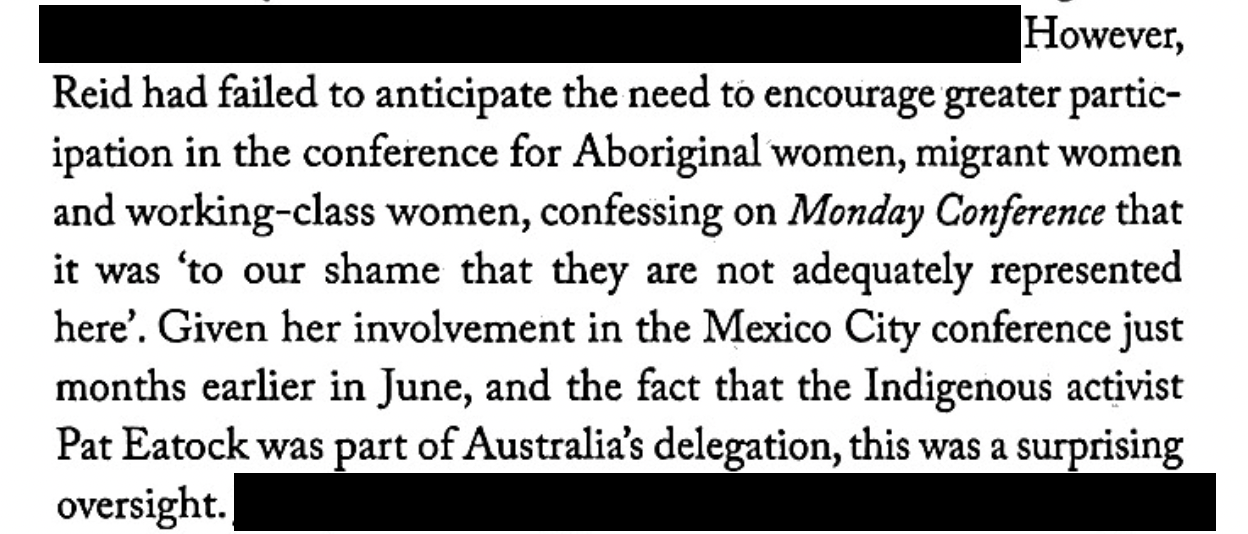
Figure 9 - Extract of text by Prof. Arrow on Pat Eatock. Source: Arrow, M., The Seventies, The personal, the political and the making of modern Australia, 2019
Professor Arrow won the 2020 Ernest Scott Prize for History for her Seventies book, despite it clearly being based on a Communist Party member who faked her Aboriginality.
Professor Arrow and the Eatock v Bolt 2011 Case
Professor Arrow documented in her 2023 book, Women and Whitlam, that the “most satisfying endeavour in the later part” of Pat Eatock’s life was, “winning a racial discrimination case in 2011 against journalist Andrew Bolt” (Figure 10):
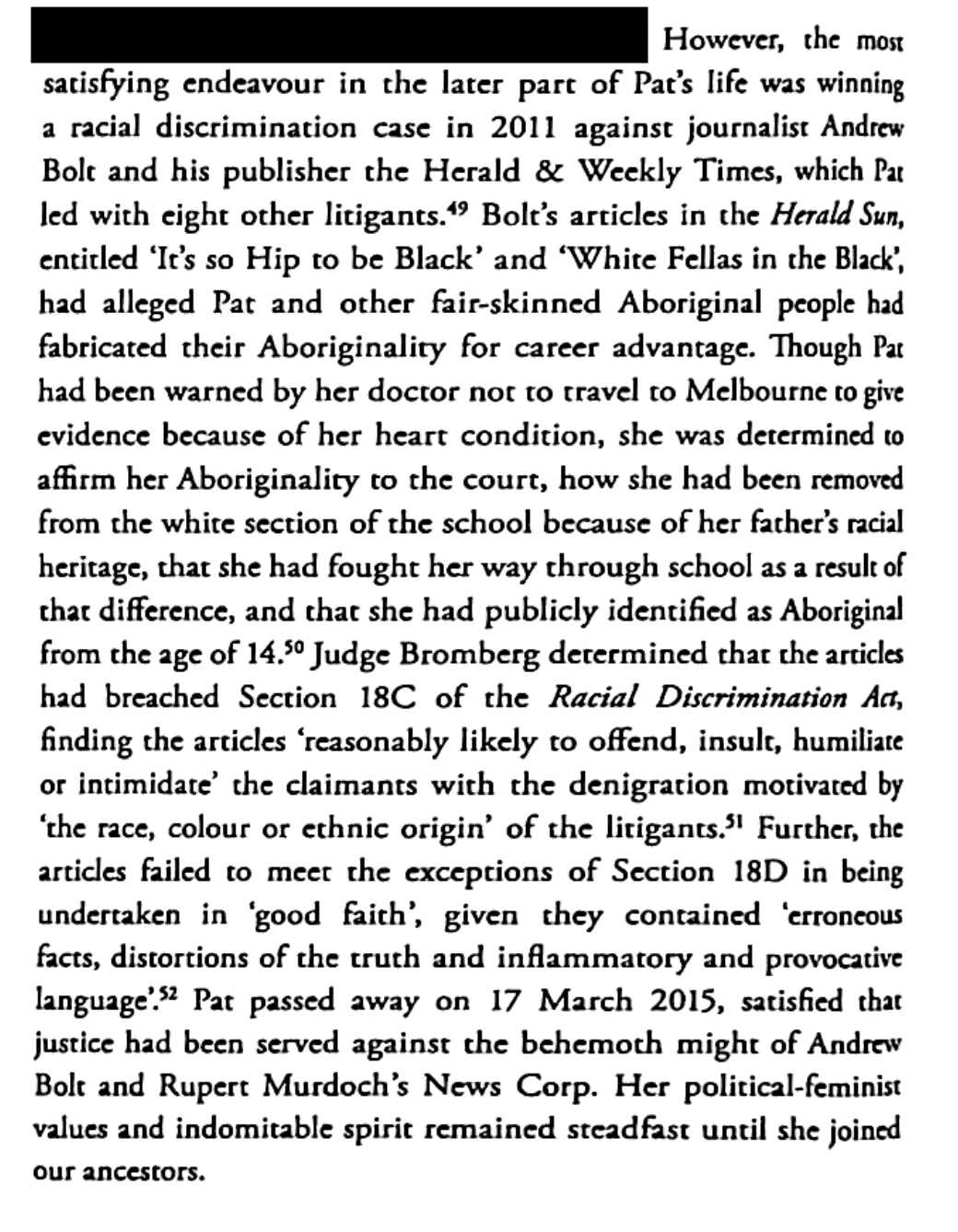
Figure 10 - Source: Arrow, M. , Women and Whitlam, 2023, p77
With hindsight, Professor Arrow’s final comment that, “justice had been served” against Bolt, now actually looks like a ‘perversion of justice’, given that Eatock turned out to be a ‘fake’ Aboriginal woman.
So imagine my surprise when I was encouraged by Professor Arrow to drop any reference to my research into the Eatock v Bolt 2011 trial that I had planned to present in a low-key paper to the AHA 2026 Conference at Macquarie University scheduled for the first week of July.
Professor Arrow was on the AHA Executive Committee tasked with organising this conference.
The conference co-ordinator, Leigh Boucher, accepted on 24 March 2026 my paper titled, Using Classical Historiographical Methodology in the Re-Appraisal of Two (In)Famous Court Cases, (Figure 11).
Dear Roger,
Many thanks for your submission for the AHA annual conference: Using Classical Historiographical Methodology in the Re-Appraisal of Two (In)Famous Court Cases.
We are pleased to inform you that your submission has been approved for inclusion in the conference program (stream: Indigenous Histories). We look forward to seeing you at Macquarie University, Sydney, 29 June - 3 July.
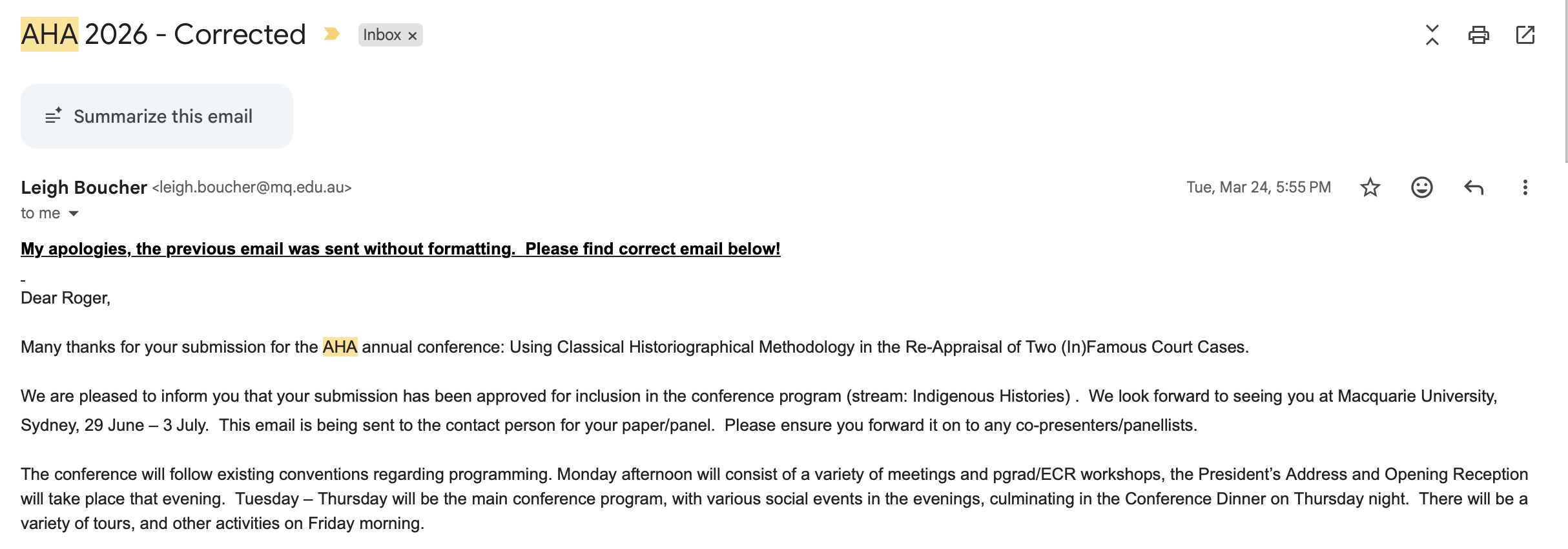
Figure 11 - Acceptance of my paper for the 2026 AHA Conference , 24 March 2026
I then received an email, a couple of months later, directly from Professor Arrow advising my paper had been transferred to another stream within the conference. And, rather strangely, she asked that I drop half my content by focusing on only one of the court cases - the Risdon Cove affair. In other words she advised me indirectly not to discuss the Eatock v Bolt court case (Figure 12).
Dear Roger,
Thank you for your abstract submission for the 2026 AHA conference. While your first abstract was initially accepted into the Indigenous History stream of the conference, after reading your revised abstract, we would like to instead move your paper to a session in the General History Stream, where it would form part of a panel titled "Re-appraising Indigenous Histories". Given this move, we hoped that you could focus your paper on the Risdon Cove case, as it would complement the other papers in the session very well.
There is another reason we are suggesting this change. As you probably know, all attendees at the AHA conference are required to be members of the AHA, and all attendees are expected to abide by the AHA's Conference Code of Conduct, which states that 'we do not tolerate harassment or other unacceptable behaviour, Harassment and unacceptable behaviour include offensive verbal comments related to gender, gender identity and expression, age, sexual orientation, disability, hysical appearance, body size, culture, ethnicity, or religion (or lack thereof) Presentations of determinations about someone's Indigenous identity, especially in such a recent court case, would fall outside the AHA's conference code of conduct.
You have been scheduled in the provisional programme (to be released tomorrow), but we would appreciate it if you could confirm your attendance and provide a revised title and abstract at your earliest convenience.
With best wishes
Michelle Arrow
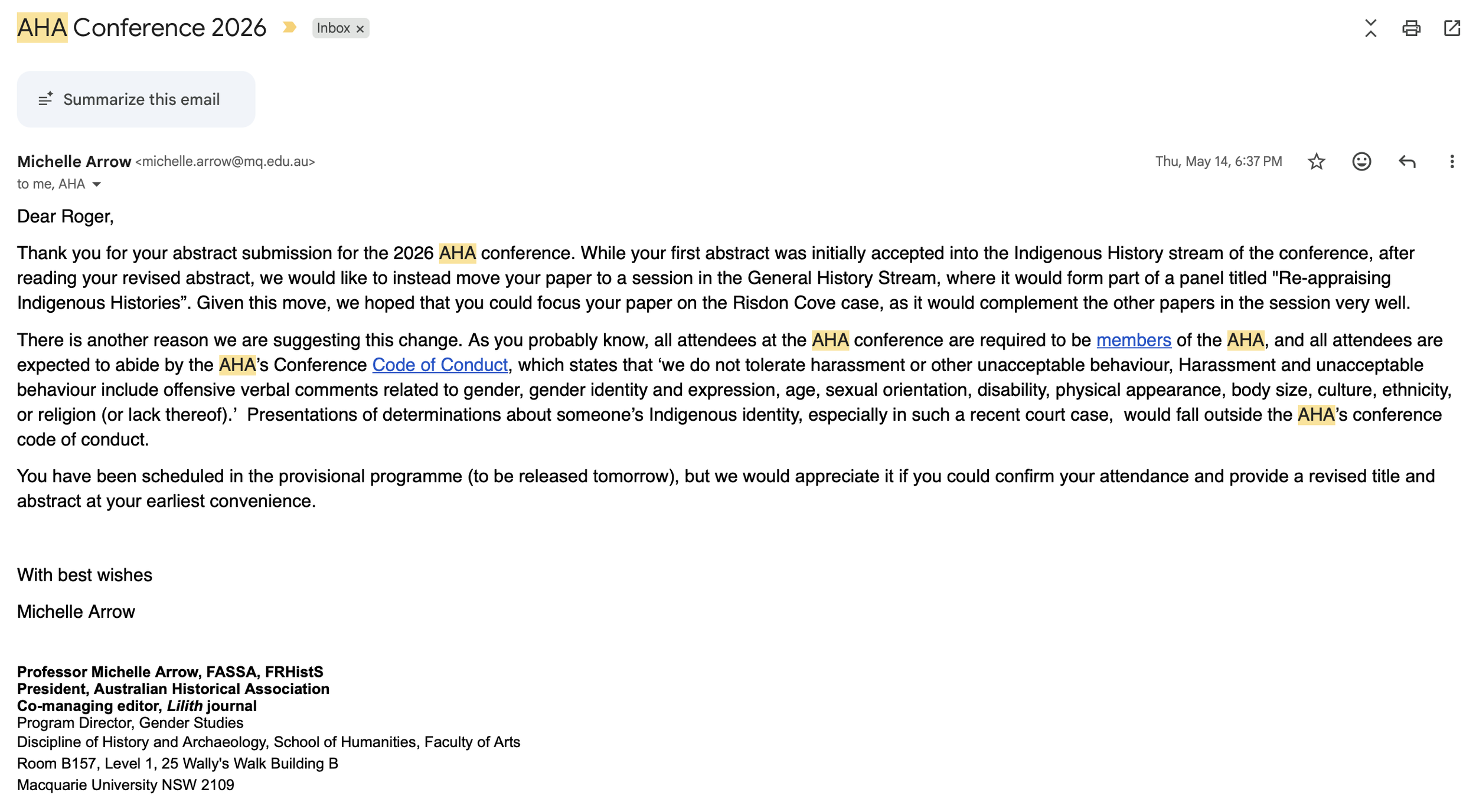
Figure 12 - Request by Professor Michelle Arrow to amend my AHA paper by removing (indirectly) reference to the Eatock v Bolt court case,, and thus the analysis of Pat Eatock’s claims to Aboriginality.
At the time I was a little surprised at this request to amend my paper. I was especially perplexed at Professor Arrow’s reference to “another reason we are suggesting this change” and the implication that my paper might contravene “the AHA's Conference Code of Conduct” covering “harassment or other unacceptable behaviour…and offensive verbal comments”.
Specifically the professor warned that “presentations of determinations about someone's Indigenous identity, especially in such a recent court case, would fall outside the AHA's conference code of conduct.”
This is a surprising statement given that the Eatock v Bolt court case was long settled, some fifteen years prior; it received wide publicity at the time and subsequently it has been subject to numerous academic analyses and much public and academic commentary.
At the time I did not know why Professor Arrow would specifically want me to drop any discussion about an (in)famous court case.
However, I had no intention of purposely harassing or offending anyone and, given I was keen to get my paper into the conference, I agreed to the professor’s requests (Figure 13):
Hi Michelle,
OK I understand, but please be assured I had no intention of creating an atmosphere that anyone could construe as being "harassment". All the points covered in my talk are based on information already on the public record and in published court transcripts.
Nevertheless I will drop the 'court' theme and truncate and rearrange the paper to remove discussion of the Eatock v Bolt 2011 court case. Instead, I will re-focus on the methodology I have used to "change minds" on the influence of the Risdon Cove massacre and the effects of slavery and ex-slaves on Australian Indigenous history.
See attached an updated (vs3) abstract. Yes I plan to attend to present the paper
regards, Roger
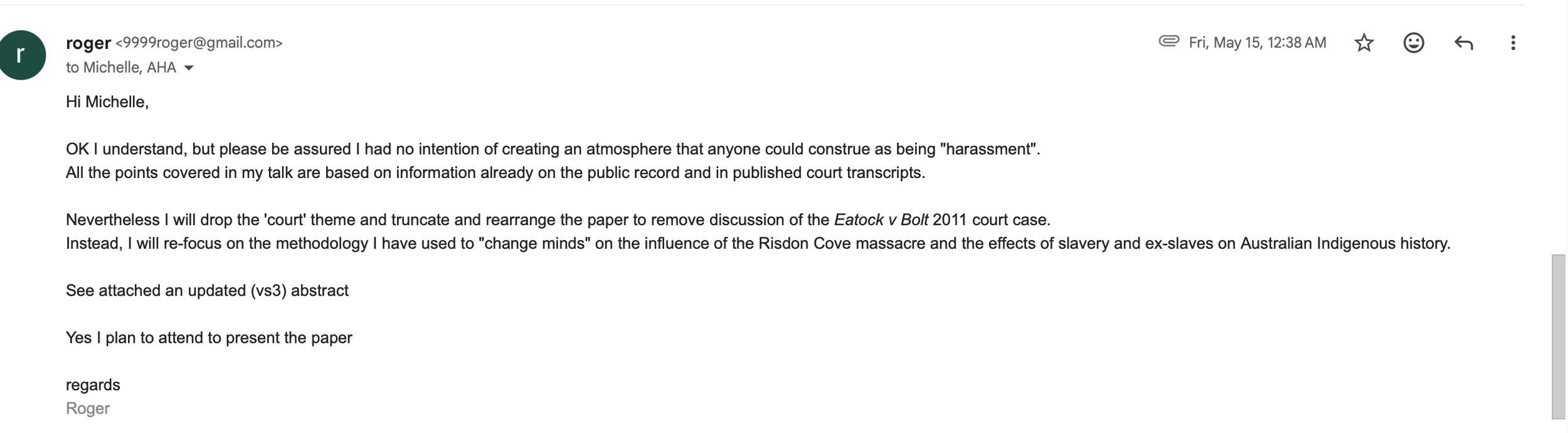
Figure 13 - My offer to modify my paper and remove any specific reference to the Eatock v Bolt court case.
My adherence to Professor Arrow’s request seemed to have been accepted by the professor (Figure 14) and I was formally included within the Conference program when it was published (Figure 15).
I was in ….. or so I thought.
Dear Roger,
thank you for your prompt response. We will make that change to the program and for sending your updated abstract.
with best wishes
Michelle
Fri, May 15, 10:33 AM
Professor Michelle Arrow, FASSA, FRists President, Australian Historical Association Co-managing editor, Lilith journal Program Director, Gender Studies Discipline of History and Archaeology, School of Humanities, Faculty of Arts Room B157, Level 1, 25 Wally's Walk Building B Macquarie University NSW 2109
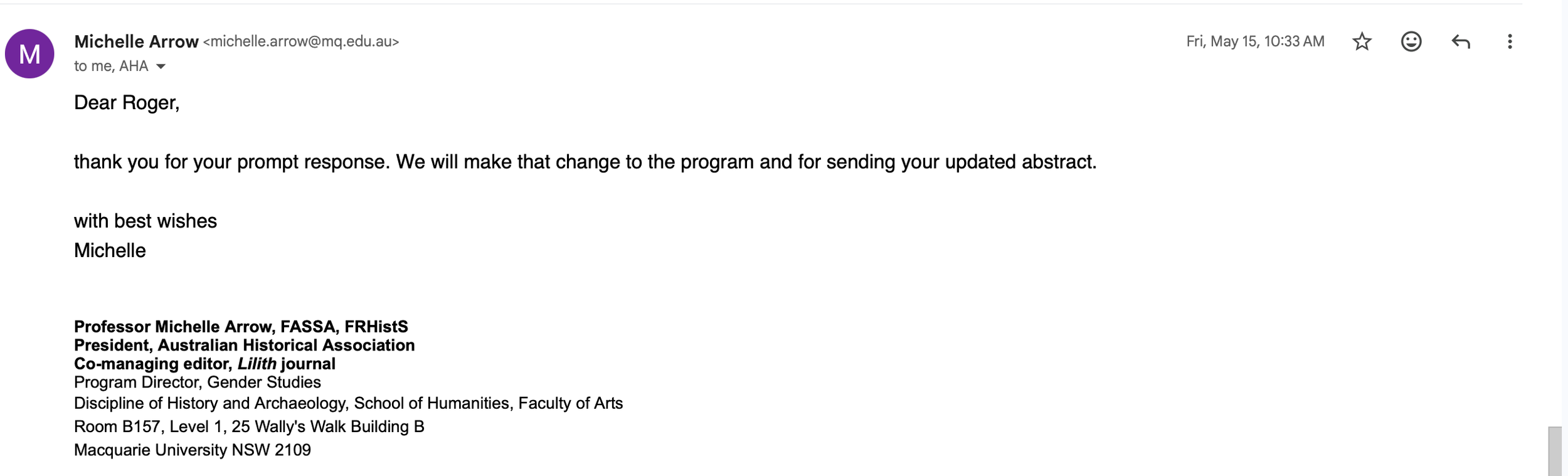
Figure 14 - Professor Arrow’s apparent acceptance of my amended paper.
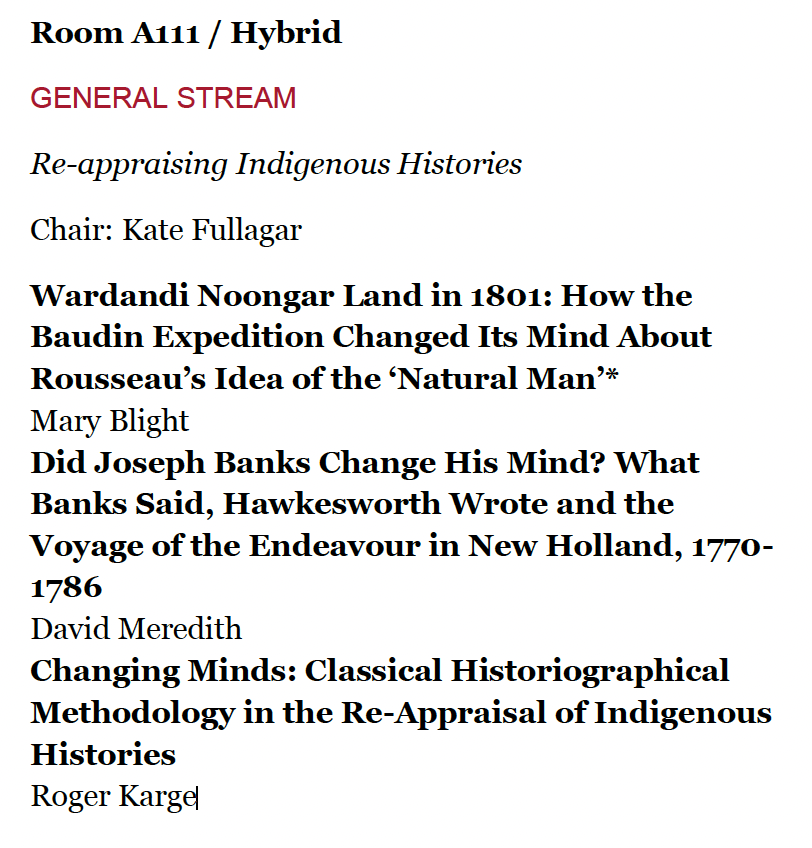
Figure 15 - Final Program as published showing the inclusion of my paper in a session chaired by the AHA Executive Chairman, historian Kate Fullagar
At 10.16pm on the Sunday night before the registrations for the conference were due to start, on Monday morning 29 June 2026, an email lobbed into my inbox informing me the AHA Executive committee, of which Professor Arrow was a member, had decided to suspend me from the Association for two weeks. (See Part 1 here)
I would thus not only be prevented from presenting my paper, but I was also banned from even attending the conference.
Was this in part to my “problematic” discovery that Pat Eatock was a fake and thus Professor Arrow herself seemed to have been duped by Pat?
Did Professor Arrow want to prevent this new research from being presented to other academics?
I don’t know and one can only speculate given that Professor Arrow has not contacted me directly since, nor provided any commentary on my suspension. Neither has she published her thoughts about the revelations that Pat Eatock was not really the Aborigine who she purported to be.
So much for free-speech in modern Australia.
Note 1 - A book about race-based literary hoaxes in Australia that is published by the HardiGrant who, you guessed it, also publishes “serious” books by self-claimed ‘Aboriginal’ author Bruce Pacoe: You just couldn’t make this ironic, life-imitating-art, s**t up !!
Posted 10 Nov 2026
by Roger Karge, Editor